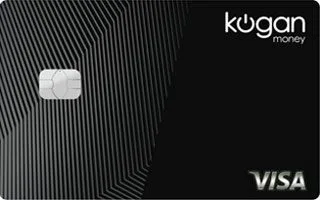
The Kogan Money Credit Card is the winner of this year's Finder No Annual Fee Credit Card Award. This card not only offers a genuine ongoing no annual fee, it also gives you rewards points on top.

Updated September 2026 by Finder's senior money editor, Richard Whitten.
There are a few business credit cards that don't charge an annual fee. At least in the first year. But almost all of them charge an annual fee in the second year, apart from the CommBank Business Low Rate Credit Card, which has a permanent $0 annual fee.
Most credit cards charge an annual fee. No annual fee credit cards don't. Given that annuals fees start from around $50 for low rate cards, and up to $450 or more for frequent flyer cards, you can save a bit with a 0 annual fee credit card.
Some cards charge $0 in the first year only. But right now, there are over 30 credit cards on the market that charge no annual fee, ever.

"A $0 annual fee credit card saves you money up front, but make sure you get the most from it. Always pay it off every month in full - once you're paying interest, the card isn't free. And look for other features as well - if you can earn frequent flyer points, you can save real money on travel just by using your card for everyday purchases."
Some no annual fee credit cards are basic cards for spending that don't offer many perks or extras. But some have balance transfer offers, reward points or complimentary extras.
| Feature | Example card | Current Offer | Annual Fee & Purchase Rate |
|---|---|---|---|
| Balance Transfer | Get a 0% p.a. interest rate for the first 26 months on balance transfers with a 3% balance transfer fee. |
| |
| Rewards | Offers the equivalent of 0.5 Flybuys points per $1 you spend on eligible purchases. |
| |
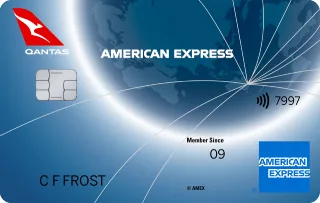
| Frequent Flyer | Earns 0.75 Qantas Points per $1 spent on everyday purchases, 0.5 point / $1 with government bodies in Australia and an additional 1.75 Qantas Point per $1 spent on selected Qantas products and services in Australia, uncapped. |
| |
| Travel | Offers 0% foreign transaction fees overseas and online with international merchants. Plus, complimentary overseas travel insurance. |
|
Ask yourself these questions to help compare your options:
To qualify for this category, credit cards must:
Every month, we carefully analyse over 250 credit card products and assess the most important features and benefits of each card.
We assign scores out of 10 for each feature, and adjust the scores depending on what category we're looking at.
Credit card scores are category-specific (e.g. No annual fee, Rewards), meaning the same card will receive a different score within each category.
Our Finder Score methodology is designed by our editorial and insights team. Products are reviewed objectively and commercial partners carry no weight. Remember that Finder Score is just one factor to consider. Look at other aspects like fees, features, benefits and risks to make sure a product is suitable for you.
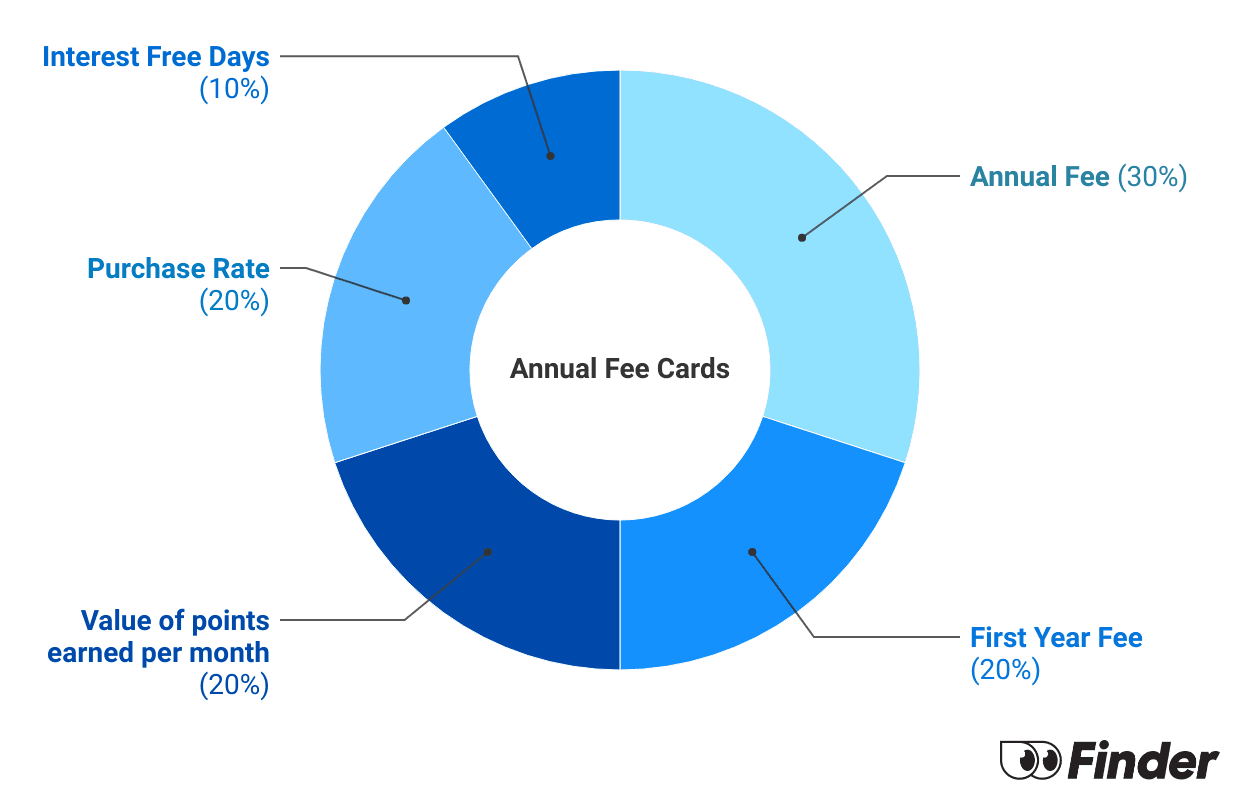
| Feature | Definition | Assessment | Weight |
|---|---|---|---|
| Annual Fee | Ongoing fees per year | Lower fees get higher scores, with $0 getting the highest score | 30% |
| First-Year Fee | Introductory fee for the first year | Lower fees get higher scores, with $0 getting the highest score | 20% |
| Interest-Free Days | The number of interest-free days | Higher number of interest-free days score more points, up to 55 days | 10% |
| Value of points earned per month | Points earned for every dollar spent on eligible purchases | Points awarded per dollar | 20% |
| Purchase Rate | Interest rate on new purchases | Lower rates receive higher scores | 20% |
While the Finder Scores gives you a real-time ranking of the top credit cards in a category, the Finder Awards recognises the year's consistently high-performing cards. The Finder Credit Card Awards recognises Australia's top credit cards, with expert analysis of rates, fees and offers based on 12 months' worth of data.
The Kogan Money Credit Card is the winner of this year's Finder No Annual Fee Credit Card Award. This card not only offers a genuine ongoing no annual fee, it also gives you rewards points on top.
The Kogan Money Credit Card is the winner of this year's Finder No Annual Fee Credit Card Award. This card not only offers a genuine ongoing no annual fee, it also gives you rewards points on top.
 Highly commended
Heritage Bank's Gold Low Rate Credit Card finished highly commended in the No Annual Fee Credit Card category thanks to its low rate and lack of annual fee.
Heritage Bank's Gold Low Rate Credit Card finished highly commended in the No Annual Fee Credit Card category thanks to its low rate and lack of annual fee.
The Coastline Visa Credit Card secured a highly commended place with no annual fee and a low rate.
The Coastline Visa Credit Card secured a highly commended place with no annual fee and a low rate.
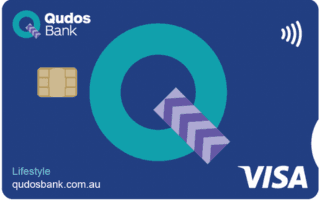
Qudos Bank's Lifestyle Credit Card ranked highly commended in the No Annual Fee Credit Card category this year with its ongoing $0 annual fee and low rates.
Qudos Bank's Lifestyle Credit Card ranked highly commended in the No Annual Fee Credit Card category this year with its ongoing $0 annual fee and low rates.
 Obsessed with offers - You want all the perks and none of the fees, and we want that for you too. So we're tracking all the current no-fee cards, in one handy guide.
 Save yourself some time. Why waste 100s of hours researching no-fee credit cards, when we've done the hard yards for you? Simply sit back, sort the options and get the card that suits your needs
 No BS. We'll explain how all the credit card fees work and how you can avoid interest – and we'll always explain it all in plain English.
Make the most of credit cards offering $0 annual fee in the first year and learn about other ways to save on this yearly cost with this guide to annual fees.
Share your credit card with a partner or family member but watch for extra costs. Compare cards and learn more about credit cards that offer free additional cardholders.
Compare no annual fee rewards credit cards and earn points on all eligible purchases without paying a yearly fee.

is it ok to
have a post office box
for mail c0s that is all
I have
Hi Tim,
Thanks for your question.
In most cases you need an Australian residential address. I’d recommend that you get in touch with a few credit card issuers to see if they’ll accept your application if you only have a PO box.
Cheers,
Shirley
Can I search for, or can you give a link to joint card providers (for me and my wife)
Hi David,
Thanks for your question.
Please see this page for joint credit card issuers.
Cheers,
Shirley
Pls explain this
“You will soon enjoy the benefits of up to 55 days interest free, saving $30.00 in your first year with your annual fee being waived, whilst enjoying the great convenience of your credit card being accepted at over 32 million locations worldwide.””
It is correct if i will pay annual fee $30.00 year after when using card 55day visa card Westpac now
This 55day card not free annual fee?????
It s only for first year..,,, free????
Hi Danny,
Thanks for your question.
For the Westpac 55 Day credit card, there is a $0 annual fee for the life of the card when you apply between 1 April 2014 – 22 June 2014, and you’ll get up to 55 days interest free on purchases when you pay the closing balance in full by the due date shown on your statement.
Cheers,
Shirley
What credit card would be best for someone with bad credit
Hi Alana,
Thanks for your comment.
Credit cards are generally designed for people who have good credit. You may refer to our guide on bad credit rating credit cards for more information.
You may also want to have a look at some low-rate credit cards but remember to check the eligibility criteria before you apply.
Cheers,
Shirley
Hi I was just wondering if you could help with my question about nonprofit organisations, how do we go about creating a business account for not-for-profit? Will the account be based approved based on the business plan or based on credit history? Are overdrafted debit cards and credit cards available?
Hi, Ashley.
Thanks for your question.
If you’re looking to set up a credit account for a not-for-profit organisation, you will need to register your organisation with the bank and open an everyday transaction account for your organisation first. You will need to provide ASIC registration forms and your ABN to the people in-branch first. Once you’ve opened this account, the bank can look at providing you credit. Acceptance will depend on the size of the credit limit, the number of signatories on the account, whether you and your employers are working outside the NFP organisation and how many people are going to co-sign on the account.
I hope this helps.