What to do after a car accident
The 6 main steps to follow if you’ve been in a car accident, including how to get in touch with your car insurer.

Knowing what to do after a car accident can be overwhelming, but follow these 6 simple steps and it'll be a lot easier for you and anyone else involved.
A car accident can be a real shock to the system, but being as calm as possible will only help you. First things first, you'll need to stop safely. Then ask yourself the following questions:
The next step is to exchange details with other drivers involved in the accident. Details you should exchange include:
Ideally, you’ll have a notepad and pen in your glovebox for this purpose. You could also take notes on your phone. Some insurers also now have mobile apps to help with the accident-recording process.
If you have your mobile phone, take photos of the accident scene. As well as the scene itself, these pictures should include the damage to your car, damage to other vehicles and any third-party property damage.
If possible, call your insurance company from the accident scene. They will be able to talk you through the process and advise you of your next steps. You will usually be advised to not admit liability to anyone.
This is because you may be in a state of shock or may not be fully aware of the circumstances of the accident. It is not up to you or anyone else at the scene to determine if an accident's your fault. This should be left to the police and car insurance companies to decide at a later date.
Even if no one is hurt or the damage is only minor, you should still report an accident to your insurer. This is in case the other party involved decides to make a claim against you, or you develop an injury or discover further damage to your vehicle at a later date.
If your vehicle is damaged, you will need to determine whether it is roadworthy before driving it away from the scene of the accident. Damage may be obvious in the form of a flat tyre or punctured radiator, but other damage may be harder to determine, such as steering or brake problems. Check your vehicle over thoroughly before driving it. If there is any doubt about its roadworthiness, do not drive it away from the scene.
If your vehicle is not driveable, tow trucks attending the accident may try to convince you to let them take your vehicle to a panel shop they are affiliated with. Do not let yourself be talked into anything you don’t understand or trust. Under no circumstances should you sign a contract, as it may be committing you to having your vehicle repaired at a particular panel shop.
Ask your insurer what you should do. You will generally be directed to an approved panel shop, which the tow truck should take your vehicle to.
If your vehicle requires towing from an accident where the police were not called to attend, you must report the accident to the Police Assistance Line on 131 444 within 24 hours of leaving the crash site. Failing to do so could lead to you being fined, getting demerit points or worse.
The final step after an accident is to make a claim with your insurance company. If your vehicle was towed to a panel beater approved by your insurer, repairs will usually be authorised fairly quickly.
On the other hand, if your vehicle is driveable after the accident and only needs minor repairs, your insurer may require you to obtain at least two quotes (sometimes three) from different panel shops, from which they will choose the lowest quote.
Whether you choose to make a claim at all will depend on the cost of repairs compared to any excess you must pay (the amount you must contribute to a claim) and the effect a claim would have on your no-claim bonus. Many people choose not to make a claim on repairs under $1,000 for these reasons.
The main things to ensure after an accident include making sure: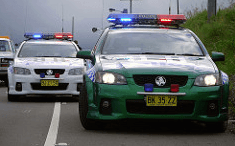
| Response | |
|---|---|
| No - I have never had to make a claim | 55.27% |
| No - I had to make a claim but didn't use dashcam footage | 34.99% |
| Yes | 5.17% |
| I don't own a car | 4.57% |
We currently don't have that product, but here are others to consider:
How we picked theseWe analyse over 30 car insurance products across insurance providers, and rate each one for price and features. We collect up to 36 quotes per product, for male and female drivers in New South Wales, Victoria, Queensland, South Australia, Tasmania and Western Australia. Quotes are collected for 20 year olds, 30 year olds and 60 year olds, assuming an excess of $850 for a 2020 Toyota Corolla 4 door sedan model, with an average 15,000 kms driven each year. While we are not allowed to display actual quotes, our Finder Score aims to serve as an indicative guide to how cost and feature competitive a product might be for you.
Our feature score assesses each product for more than 15 features across loss and damage coverage, repairs and assistance coverage, personal items coverage and policy coverage. Features we assess include but are not limited to legal liability, essential repairs, new car replacement, car hire events, roadside assistance, agreed or market value, windscreen damage and natural disaster coverage.
Explore comprehensive cover designed for Tesla drivers. We cover the pros, cons and other details you need to know about InsureMyTesla.
Teslas are more expensive to insure than traditional cars but there's ways to cut costs.
Learn the factors that may cause you to be considered a high-risk driver and whether you might be eligible for cover.
The media always talks about how cheap electric cars are to run, but will you save money when insuring one?
A quick summary of NRMA Roadside Assistance.
Find out what car insurance options are available for rideshare drivers, including Ubers.
Discover the steps to get affordable car insurance if you are under 25.
This article runs through the ins and outs of choosing a good third party property damage car insurance policy.
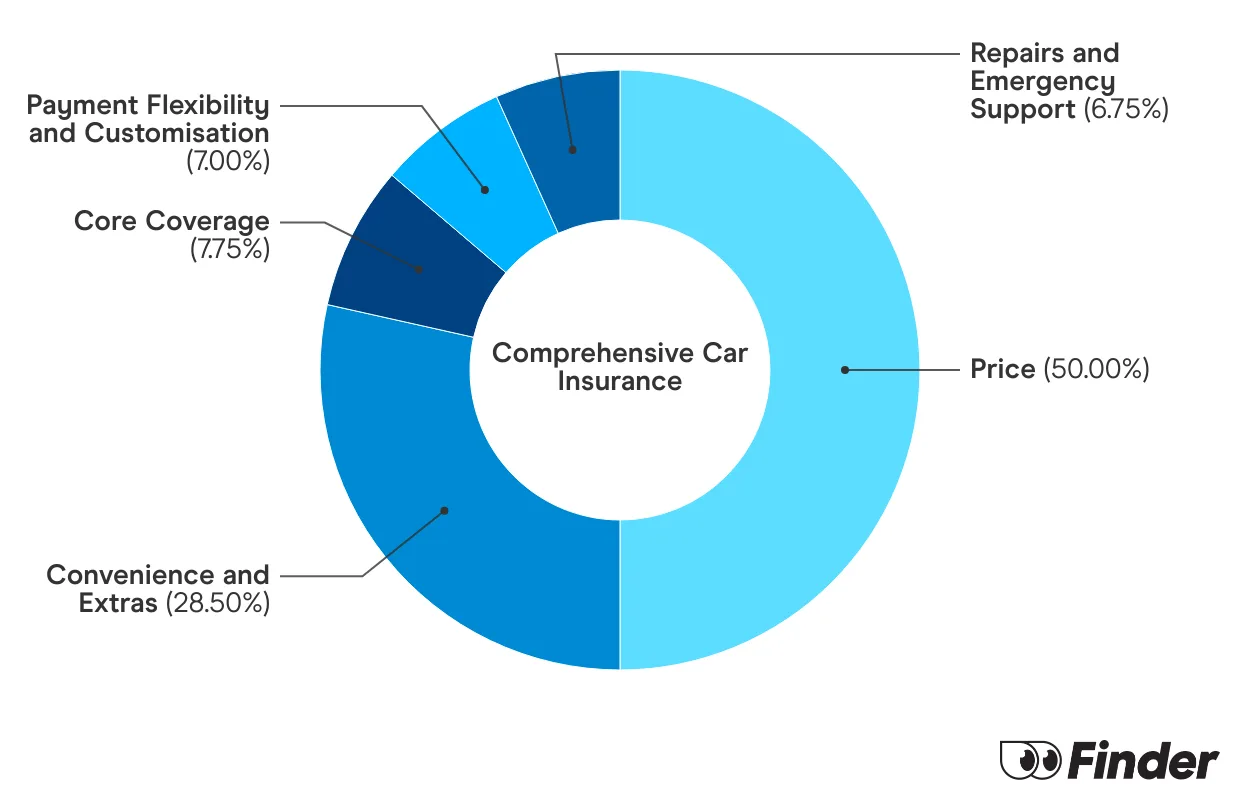
Explore our analysis and see how you can find the best car insurance for your needs.
Compare cover from a range of car insurance providers and find out some of the things you will be covered for under a comprehensive policy.

I was sold a new car from the dealership, with apparent insurance coverage, roadside assist, and warranty for the next 7 years. I have contacted them endlessly in order to get information as to what coverage and what insurance, and they have not ever responded. How do I report a vehicle for hitting mine?
Hi Laura,
Thank you for getting in touch with Finder.
Were you able to get the other driver’s details? If not, to help ensure the success of your claim, you’ll need to gather as much evidence as you can. There are several steps you can take to try to track them down, including:
Please contact the business to explain the problem and the outcome you want. In many cases a simple phone call or visit can fix the problem. It is a good idea to write a complaint letter — that way, the seller is clearly aware of the problem and what you want, and you also have a record of your contact.
If you are still having difficulty resolving a problem, you may want to seek assistance. The best place for where to go for consumer help will depend on your circumstances.
I hope this helps.
Have a great day!
Cheers,
Jeni