Health insurance for sleep apnoea
You can find some benefits for sleep apnoea starting in bronze hospital policies, sometimes referred to as "sleep studies".


Sleep apnoea is a disorder that occurs when a person's breathing is repeatedly interrupted during sleep. It can be a serious affliction as it restricts the body of its regular oxygen levels, and can impact long-term health in some cases. According to Rosedale Medical Practice, approximately 2.5 million Australians have been diagnosed.
An 'apnoea' is the time when your breathing stops, and it can last anything from 10-90 seconds. While it is often hard to distinguish sleep apnoea from other sleeping problems, there are a few recognisable symptoms that you will feel consistently:
If you suspect you may have sleep apnoea, it's important to speak with your GP. They may refer you to a sleep physician for a test, known as a sleep study. This can confirm if you have sleep apnoea, or another sleep problem such as insomnia or narcolepsy.
80% of sleep apnoea cases go undiagnosed. If you've noticed any of the above symptoms or would say you're a "bad sleeper," it may be worth booking an appointment with your GP.
Before you can receive a Medicare rebate for a sleep study test, your doctor will need to make sure you are eligible by asking a series of approved screening questions. This is in order to make sure you definitely have a sleep disorder and are not being misdiagnosed.
Medicare may also cover Continuous Positive Airway Pressure (CPAP) therapy if you've been diagnosed with sleep apnoea. Your doctor will determine if you are eligible for CPAP based on how effective they feel the therapy may be in your situation.
Although Medicare will cover some of the costs, you'll still have out-of-pocket expenses. These can add up each time you receive care.
Treatment options vary depending on your insurer, but generally private health cover can help with the following:
Some policies may cover a home sleep test. According to SleepFoundation.org, the accuracy of home sleep tests for apnoea can range from 68% to 91%.
It's also worth remembering you should always get the Medicare Benefits Schedule (MBS) number from your doctor. This lets you know exactly what you'll pay, so you are able to budget well in advance of treatment.
We crunched through the policies and here are some policies from Finder partners that offer a benefit for sleep apnoea or sleep studies. To compare even more funds, use the free tool below the table. All prices are based on a single individual with less than $105,000 income and living in Sydney.
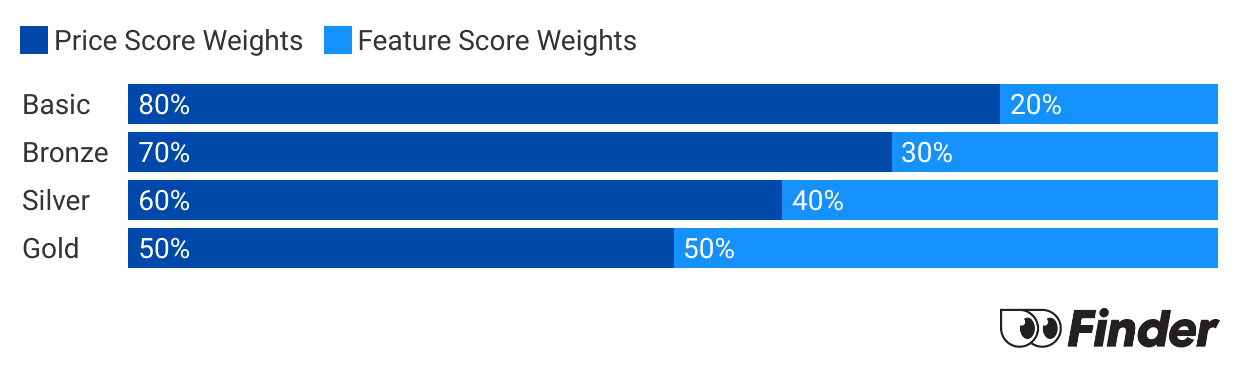
Each month we analyse our hospital insurance products and rate each one on price and features. What we end up with is a nice round number out of 10 that helps you compare hospital cover a bit faster.
Before we start scoring, we need to make sure we're comparing like-for-like. Just as it doesn't make sense to compare a bicycle with a Ferrari, it doesn't make sense to compare basic hospital policies to top-tier Gold policies. Each policy is given a price score and feature score. These are then combined to determine each policies's Finder Score.
Doing a medical costs comparison could save you a lot of money. Here's how to reduce your out-of-pocket medical expenses.
Think you may need hernia surgery? See what's involved.
If you need knee surgery in Australia, see how private and public works and explore your options.
Think you may need hip surgery in the future? Compare your options for public and private treatment.
Will private health insurance provide cover when you need to travel far from home and stay overnight to access medical treatment? Find out here.
Find out if being treated as an inpatient or an outpatient will affect your private health insurance cover.
Palliative care is the practice of easing the pain of a patient with a terminal illness and making them as comfortable as possible before death.
Find the answers to the most common questions about health cover excesses in this helpful guide.
Learn the pros and cons of private vs public health in this handy guide to the differences between public and private health insurance.