Health insurance for physiotherapy
Need ongoing physio appointments? Extras cover can support your wellness journey.


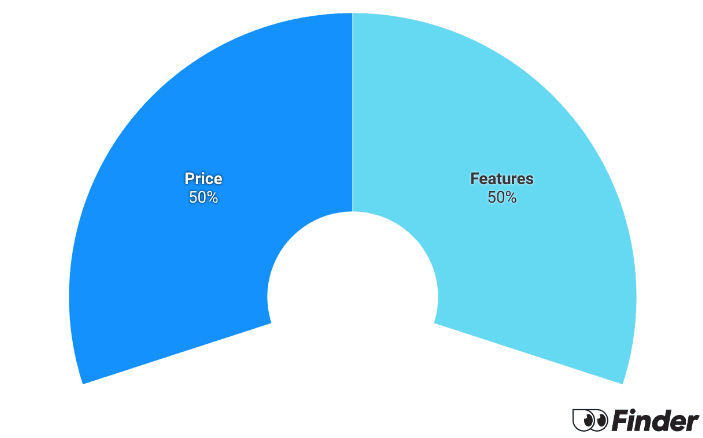
Each month we analyse over 10,000 extras insurance products and rate each one on price and features. What we end up with is a nice round number out of 10 that helps you compare extras cover a bit faster.
We want to compare apples to apples, not apples to apple pie. It doesn't make sense to compare a top extras policy with coverage for hearing aids and braces against a policy designed only for dental. So we've separated all the extras policies on the market into pools and categories. Once in their pools and categories, each product gets a price score and a features score, which are then combined to give the Final Score.
Approximately 7.3 million Australians are currently living with a chronic musculoskeletal condition, ranging from back issues to osteoarthritis and gout. For many, physiotherapy helps manage these conditions.
Extras policies often list physiotherapy as a standard inclusion, with the most basic plans starting from around $3 a day.
So, if you're considering or have been recommended physiotherapy to help you with a health condition, our guide can help you determine whether locking in sessions through your private health insurance is the right move.
When searching for the best health insurance for physiotherapy, the primary differentiator between a standard plan and a premium one is often the session limit. While many entry-level extras plans provide a modest annual dollar limit, top-tier providers distinguish themselves by offering specific session-based coverage. This structure provides more certainty for patients requiring long-term rehabilitation or management of chronic sports injuries.
Physiotherapists will typically charge you per appointment, depending on the appointment type. Some treatments will require only a single appointment, but you'll generally need to visit a physio on multiple occasions for most issues. The table below lists some common appointment types and typical costs from Australian physios.
| Appointment type | Typical cost |
|---|---|
| Initial consultation | $50-$200 |
| Standard appointment | $120-$235 |
In addition to standard consultations, many patients require outpatient rehabilitation after surgery or major accidents. These costs can accumulate quickly, particularly when specialised equipment or multiple weekly sessions are necessary. Understanding the specific session limits of your policy is crucial for these intensive recovery periods.
Every health fund will have its own way of rebating customers who claim back their physiotherapy treatments, either as a fixed payment amount or a percentage of the service. For content, we took a look at 5 major health funds in Australia to explore what kind of benefits you could receive:
| Fund | Product | Benefit type | Benefit paid |
|---|---|---|---|
| Medibank | Healthy Start Extras | Percentage Fixed benefit | 60% $500 |
| Bupa | Freedom 50 Extras | Fixed benefit | $500 |
| HCF | Starter Extras | Fixed benefit | $150 |
| nib | Value Extras | Fixed benefit | $200 |
| HBF | Basic Extras | Fixed benefit | $250 |
Your annual limit is the maximum amount your health fund will pay toward a particular service (or group of services) within a calendar year or policy year. Once you reach that limit, you'll need to cover the full cost of any additional treatments yourself until your limits reset.
Annual limits can apply in different ways. Some funds set a combined limit, meaning multiple services (like physiotherapy, chiropractic and osteopathy) share one total yearly allowance. Others use separate limits, where each service has its own individual cap. It's important to check which structure applies to your policy, as a combined limit can be used up faster if you access multiple therapies.
Your per-session benefit (whether it's a set dollar amount or a percentage of the bill) works together with your annual limit. For example, you might receive 70% back per session, but once you hit your $600 annual limit for physiotherapy, no further benefits will be paid that year, even if you haven't reached your number of visits.
Understanding how your annual limits operate helps you estimate your real out-of-pocket costs and avoid surprises. Before starting regular treatment, it's worth checking both your per-session benefit and your remaining annual balance so you can plan with confidence.
Every health insurer will have its own network of health providers they partner with that are available for customers to choose from. Preferred provider networks can make a meaningful difference to your out-of-pocket costs, particularly if your extras policy pays higher benefits when you see a provider within your fund's network.
For instance, many major Australian insurers, including Medibank, Bupa, HCF, nib and Australian Unity, structure their extras benefits so members receive a higher percentage rebate at preferred providers and a lower fixed dollar benefit at non-network providers.
These networks can also provide more predictable costs. In some cases, clinics agree to charge within set fee schedules, which can reduce or even eliminate your gap. Percentage-based benefits within networks also offer better protection against fee increases, because your rebate rises in line with the provider's fee. By contrast, fixed dollar benefits stay the same even if prices increase, which means your out-of-pocket costs gradually grow over time.
Depending on the health fund and extras policy you choose, your benefit amount for physio services may be calculated in the following ways.
It is also worth remembering that an annual limit will apply to the maximum rebate you are able to claim per person. Luckily, your extras benefits reset each year.
Health funds cover physio on extras policies, although the benefit amounts provided will depend on the level of cover you choose. For example, a basic extras policy may only provide limited benefits or even exclude physio altogether. However, if included an extras policy will generally cover the physio-related services listed below.
Be aware that there are certain physio-related items that are not commonly covered by private health funds. These can include foam rollers, trigger balls and sports tape. Also keep in mind that services and items that can be claimed may differ between health funds and individual extras cover, so make sure to compare the features of each policy closely before making a purchase.
For most out-of-hospital physiotherapy, Medicare does not provide cover, so you'll need to cover the cost either out-of-pocket or with private health insurance. However, there are 2 situations where Medicare can provide benefits for physio-related treatment - during public hospital admittance, and for chronic disease management:
Get discounts on your chiropractic treatment with private extras cover.
Remedial massage can help ease pain from general wear and tear as well as specific injuries. This treatment isn’t covered by Medicare but is included in private health insurance extras cover. Find out how private health insurance can cover you for remedial massage therapy.
How can you make a claim for prescription medication on your private health insurance policy? Find out in this comprehensive guide.
What do the annual benefit limits on your health insurance extras cover actually mean? Find out here.
Some health funds offer no-gap optical schemes and this guide looks at what these cover and which health funds are providing them to their members.
Optical health cover can ensure you get the care you need to protect your eye health. Compare health insurance policies with optical cover.
If you're wondering what pharmaceutical costs are covered by private health insurance, we've got a guide to health cover for non-PBS pharmaceuticals here.
finder.com.au explains how the private and public health system in Australia handles optical procedures and services.
A guide to extras benefits for hearing aids.
Discover more about accessing naturopathy, herbal remedies, traditional Chinese medicine and other alternatives with coverage through your health insurance.