Does home insurance cover foundation repairs?
Home insurance can cover foundation repairs, but only if the cause of damage is a specific insured event like storm or flood.


Home insurance can help you pay for significant costs that can come with any foundation repairs that need to be made to your property. However, most policies will only cover you if the damage is caused by specific events like fire, lightning, and floods.
Foundation repairs can include things like crack filling, wall bracing, or preventing your house from sinking. However, with home insurance covering a wide range of events, it can be hard to know if your specific foundation repairs are included.
We’ve broken things down into the most common situations where home insurance will cover your foundation repairs.
If your home insurance covers whatever caused the foundation damage, then it'll pay out for the foundation repairs too. Your product disclosure statement (PDS) will tell you everything your policy covers. Common inclusions are:
If your home insurance doesn't cover the event which caused the foundation damage, then it won't pay out for the repairs. What's covered by your policy will vary between different insurers – but some common exclusions are:
We currently don't have that product, but here are others to consider:
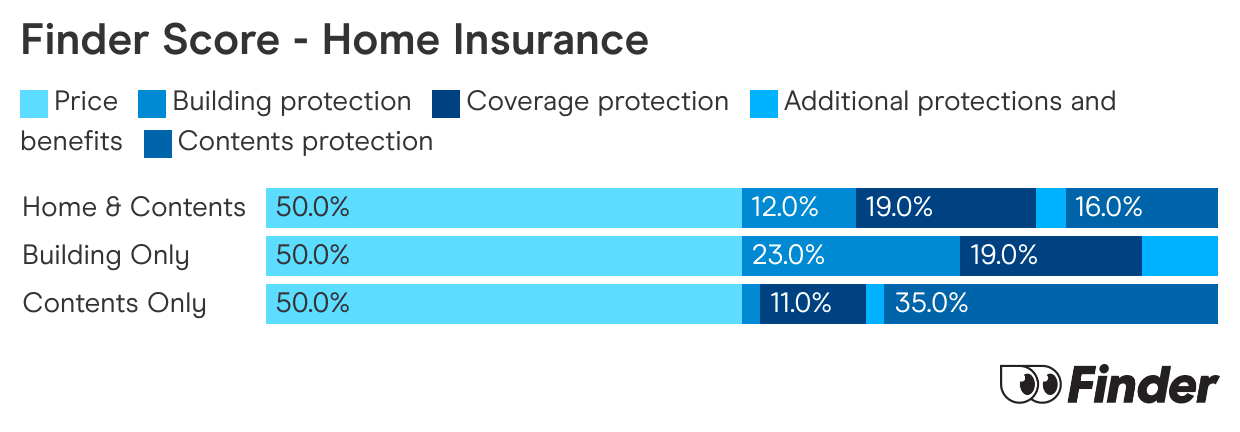
How we picked theseWe crunch eligible home insurance products in Australia to see how they stack up. We rank over 50 products on 16 different features, including price. We end up with a single score out of 10 that helps you compare home insurance a bit faster. We assess home and contents, building only and contents only products individually.
Unfortunately, the typical answer is no. Underpinning can strengthen and stabilise an existing foundation, which can be particularly helpful if a property lies on weakened soil. But, because it is a preventative measure it generally won’t be covered by most home and content policies.
From our research of Australian providers we haven’t found any that cover underpinning. However, it’s always a good idea to consult with your provider and check the Product Disclosure Statement (PDS).
Soil shifts caused by floods may be covered by your home insurance, but it’s not always straightforward. Cover largely depends on whether the flood is seen as the immediate cause of soil movement.
Soil shifts can happen for a number of reasons like earthquakes, subsidence, or erosion.
If you can show that a flood directly led to events like landslides or erosion and your policy includes flood cover, you might be able to file a claim.
However, if the flood subtly altered the soil’s condition and it shifted later, your claim might be denied, even with flood cover. Insurers often have different definitions for covered events, which can make it tricky to determine what’s included. As in most cases, it’s important to carefully review a policy’s PDS or contact your insurer to clarify the specifics of your coverage.
More often than not, if foundation damage happens to your property and the cause of damage isn’t covered by your insurance, you’ll have to pay for the repairs yourself. This can include any specialists or engineers to assess the damage and recommend repairs, so it can be a costly expense.
But before you decide to start the process, it can be helpful to reach out to a foundation specialist for a second opinion if your claim gets denied. For instance, if your insurer suggests that flooding was an indirect factor in causing the damage, a specialist might be able to clarify that it was, in fact, the direct cause.
Find and compare Australian home insurance providers with Finder today.
A home insurance calculator can give you a rough estimate on the value of your home and contents. But is that what you really want? Find out how to not underinsure or overinsure your home.
Discover what impacts the cost of home insurance and how to get the right protection with this handy guide.
Compare home insurance providers in Queensland. Protect your home from cyclones, floods, fire and more.
Coles Home Insurance is convenient and generous with its rewards. Just don’t forget to read the fine print.
Here's a detailed review of Bendigo Bank home insurance with information on 3 cover options.
Youi home insurance is slightly more expensive than the national average, but has a good range of benefits
Allianz's Home & Contents insurance includes higher benefit limits than some other popular providers, but it can be lacking in optional extras.
Follow these steps to find affordable home insurance that won't leave you stranded.
What you need to know about finding the best home insurance for you. Compare policies and learn what questions to ask when researching insurance policies.
Compare home and contents insurance - our research shows you can save up to $1,653 by switching.