Electric Vehicle Comparison Australia

Here's a cross-section of the EVs Australians are actually buying in 2026, from the cheapest city runabout to a full-size family hauler. Range figures are the manufacturer's WLTP claim (more on what that means below), and prices are for the lowest variant, so you'll pay more for bigger batteries and all-wheel drive.
| Model | Body type | Range (WLTP) | Price from (driveaway) | Best for |
|---|---|---|---|---|
| BYD Atto 1 | Micro hatch | ~300–420km | $27,100* | The cheapest way into an EV |
| BYD Dolphin | Small hatch | ~340–427km | $33,300* | The safe, well-rounded city pick |
| MG4 Urban | Small hatch | ~316–405km | $31,990 | Petrol-rivalling price |
| GWM Ora | Small hatch | ~400km | $33,990 | Style on a budget |
| BYD Atto 3 | Small SUV | ~420km | $43,600 | First-time family EV |
| Hyundai Inster | Micro SUV | ~327–360km | $38,990 | A legacy-brand small EV |
| Geely EX5 | Mid SUV | ~430km | $45,600 | Value mid-size SUV |
| BYD Sealion 7 | Mid SUV | ~456–482km | $59,300 | A sharp Model Y rival |
| Kia EV5 | Mid SUV | ~400–555km | $49,990 | Family space and long range |
| Tesla Model Y | Mid SUV | ~466–600km | $64,180 | The all-rounder benchmark |
| Tesla Model 3 | Sedan | ~520km | $59,980 | Drivers who want a car, not an SUV |
| Kia EV9 | Large SUV | ~512km | $106,600 | Seven seats, premium feel |
Figures are indicative starting prices for the entry variant, checked at the time of writing. EV prices change often and drive-away totals shift by state, so always confirm with the manufacturer before you buy.
Spec sheets throw a lot of numbers at you. Most of them don't change your day-to-day. These five do.
Range is how far the car goes on a full charge. The headline number is almost always a WLTP figure, short for the Worldwide Harmonised Light Vehicle Test Procedure.
It's a standardised lab test that lets you compare cars fairly. The catch: real-world range is usually 10–20% lower, more in winter or at highway speed.
A good rule of thumb is to treat WLTP as a best case and knock off a fifth. For most Australians, even a "small" 350km EV covers a week of city driving on a single charge.
Two numbers, two very different situations.
If you mostly charge at home, fast-charging speed barely matters. If you can't charge at home, it matters a lot.
Measured in kilowatt-hours (kWh), this is the "fuel tank".
Bigger battery, more range, but also more weight, more cost and a longer charge. Don't over-buy: a 50kWh battery that comfortably covers your commute is cheaper to buy and to charge than an 80kWh one you'll rarely empty.
This is where EVs quietly win back their price premium, and it's covered in full below. The short version: charging at home costs a fraction of a tank of petrol, and there's far less to service.
The headline price and the price you actually pay are rarely the same. "Before on-road costs" leaves out registration, stamp duty and dealer delivery. Always compare on drive-away totals, and factor in any state concessions and current offers, which can swing the maths by thousands.
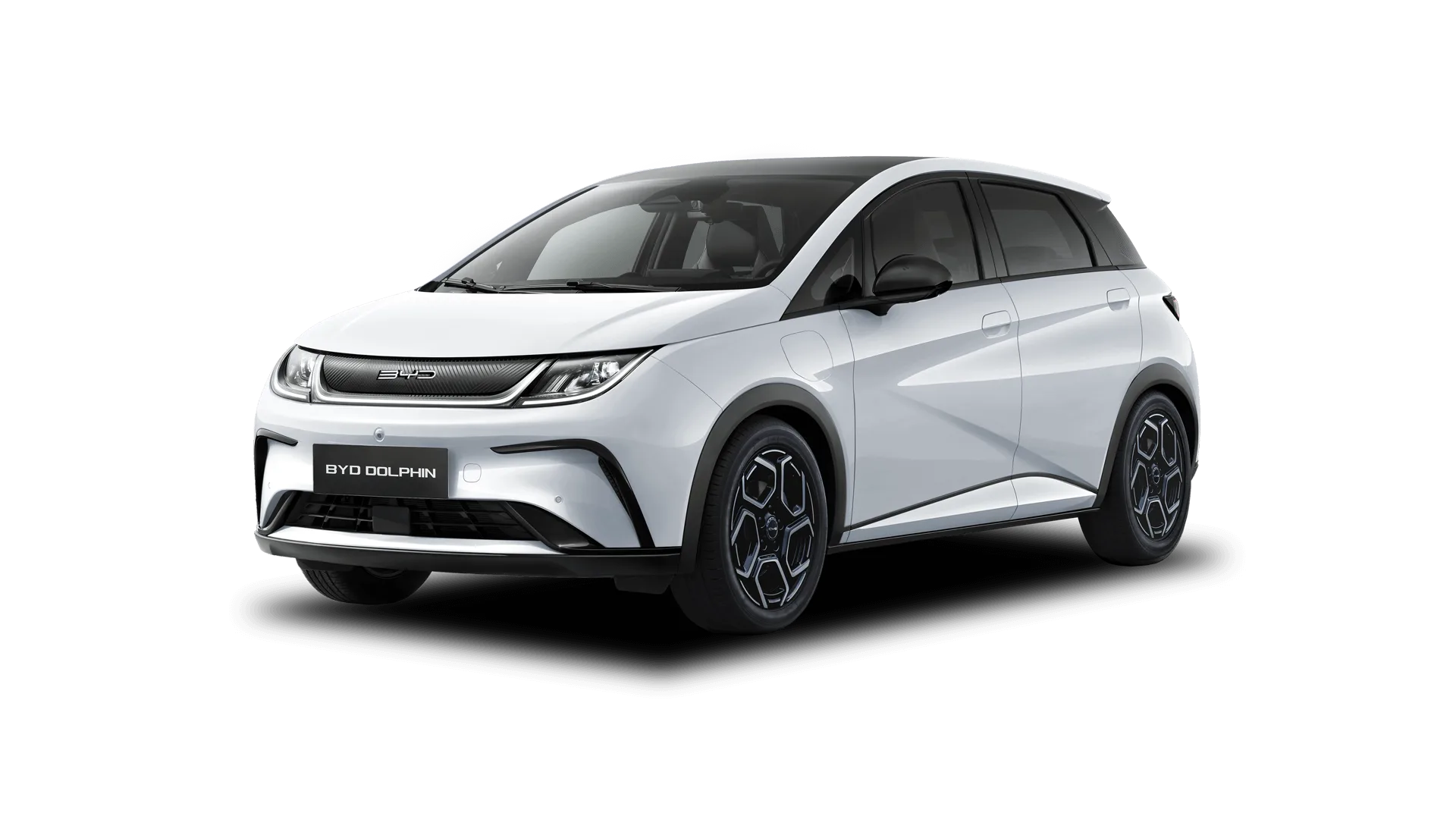 This bracket didn't really exist a couple of years ago. Now it's crowded.
The BYD Atto 1 is now the cheapest way in, the BYD Dolphin and GWM Ora sit comfortably under $40,000 and the MG4 Urban is priced to compete with a mid-spec petrol hatch like a Toyota Corolla or Mazda 3 (see the table above for drive-away prices).
These are city-first cars: 300–430km of range, quick enough and cheap to run.
If you've been waiting for EVs to cost the same as petrol, the wait's over.
This is where most buyers land, and where the choice gets hard.
The Tesla Model Y, BYD Sealion 7 and Kia EV5 are the big three mid-size SUVs, with the Hyundai Elexio, Geely EX5 and Toyota bZ4X crowding in underneath.
You get 400–555km of range, proper family space and fast charging.
The Tesla Model 3 sits here too for buyers who'd rather have a sedan than an SUV.
Differences come down to charging network access, software, resale and how the deal stacks up on the day.
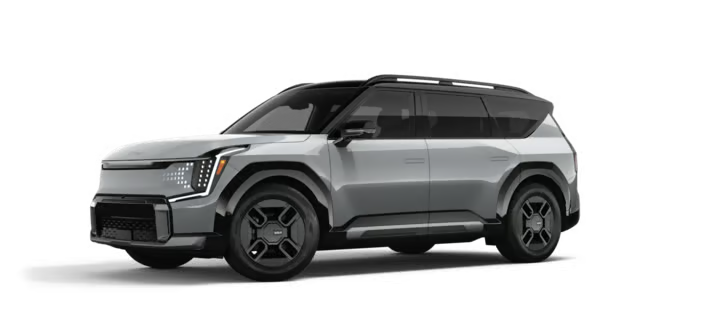 Above $70,000 you're paying for badge, performance, luxury fit-out or a third row.
The Kia EV9 offers genuine seven-seat practicality, while European marques like BMW, Polestar and Mercedes-Benz compete on refinement and brand.
Worth knowing: this is also the bracket most exposed to the proposed novated-lease tax changes (below), so the timing of a purchase here can matter more than the discount.
The sticker price is only half the story. Running costs are where the gap really opens up.
The honest trade-offs: home charging is far cheaper than public fast-charging, so an EV makes the most sense if you can plug in at home. And depreciation varies a lot. Established names like Tesla and Kia tend to hold their value better than the brand-new arrivals, so factor resale into the true cost.
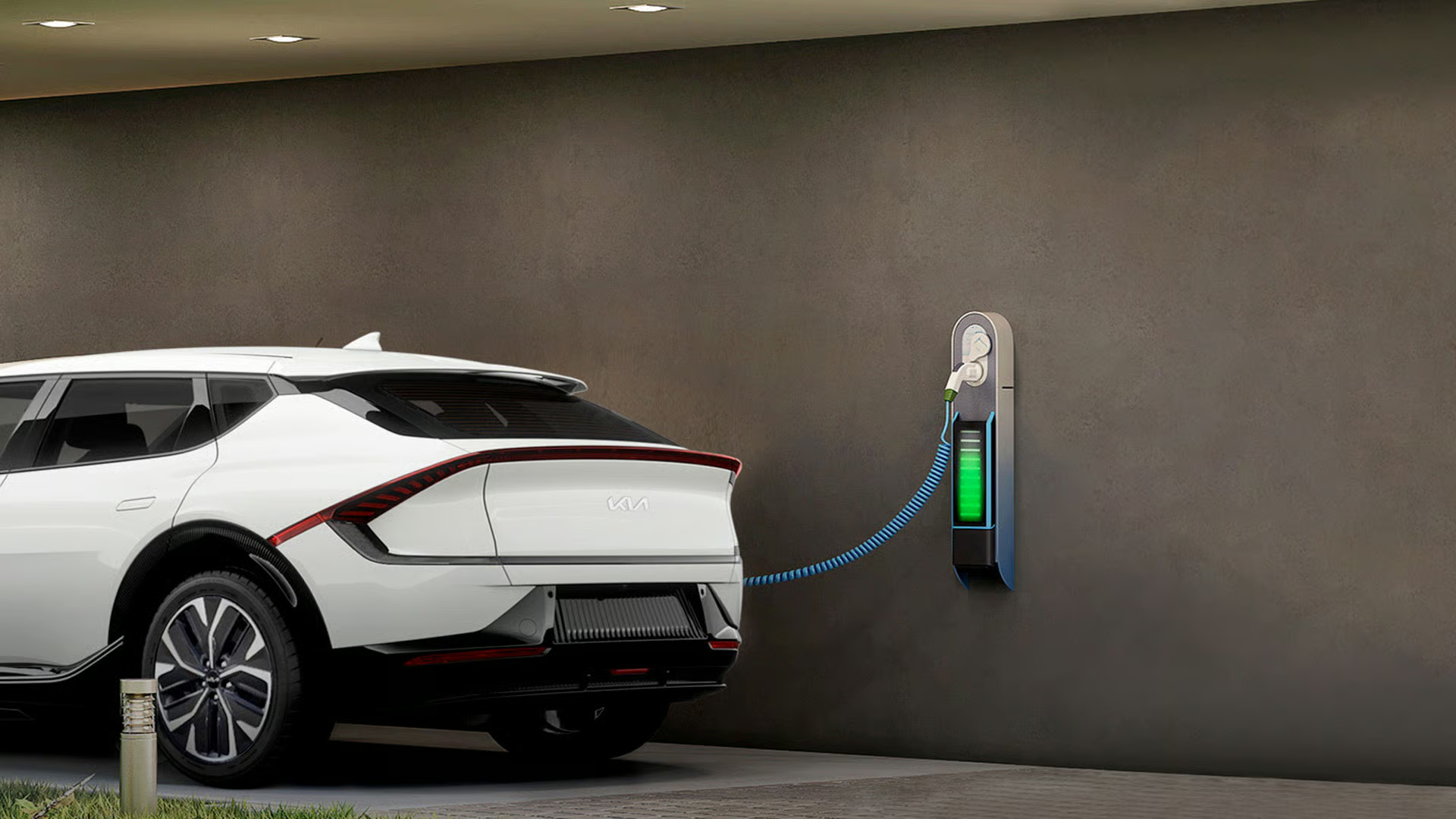
You charge an EV three ways, in roughly ascending order of speed and cost:
The practical takeaway: if you have off-street parking and can install a wallbox, an EV will likely save you money from day one. If you rely entirely on public charging, do the sums carefully first, because the savings shrink.
If you're considering a novated lease through your employer, the timing question is bigger than any end-of-financial-year offer.
Eligible battery-electric vehicles priced under the fuel-efficient luxury car tax threshold (currently $91,661 for 2026–27) are exempt from Fringe Benefits Tax under the federal Electric Car Discount. In practice, that lets you pay for the car and its running costs (charging, rego, insurance and servicing) from your pre-tax salary, which can save salary-packagers thousands of dollars a year.
That break is set to be scaled back under changes announced in the 2026–27 federal Budget. Based on the Budget measure:
Here's the part that matters most: existing novated leases are expected to be grandfathered, so a lease you start under today's rules should keep that treatment for its full term. That's the real "lock it in now" argument, especially on pricier EVs.
One important caveat: these changes are proposed, not law, and everyone's tax position is different. We're a comparison site, not your accountant, so treat this as general info and get advice from a qualified tax professional or your salary-packaging provider before you decide.
EVs suit a lot of people now, but not everyone. A quick gut-check:
For a lot of Australian households, the deciding factor isn't range anxiety. It's whether there's a power point near where you park.
Here are some of the best EOFY deals on EVs in Australia.
