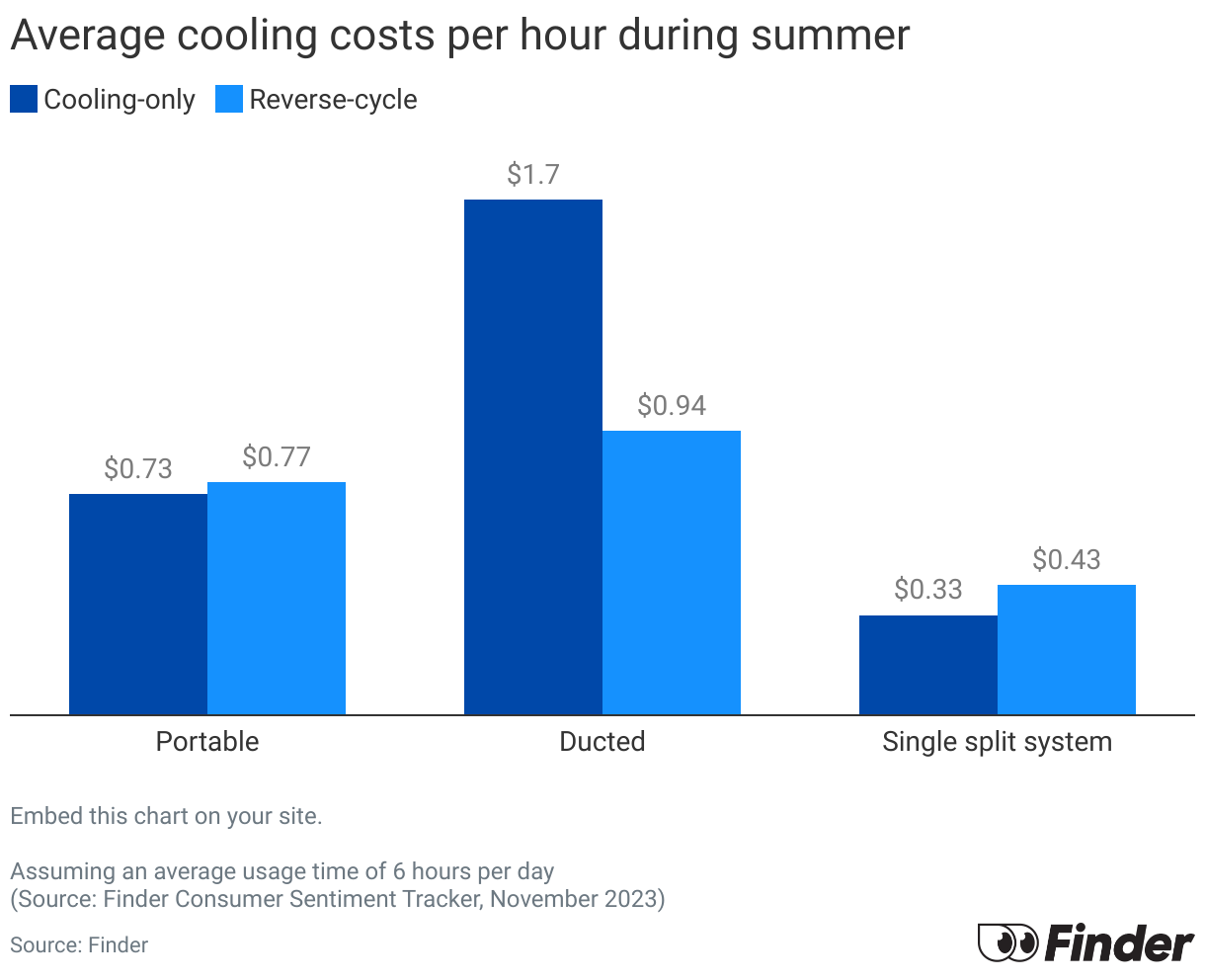
Based on our research, the cheapest way to cool your home is to use a single split system air conditioner.
The average hourly and daily running costs in Australia are $0.62 and $3.73, respectively.
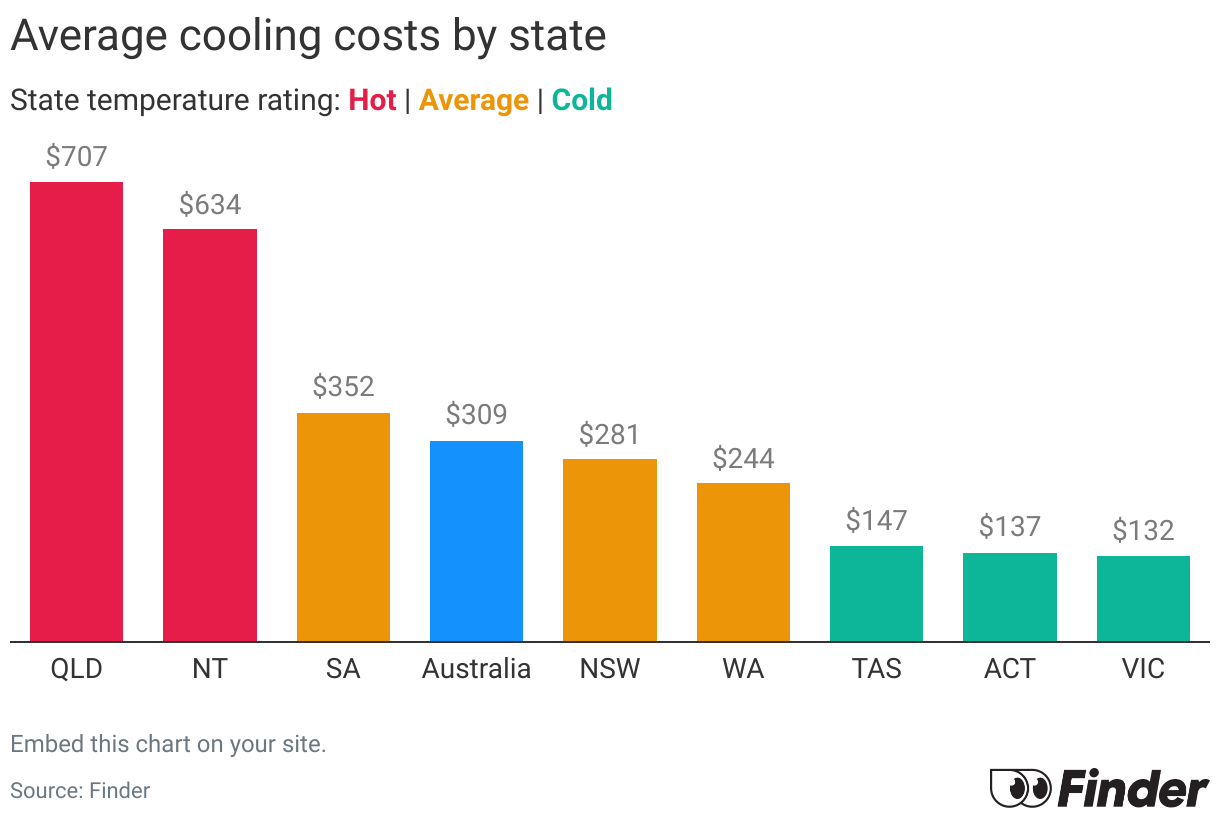
Air conditioner running costs in QLD and the NT are much higher because they are categorised as hot climate zones.
Air conditioning running costs during summer
We've crunched the numbers to show how much your air conditioner will cost to run this summer (6 hours a day, over 90 days).
The running costs have also been broken down into daily and hourly figures in case you want to make adjustments to your air conditioning use accordingly.
You can read our methodology about how we calculated the running costs before diving deeper into the guide.
What is the cheapest type of air conditioner to run?
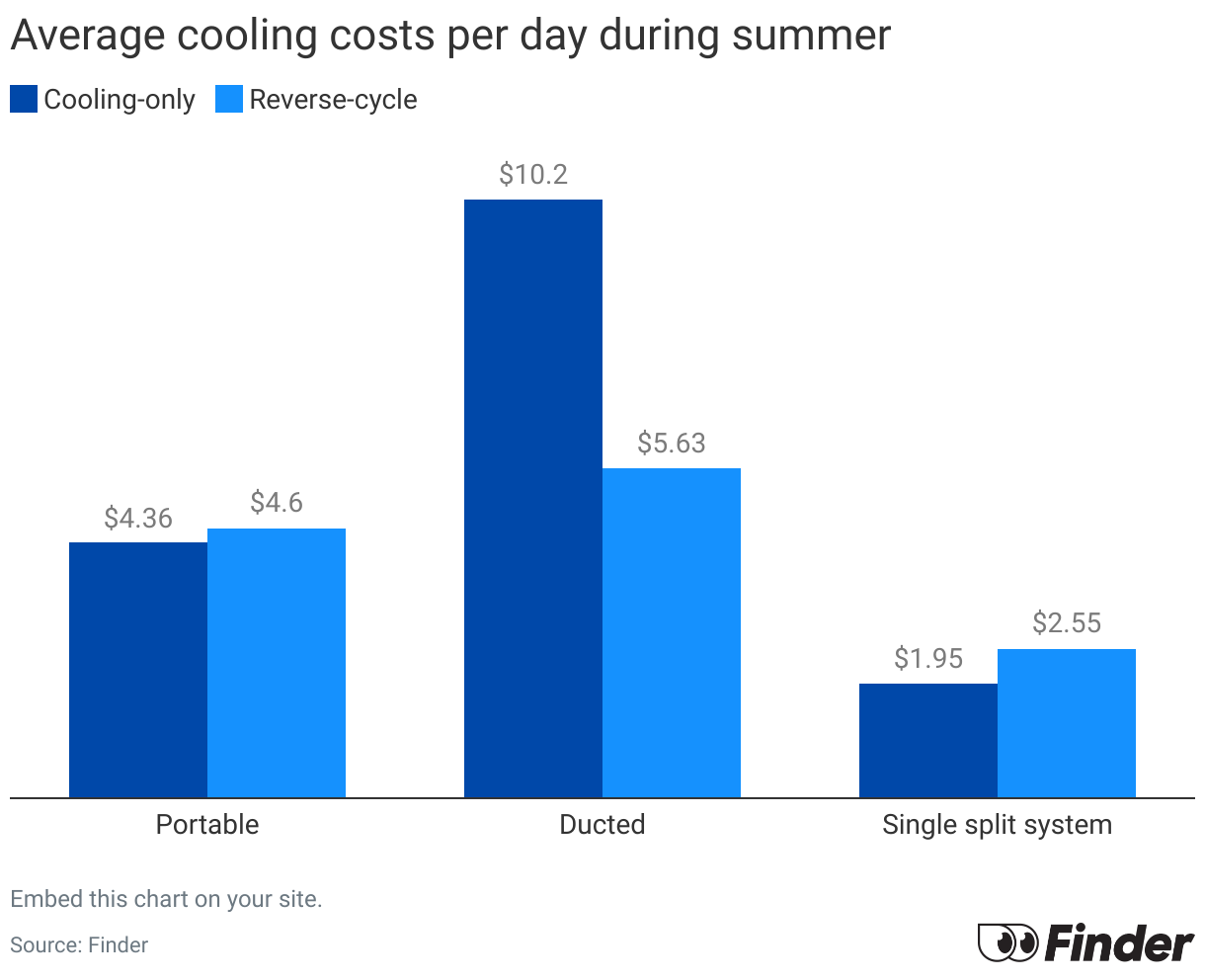
According to our analysis, a single split system is the cheapest type of air conditioner to use. It dispels the myth that bulky appliances cost more to run.
Cooling-only split systems cost $209 to run over the summer period, while reverse-cycle split systems cost $277.
Reverse-cycle split systems are generally more efficient for both heating and cooling a home during the year. Air conditioners cost far more to run than the other appliances using energy in your house year-round.
Understanding the different types of air conditioning systems
You can get all 3 air conditioners listed in cooling-only or reverse-cycle modes.
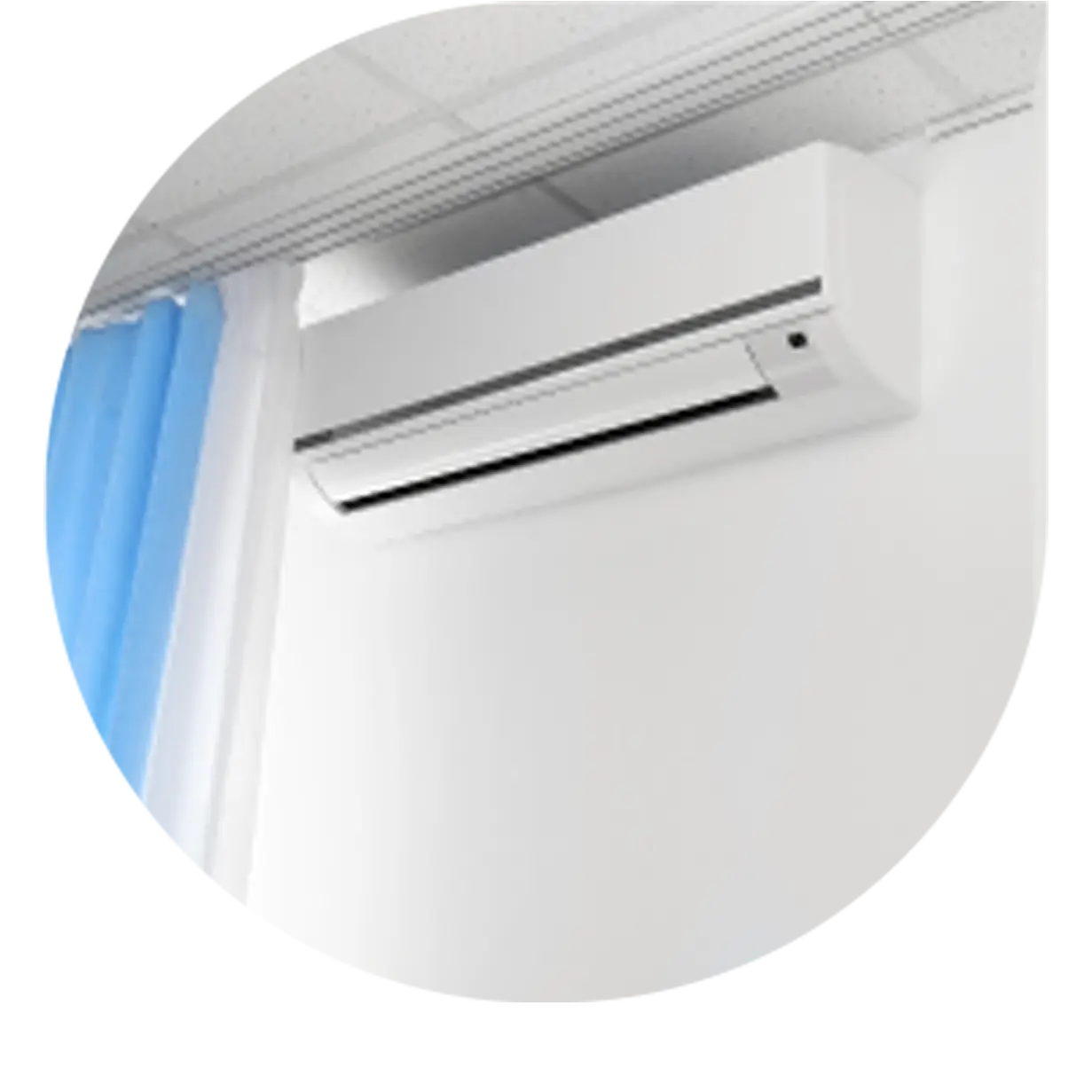
Single split systems: These have one indoor and one outdoor unit and are generally unobtrusive. You can choose between cooling-only models or a reverse-cycle AC, which will heat and cool your home. If you're looking to buy, costs start at under $600 for a 2.5-2.6kW unit, and installation can start at around $700.
Ducted air conditioners: There are different ducts installed inside the ceilings and walls of a home. Air is sent from one central location. You can have one installed with a zone controller, which allows you to switch on the AC only in certain parts of your home. Starting costs for purchasing and installing a ducted system are $5,000 to $10,000.
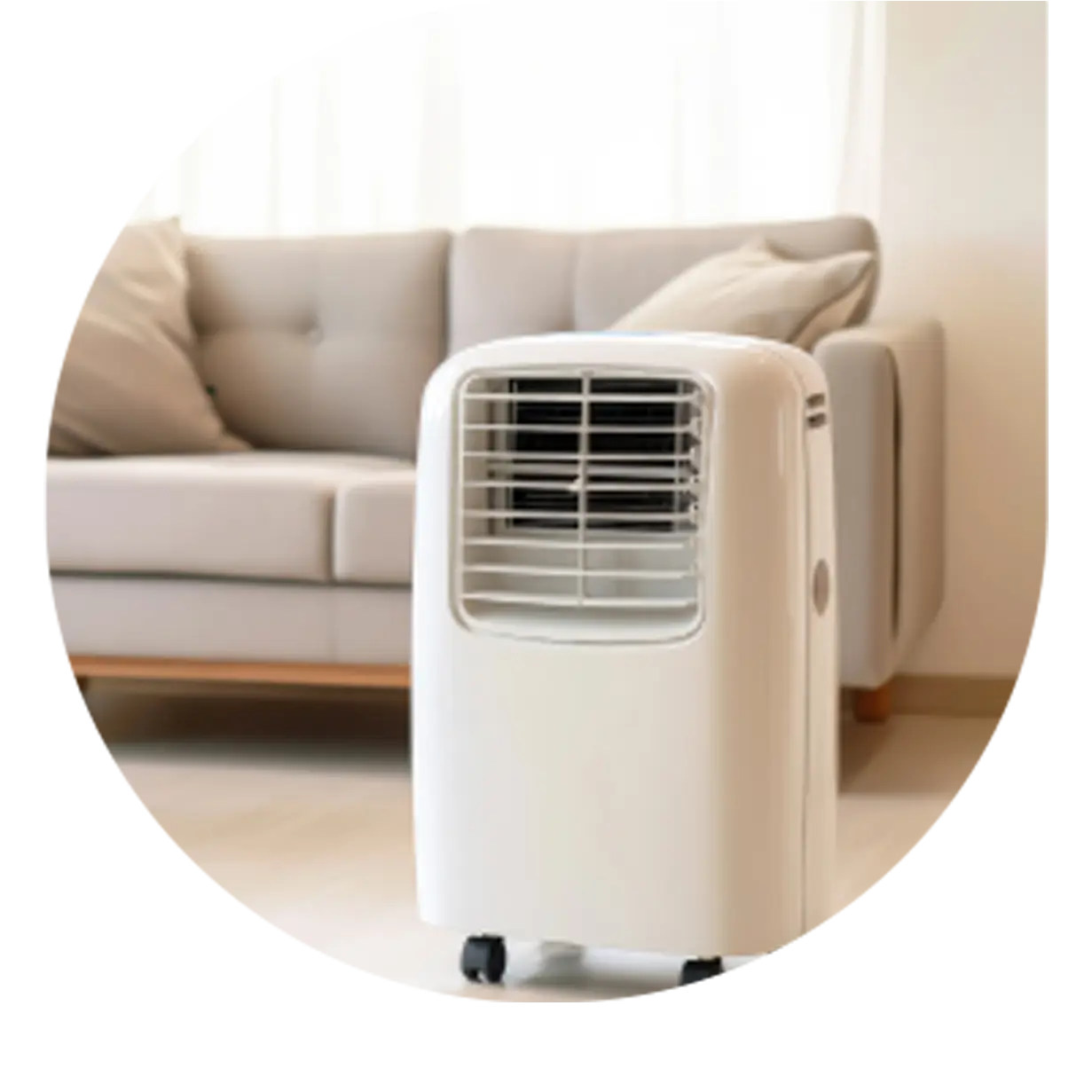
Portable air conditioners: These can be a more practical choice if you don't have any other type of air conditioner installed at your property and you're also renting. They will cool one room at a time. Prices usually start at $350–$450.
Single split system air conditioner running costs
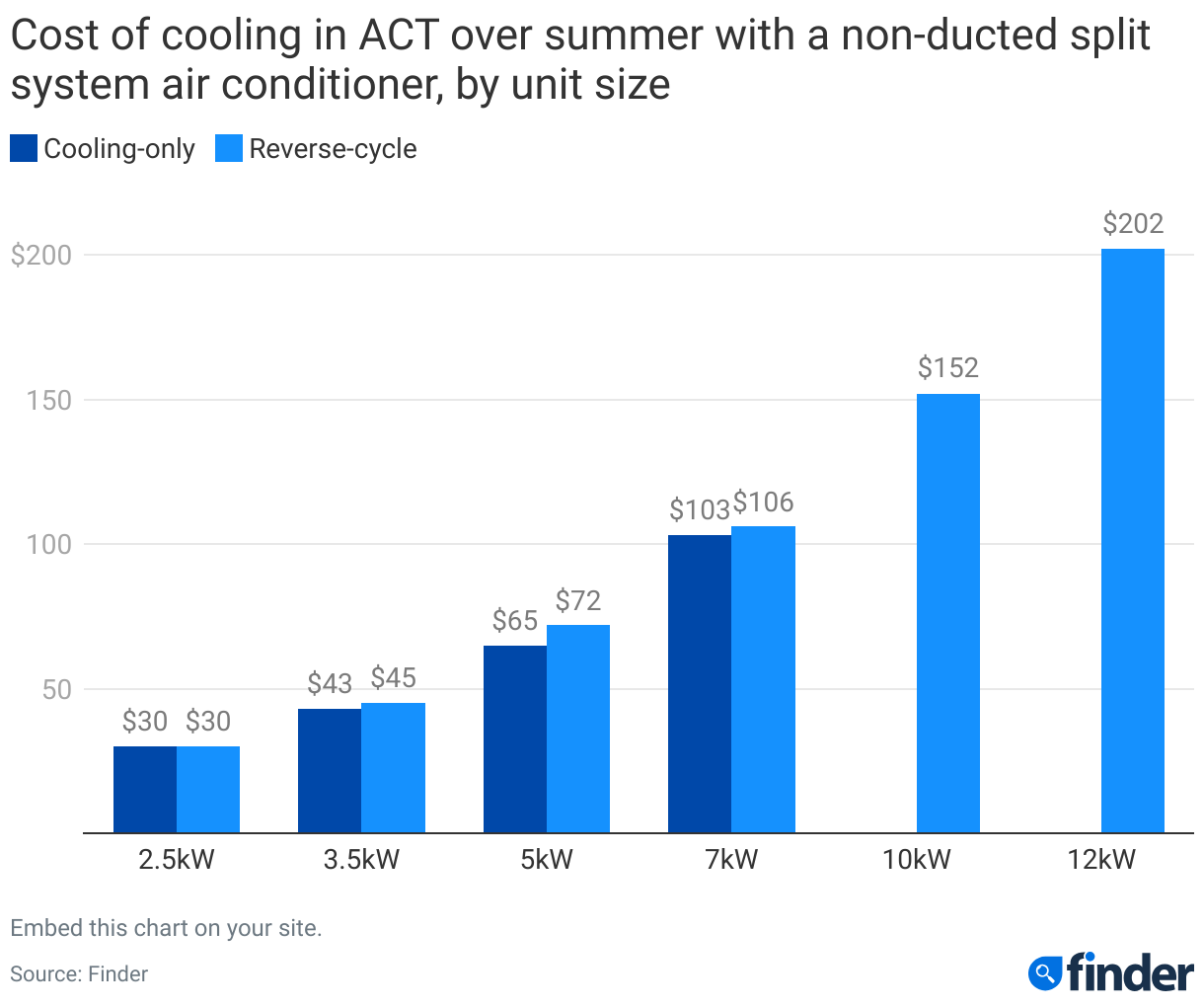
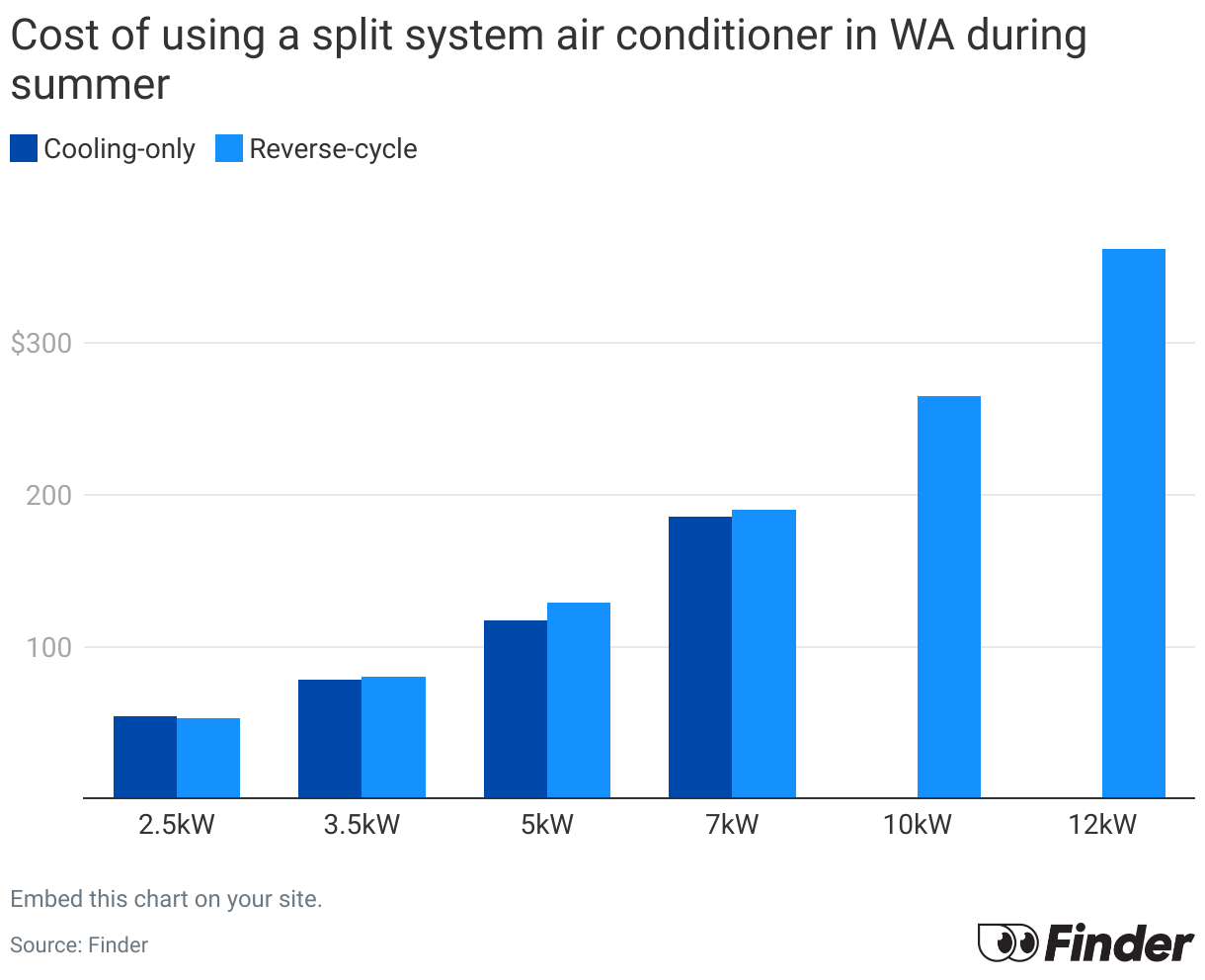
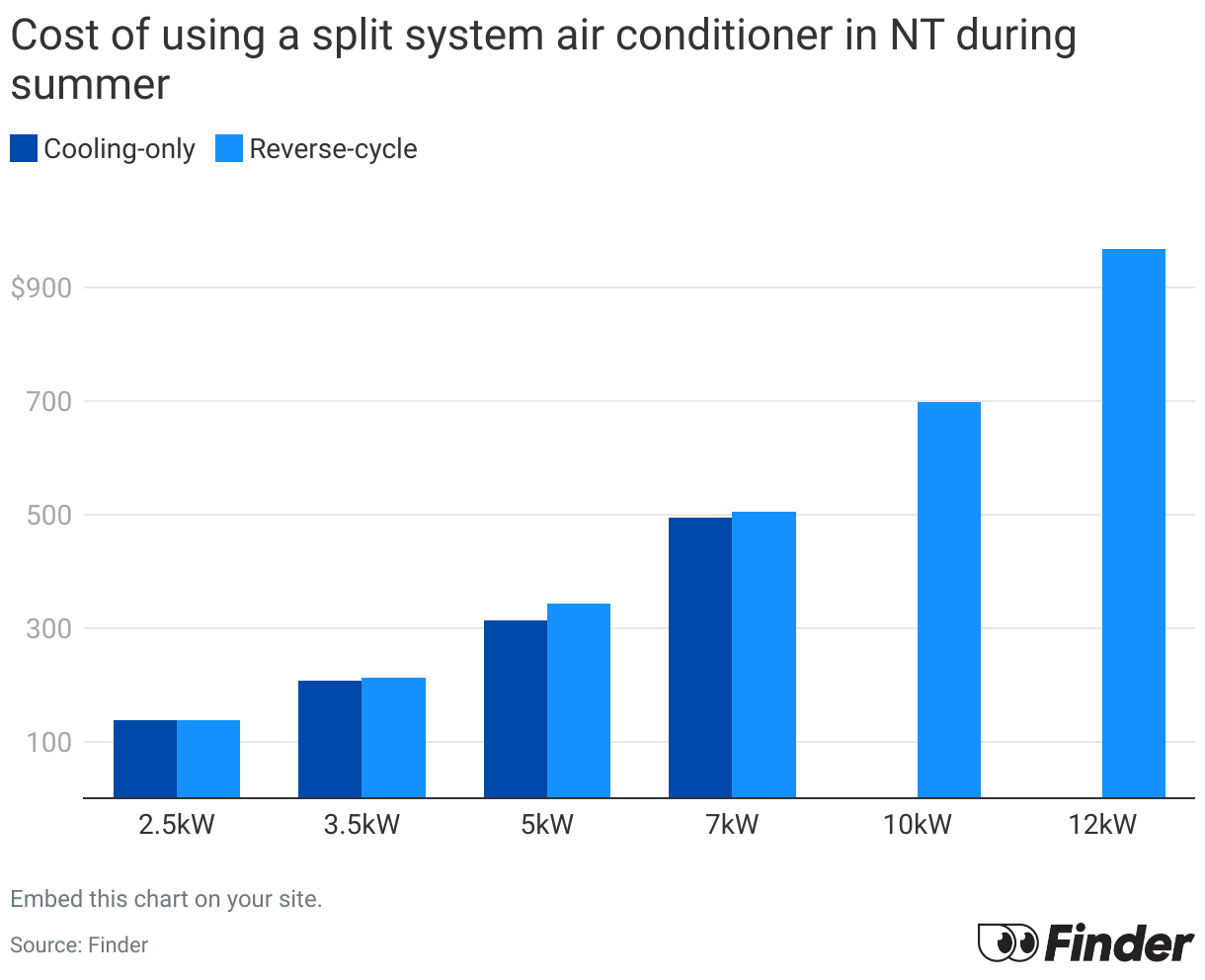
The running costs for a single split system (cooling-only and reverse-cycle) have been broken down by state and system size. Hover on each bar to see the actual cost. Not all unit sizes support both reverse-cycle and cooling only.
Due to the different climate zones, running costs in VIC start at $31 for a 2.5kW system but jump to $153 in QLD, which is the highest across all states and territories.
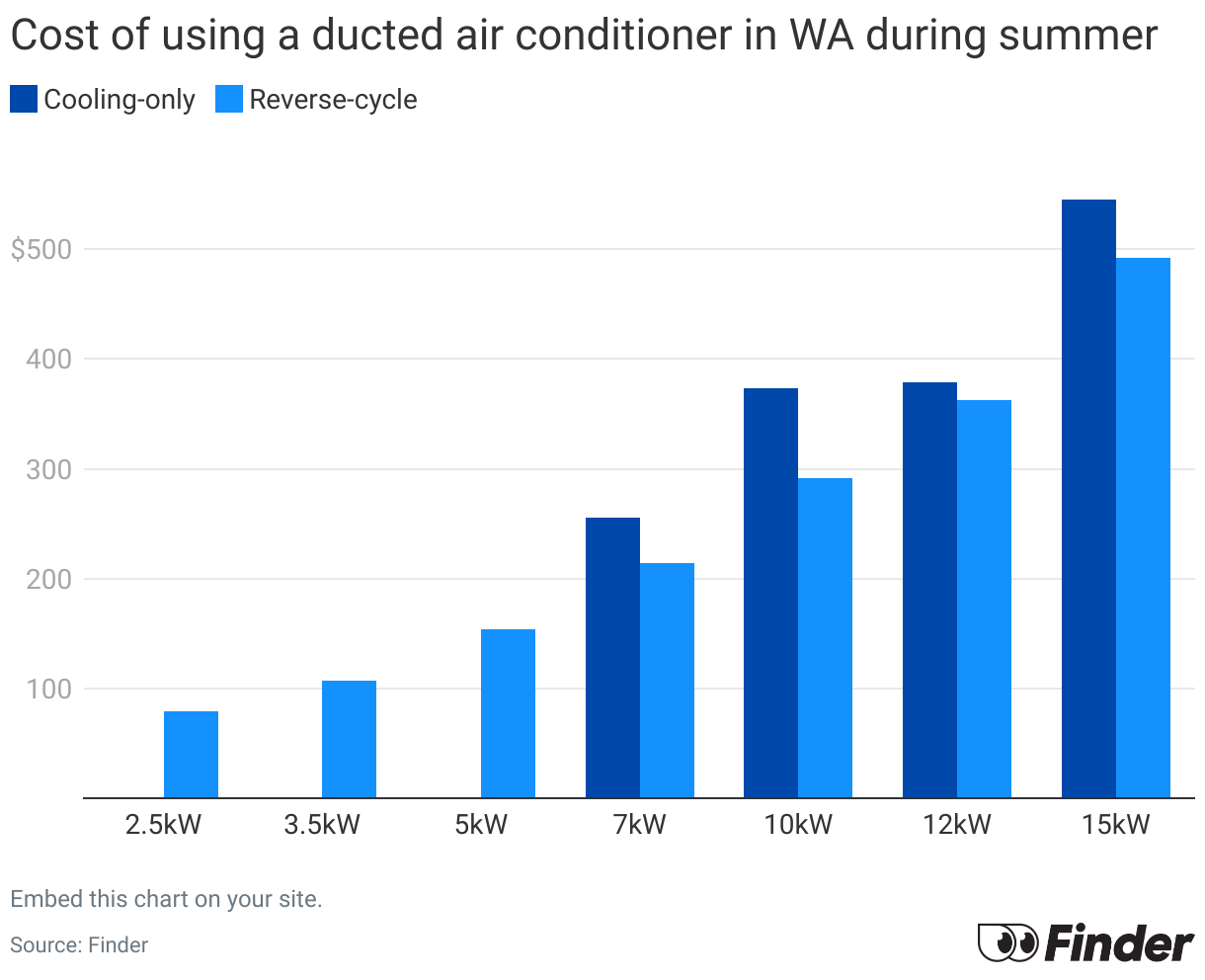
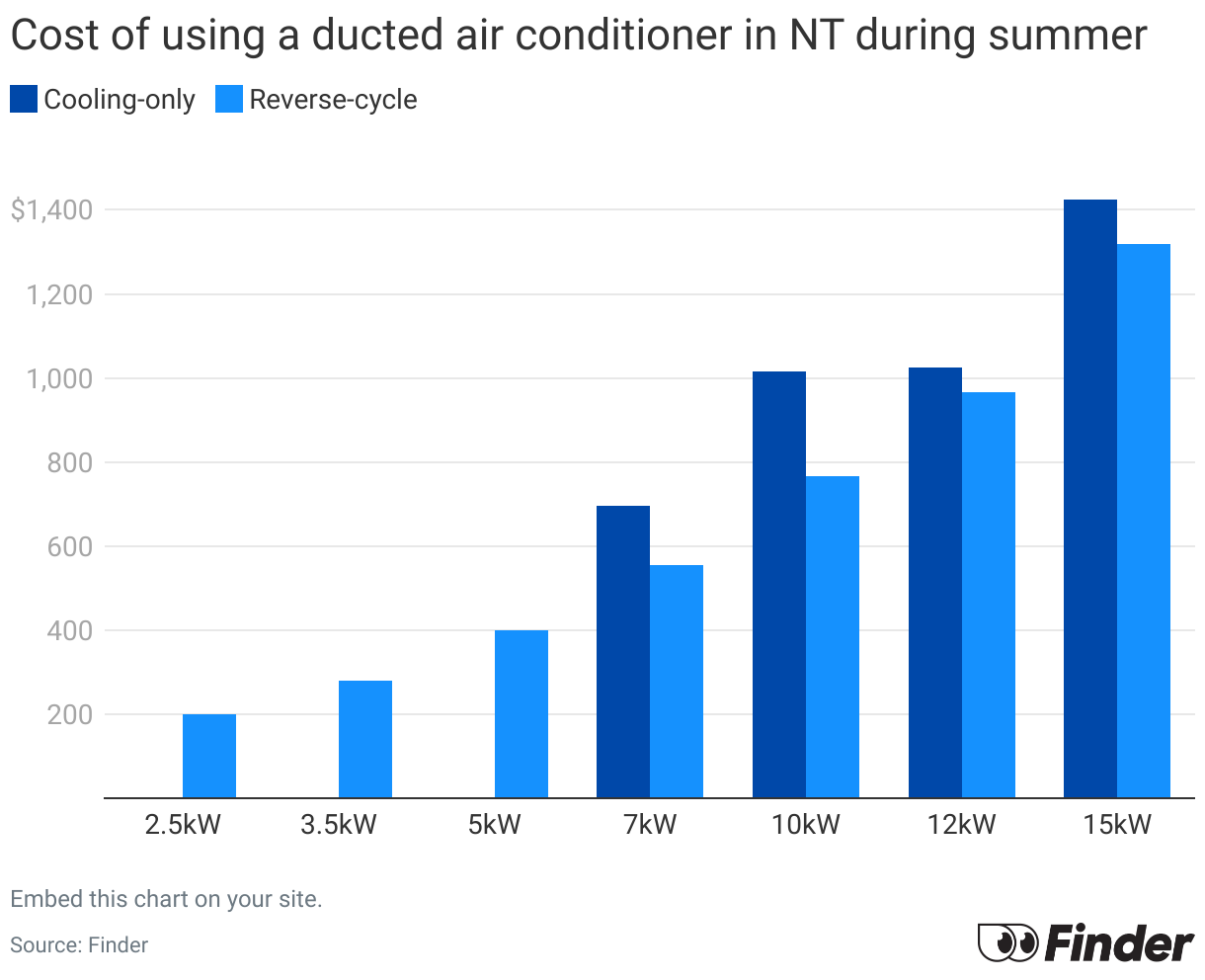
We analysed the running costs for a ducted air conditioner across different states and territories over the summer and found it's cheapest to run a ducted air conditioner in VIC and highest in QLD.
The range for VIC is $50 to $329 compared to $237 to $1,611 in QLD.
You can hover on the bars for actual dollar figures. Not all unit sizes support both reverse-cycle and cooling only.
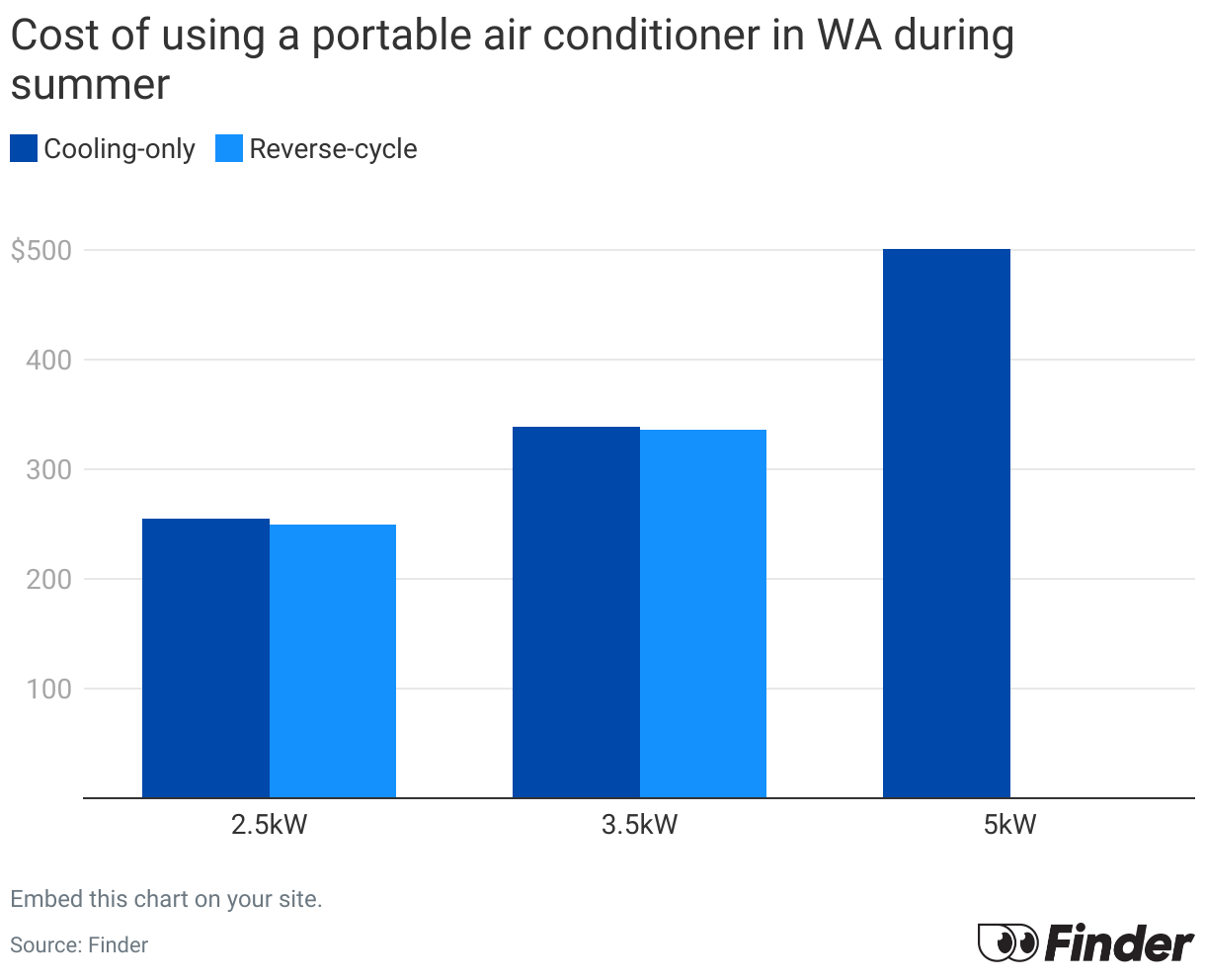
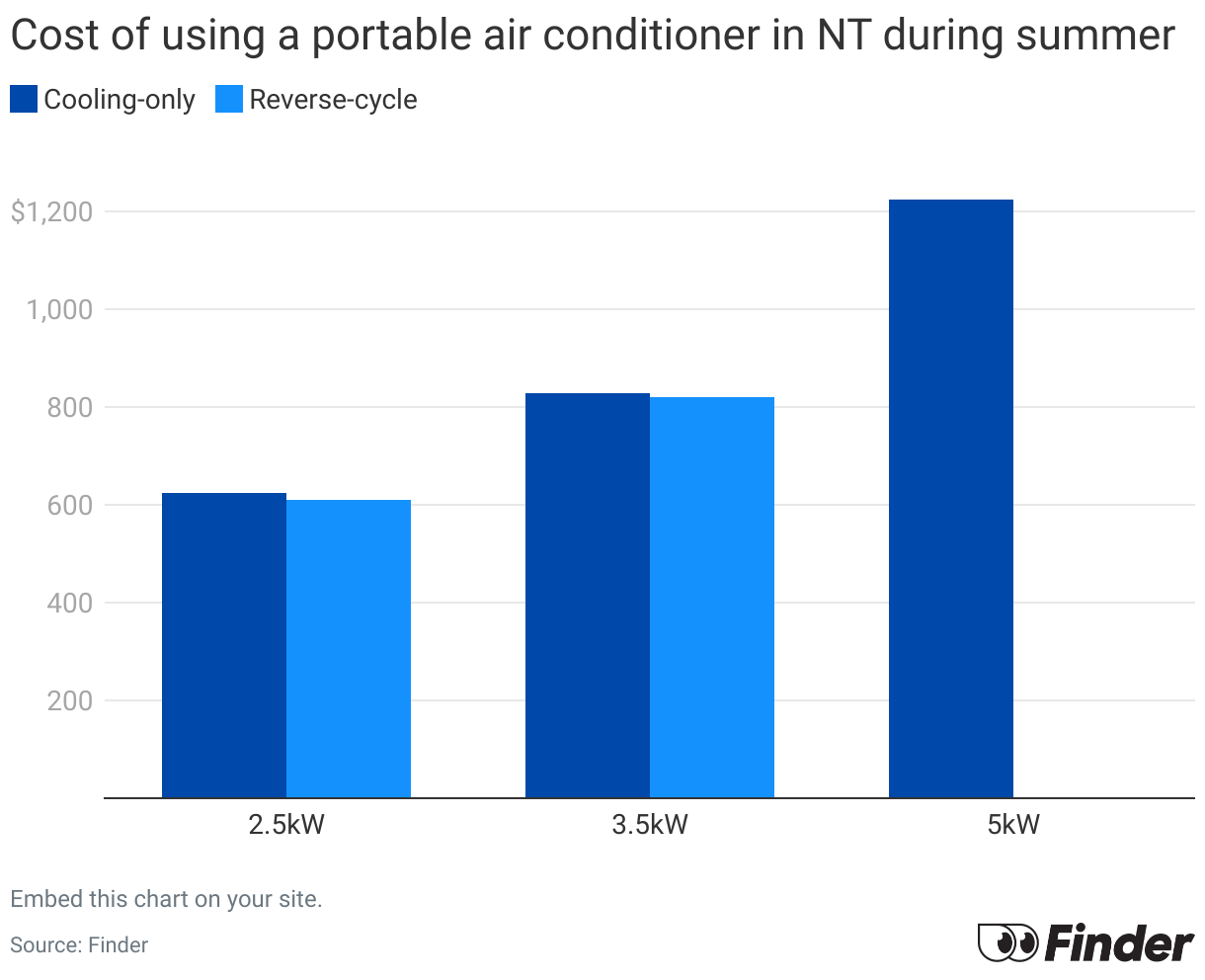
Portable air conditioners are generally more expensive to run, with the lowest starting cost in VIC at $148 for a 2.5kW system. It goes up to $767 in QLD for the same system size and type.
You can hover on the bars to see actual costs. Not all unit sizes support both reverse-cycle and cooling only.
It should come as no surprise that fans are cheaper to run, costing around 4 cents per hour as they consume less electricity.
Air conditioners can cost anywhere between $0.25 and $1.33 to run per hour, depending on the type and where you live.
Investing in one or more fans for your home can be a great idea to keep your cooling costs down this summer. The upfront cost may be a bit higher, but it'll pay for itself in very little time.
How can I reduce the running cost of my air conditioner?
These 6 tips can help you keep your energy bills at bay when running your air conditioner this summer.
Clean the filters regularly. It's recommended that you clean your air conditioner's filters at least once a year. Filters can become clogged with dust, pollen or even mould, lowering their efficiency.
Raise the thermostat. Setting the right target temperature is vital, so anywhere between 24 to 26 degrees Celsius. Each extra degree of cooling can add 10% to your bill.
Use your air conditioner for fewer hours. Running your air conditioner only during the hottest parts of the day – say, cutting down from 4 to 3 hours of use – will knock 25% off your cooling bill.
Use fans to circulate air. If you only need some light or localised cooling, such as a small room or a desk, use a fan. They work nearly as well as an air conditioner for a fraction of the cost.
Close doors, windows and blinds. If you stop heat from getting in, you'll have a much easier time keeping your living spaces cool. If there's a cool breeze, you might want to open your windows instead.
Compare energy plans. You should also make sure you're signed up for an electricity plan with the cheapest usage rates for your area. This can help reduce the cost of your energy bills during the summer.
"I work from home, and the upstairs part of my house gets insanely hot during summer. Out of respect for our bank account, I prefer to use the aircon sparingly and let it work smarter, not harder. I'll set the temp to around 25 degrees, close all doors and windows and let it work its magic. I only use it for the hottest parts of the day, too, so it never exceeds usage of 3 or 4 hours."
We calculated cooling costs for the summer (90 days) by first noting down the most common types of air conditioners used in Australia:
Single split systems
Ducted air conditioners
Portable air conditioners
We then gathered running cost data for 4,066 appliances across the 3 categories via the Energy Rating Calculator.
Here's what we input:
For each state or territory, we entered the postcode for the capital city
We also entered the average electricity usage rate for each state or territory as per Finder's database of single-rate tariff plans (accurate as of November 2025)
Average usage rates
NSW: 38.15 cents per kWh
QLD: 33.39 cents per kWh
ACT: 32.10 cents per kWh
SA: 44.57 cents per kWh
TAS: 27.33 cents per kWh
WA: 32.37 cents per kWh
NT: 30.08 cents per kWh
VIC: 29.58 cents per kWh
Australia: 33.45 cents per kWh
The calculator gave us the 1-year running cost for every air conditioner by using the usage rates we input. Energy Rating also takes into account different climate zones to calculate costs.
While the calculator gave us both the heating and cooling costs for the year, we only considered the cooling costs for the summer period.
On our page, you'll see a few different breakdowns. Here are the assumptions we used for them:
Daily cooling cost: The Energy Rating Calculator supplied us with a yearly cooling cost and a yearly heating cost for each air conditioner. We assumed that people only cool their houses over the 3 summer months of the year (roughly 90 days). So, according to this, we took the yearly cooling cost and divided it by 90 days to get the average daily cost over the summer.
Hourly cooling cost: Finder's Consumer Sentiment Tracker data revealed that the average Australian runs their air con for 6 hours per day. We now took the daily cooling cost we calculated above and divided it by 6 hours to calculate the average hourly cost when running the air conditioning units.
Frequently asked questions
This will largely depend on the size of the room that requires cooling. The bigger the room, the larger your unit will need to be to work efficiently.
With that in mind, here's a general guide to help you out.
Room size (m2)
Common room types
Air con size
10–25m2
Bedroom, study, small office
2.6kW
25–35m2
Bedroom and ensuite, office, small lounge room, small kitchen
3.5kW
35–60m2
Master bedroom, medium lounge room, kitchen
5–6kW
60–80m2
Large lounge room, big open plan areas, small shops
7–8kW
The size of your room and the size of the air conditioner will impact running costs. If the air con size is small, but you have a large room, it'll need to work harder to cool the space.
You should also clean the filters at least once a year because dust, pollen and mould can impact how efficiently the air con runs.
Reverse-cycle split systems are usually the cheaper and more energy-efficient option.
Ducted systems are generally preferred if you have zone control. It means you will have control over which room is getting cooled. Without zone control, your entire home will have air conditioning running, which defeats efficiency.
Here's how the 2 types of air conditioners compare if you disregard zone control.
Reverse-cycle split system
Ducted air conditioner
Designed to cool a single room or space
Designed to cool your whole house
Each room can be set to a specific temperature
All rooms are cooled to the same, centrally set temperature
Relatively easy to install
Requires a dedicated duct system to be run throughout your house
Individual units are relatively inexpensive (between $1,000 and $2,000 depending on the air con size)
Expensive to install ($5,000 to $25,000 depending on the size of your home)
Some air conditioners, such as a split system, will have a star rating label. The higher the star rating, the more efficient it is to run. For example, an air conditioner with a 1.5-star rating will be slightly more expensive to run than a system with a 3.5-star rating.
Mariam Gabaji is a journalist with 13 years of experience, specialising in consumer topics like mobile services and energy costs. Her work appears in the ABC, Yahoo Finance, 9News, The Guardian, SBS, 7News, A Current Affair and Money Magazine. Mariam holds a Bachelor of Arts in Journalism and was a finalist for the 2024 and 2025 IT Journalism Award for Best Telecommunications Journalist.
See full bio
Mariam's expertise
Mariam
has written
620
Finder guides across topics including:
Joshua Godfrey is a Senior Insights Analyst at Finder, specialising in data analysis and identifying emerging trends through the Consumer Sentiment Tracker, a monthly survey on Australians' financial attitudes. He has authored Finder’s 2024 Wealth Building Report and 2025 First Home Buyer Report which have been widely quoted in top media outlets like the AFR and news.com.au. With a Bachelor of Business in Finance and Marketing and a Diploma of Creative Intelligence from UTS, Josh is passionate about uncovering patterns in consumer sentiment and exploring how they influence the future of finance.
See full bio
Joshua's expertise
Joshua
has written
42
Finder guides across topics including:
Kleenheat is a Western Australia-based and operated provider offering gas plans, making it a solid choice for those seeking local support, rewards and discounts.
Synergy is an energy provider in Western Australia that specialises in connecting the South West Interconnected System (SWIS), including Perth and surrounding areas.
If you’re looking to go green with your power then Diamond Energy can help, offering one of the greenest power sources in all of Australia.
Important information about this website
Finder is a comparison service. We do not compare every product or every provider in the market.
We make money through commercial arrangements with some of the providers on this site. Products marked 'Sponsored', 'Promoted', 'Featured' or 'Advertisement' appear as a result of a commercial arrangement.
Our editorial content, product reviews and any 'Top Pick' designations are prepared independently of these commercial arrangements.
The default order of products in our tables can be influenced by commercial arrangements. You can re-sort or filter using the controls above each table.
Some content on this site may be generated or supported by AI tools. You should verify details directly with the provider.
Finder is one of Australia's leading comparison websites. We are committed to our readers and stand by our editorial principles.
Our comparison service does not include every product or every provider in the market. Some product issuers offer their products under multiple brands or through associated companies. Where we can, we identify the underlying issuer so you can compare like with like, but you should always check with the provider directly to confirm which brand you are dealing with.
Finder is a comparison website and an intermediary. We are not a product issuer and we do not provide personal financial or credit advice. When you click a link to a product, or apply for a product through our site, you deal directly with the product issuer. We may receive a referral fee, commission or other payment from the issuer if you click through, apply or take out a product. We describe these arrangements in more detail under 'How we make money' below.
Product features, fees, terms and eligibility criteria are set by the product issuer and may change. We rely on information supplied by issuers when we present product details on our site. Before you apply for or take out any product, you should confirm the details directly with the issuer.
We earn revenue from Finder in four principal ways:
Referral fees and commissions. When you click a product link, complete an enquiry form or apply for a product through our site, we may receive a referral fee, commission or other payment from the product issuer. We may also receive payment based on the volume of leads or conversions we send to an issuer.
Sponsored placements. Products marked 'Sponsored', 'Promoted', 'Featured' or 'Advertisement' appear as a result of a commercial arrangement between Finder and the issuer. These labels always indicate a paid placement. We do not use them for editorial choices.
Display advertising. Banner advertising, newsletter advertising and similar display ads on our site are paid by advertisers.
Content sponsorship. Some articles, videos and social media posts are sponsored by an issuer and are clearly labelled as such.
Our editorial opinions, product reviews and any 'Top Pick' designations are prepared independently of these commercial arrangements. A 'Top Pick' is an editorial choice made by our writers and editors based on the criteria described on each comparison page. A 'Top Pick' is not a personal recommendation and does not mean the product is appropriate for your circumstances.
If you would like to know whether we have a commercial arrangement with a specific product issuer, please contact us.
When products are grouped in a table or list, the default order can be influenced by commercial arrangements we have with product issuers. In some categories, sponsored or featured products appear in the top positions of the table by default, and are always labelled as such.
Other factors that influence default order include price, fees and features, and (where relevant) our editorial view of the product.
You can re-sort every comparison table using the controls above the table. You can filter by product features that matter to you. The order you see after re-sorting or filtering is not influenced by commercial arrangements.
Some content on this site is generated or supported by artificial intelligence tools, including our AI-powered assistant FinderBot. AI-generated content may contain errors. Please verify important information directly with the product issuer before making a financial decision. For more information about FinderBot, see the FinderBot Terms of Use and FinderBot Privacy Collection Notice.
Please read our website terms of use and privacy policy for more information about our services and our approach to privacy.
We update our data regularly, but information can change between updates. Confirm details with the provider you're interested in before making a decision.
Our goal is to create the best possible product, and your thoughts, ideas and suggestions play a major role in helping us identify opportunities to improve.