Desexing dogs and cats prevents unplanned litters and can improve health and behaviour.
You should not have to pay more than $500 to have your cat desexed, while dog desexing costs can be as high as $690.
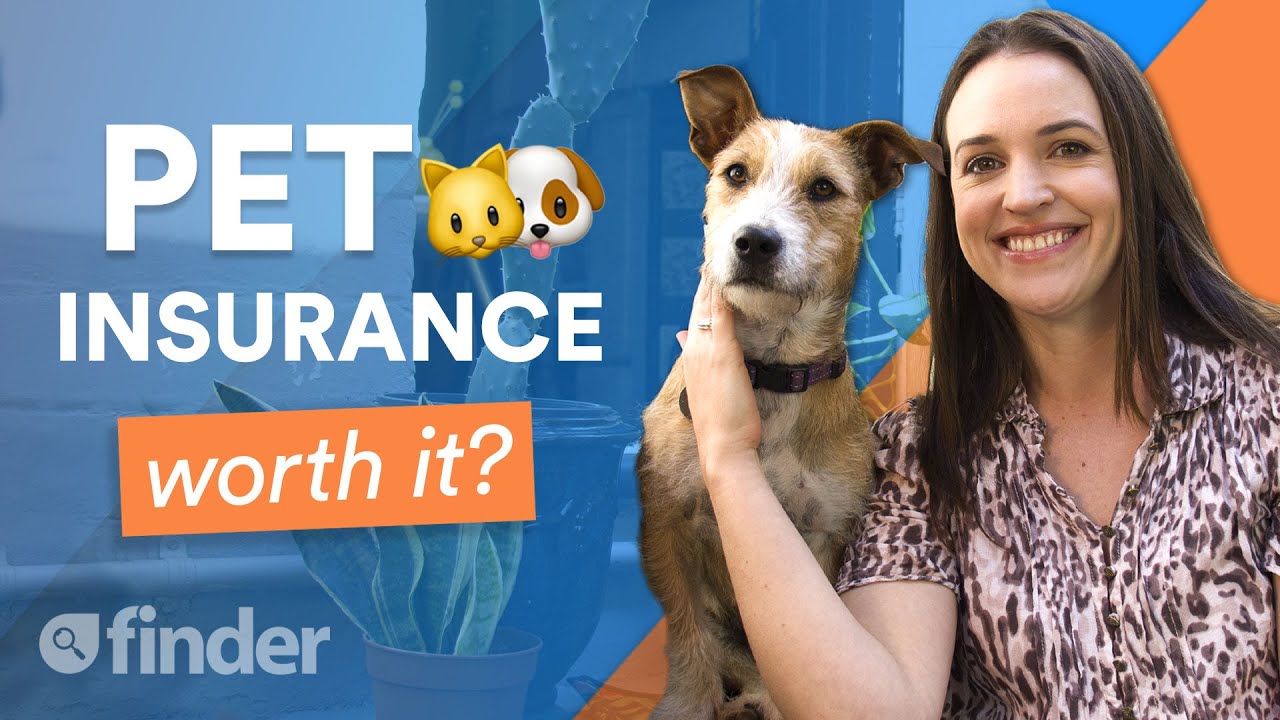
Pet insurance can cover desexing if your policy includes routine care.
How much does it cost to desex a cat or dog?
How much does it cost to desex a dog?
Dog desexing typically costs between $200 and $500 – but you should typically pay under $300. It's also usually slightly cheaper to get a male dog desexed than a female but costs differ depending on the vet you go to:
NSW: RSPCA NSW - $200-$500 (male or female)
SA: Dr Ken's Vet Clinic - $120 - $350 (male or female)
WA: Hanly Vet - $250 - $510 (male or female)
ACT: Melba Vet - $460 - $690 (male or female)
How much does it cost to desex a cat?
Cat desexing costs around $115 to $300. The exact costs will depend on the vet you go to.
Your local council might subsidise some desexing costs. This is often in conjunction with the National Desexing Network which can help reduce the costs if you can't afford to desex your cat.
Yes. It's usually available through routine care or with a comprehensive policy. Considering that a pet insurance policy costs around $127 a month on average and desexing can be as much as $500, so it's worth considering, especially if you consider the cost of health checkups down the line.
You pay the same price as buying directly from the pet insurer.
We're not owned by an insurer (unlike other comparison sites).
We don't ask for your phone or email.
We've reviewed over 35 policies on the market, so you don't have to.
Find the right cover for your pet
3 quick questions to find the best insurance for your furry friend.
What if I can't afford to desex my pet?
If you can't afford to pay for desexing, you can get financial help through the National Desexing Network (NDN). It's an Australia-wide referral system made available to pet owners in financial need, like concession card holders. They have a really helpful directory that lets you find a vet near you and a breakdown of costs — just remember it's not open to everyone.
Should I desex my dog or cat?
Even if it's not mandatory everywhere in Australia, desexing can be an important step for responsible pet ownership. If you're unsure, consider these pros and cons:
Benefits of female desexing
Reduces the risk of mammary tumours
Eliminates the risk of ovarian tumours
Eliminates the risk of pyometra (an infection of the uterus)
Won't attract male dogs or cats to your home while on heat
Won't suffer the physical injuries, exhaustion and possible infection from having litters
Benefits of male desexing
Eliminates testicular cancer risk
Reduces perianal tumours risk
Reduces prostatic diseases risk
Less likely to spray urine to mark its territory and attract mates
Other benefits
They're less likely to wander or get hit by a car while trying to find a mate
It's usually cheaper to register a desexed cat or dog with the council
Less aggressive and anti-social behaviour
Can be more affectionate and calm
Is desexing mandatory for cats and dogs?
Depending on where you live desexing your pet may or may not be compulsory. Each state and territory in Australia has different rules around desexing, here's what they look like:
State/territory
Mandatory desexing legislation?
ACT
Yes. It's an offence to own an undesexed dog over 6 months old or an undesexed cat over 3 months old, unless you have a permit.
NSW
No
NT
No
QLD
No
SA
Yes. It's an offence to own an undesexed dog or cat over 6 months old, with limited exemptions.
TAS
Yes for cats (over 6 months) No for dogs
VIC
No
WA
Yes for cats (over 6 months) No for dogs
Is pet insurance right for me?
4:02
Questions you've asked on desexing, answered
As a general rule, cats and dogs should be desexed at between five and six months of age. Larger dog breeds are desexed when they attain their full bone growth. However, it can be performed safely from eight weeks and the RSPCA recommend that dogs be desexed before they hit puberty, which can be as early as four months for some dogs.
You might not be allowed to register your pet without desexing your pet. Other councils will charge you more to register an undesexed pet. If you don't desex your pet in a state where it's a legal requirement, you face being hit with a big fine.
Owners of undesexed pets can be hit with high vet bills if their animal gets injured while out roaming or has complications during pregnancy and birth
If you plan to go on holiday, many kennels and catteries refuse to take undesexed dogs and cats, while others charge more to do so. And local councils charge more – over four times as much – to register an undesexed animal.
In July every year, vet clinics in Australia reduce their desexing fees in an effort to encourage more pet owners to bring their pets in for the procedure.
If you are genuinely struggling financially and can't afford the cost of desexing, you can apply to the National Desexing Network (NDN) charity at any time of the year to get help finding a vet who will desex your pet for less. Please note that year-round fee reduction is only available to pet owners who genuinely need it.
Gary Ross Hunter has over 6 years of expertise writing about insurance, including life, health, home, and car insurance. Having reviewed hundreds of product disclosure statements and published over 800 articles, he loves simplifying complex insurance topics for everyday readers. Gary has contributed to major outlets like Yahoo Finance, The Sydney Morning Herald, and news.com.au, and holds a Bachelor of Arts (Honours) in English Literature from the University of Glasgow, along with a Tier 2 General Advice certification, ensuring his work adheres to ASIC’s RG146 standards.
See full bio
Gary Ross's expertise
Gary Ross
has written
554
Finder guides across topics including:
Francesca Guerrera was a Publisher at Finder, helping Aussies find the best deals when it comes to getting pet insurance for their fur babies or taking out life insurance. She has a Bachelor of Communications in Journalism from the University of New South Wales.
See full bio
I have a 12 month old female dog I need desexed asap but I’m a single parent on a pension is there anywhere in adelaide that does discounted desexing
Finder
SarahJanuary 10, 2024Finder
Hi Chels, Try the National Desexing Network (NDN) – they are an Australia-wide referral system giving pet owners in financial need access to low-cost desexing.
KrystelMay 21, 2019
I would like to find out an estimated cost of how much it would cost me to get my 1 year old kitten desexed and micro chipped please?
NikkiMay 22, 2019
Hey Krystel,
Thanks for your inquiry! According to our page, it costs around $115 to have a male cat desexed and around $300 to have a female cat desexed, according to the RSPCA. Note that many councils will charge more to register an undesexed cat. The registration costs could be as much as four times the cost of registering a desexed cat.
In July every year, vet clinics in Australia reduce their desexing fees to encourage more pet owners to do this procedure. The National Desexing Network (NDN) is a charity that aims to end pet overpopulation by making it more affordable for pet owners in financial need to have their animals desexed. You can visit the NBN website to see where the nearest vet clinic is that offers this service. Please note that year-round fee reduction is only available to pet owners who genuinely need it.
Regarding microchipping, we don’t have information on this yet but one way to prevent paying for microchipping your cat is to get pet insurance. Insurers like Australian Pet Insurance covers desexing and microchipping.
Hope this was helpful. Don’t hesitate to message us back if you have more questions.
Find out whether or not you can get pet insurance for dental care and what options there are.
Important information about this website
Finder is a comparison service. We do not compare every product or every provider in the market.
We make money through commercial arrangements with some of the providers on this site. Products marked 'Sponsored', 'Promoted', 'Featured' or 'Advertisement' appear as a result of a commercial arrangement.
Our editorial content, product reviews and any 'Top Pick' designations are prepared independently of these commercial arrangements.
The default order of products in our tables can be influenced by commercial arrangements. You can re-sort or filter using the controls above each table.
Some content on this site may be generated or supported by AI tools. You should verify details directly with the provider.
Finder is one of Australia's leading comparison websites. We are committed to our readers and stand by our editorial principles.
Our comparison service does not include every product or every provider in the market. Some product issuers offer their products under multiple brands or through associated companies. Where we can, we identify the underlying issuer so you can compare like with like, but you should always check with the provider directly to confirm which brand you are dealing with.
Finder is a comparison website and an intermediary. We are not a product issuer and we do not provide personal financial or credit advice. When you click a link to a product, or apply for a product through our site, you deal directly with the product issuer. We may receive a referral fee, commission or other payment from the issuer if you click through, apply or take out a product. We describe these arrangements in more detail under 'How we make money' below.
Product features, fees, terms and eligibility criteria are set by the product issuer and may change. We rely on information supplied by issuers when we present product details on our site. Before you apply for or take out any product, you should confirm the details directly with the issuer.
We earn revenue from Finder in four principal ways:
Referral fees and commissions. When you click a product link, complete an enquiry form or apply for a product through our site, we may receive a referral fee, commission or other payment from the product issuer. We may also receive payment based on the volume of leads or conversions we send to an issuer.
Sponsored placements. Products marked 'Sponsored', 'Promoted', 'Featured' or 'Advertisement' appear as a result of a commercial arrangement between Finder and the issuer. These labels always indicate a paid placement. We do not use them for editorial choices.
Display advertising. Banner advertising, newsletter advertising and similar display ads on our site are paid by advertisers.
Content sponsorship. Some articles, videos and social media posts are sponsored by an issuer and are clearly labelled as such.
Our editorial opinions, product reviews and any 'Top Pick' designations are prepared independently of these commercial arrangements. A 'Top Pick' is an editorial choice made by our writers and editors based on the criteria described on each comparison page. A 'Top Pick' is not a personal recommendation and does not mean the product is appropriate for your circumstances.
If you would like to know whether we have a commercial arrangement with a specific product issuer, please contact us.
When products are grouped in a table or list, the default order can be influenced by commercial arrangements we have with product issuers. In some categories, sponsored or featured products appear in the top positions of the table by default, and are always labelled as such.
Other factors that influence default order include price, fees and features, and (where relevant) our editorial view of the product.
You can re-sort every comparison table using the controls above the table. You can filter by product features that matter to you. The order you see after re-sorting or filtering is not influenced by commercial arrangements.
Some content on this site is generated or supported by artificial intelligence tools, including our AI-powered assistant FinderBot. AI-generated content may contain errors. Please verify important information directly with the product issuer before making a financial decision. For more information about FinderBot, see the FinderBot Terms of Use and FinderBot Privacy Collection Notice.
Please read our website terms of use and privacy policy for more information about our services and our approach to privacy.
We update our data regularly, but information can change between updates. Confirm details with the provider you're interested in before making a decision.
Our goal is to create the best possible product, and your thoughts, ideas and suggestions play a major role in helping us identify opportunities to improve.














I have a 12 month old female dog I need desexed asap but I’m a single parent on a pension is there anywhere in adelaide that does discounted desexing
Hi Chels, Try the National Desexing Network (NDN) – they are an Australia-wide referral system giving pet owners in financial need access to low-cost desexing.
I would like to find out an estimated cost of how much it would cost me to get my 1 year old kitten desexed and micro chipped please?
Hey Krystel,
Thanks for your inquiry! According to our page, it costs around $115 to have a male cat desexed and around $300 to have a female cat desexed, according to the RSPCA. Note that many councils will charge more to register an undesexed cat. The registration costs could be as much as four times the cost of registering a desexed cat.
In July every year, vet clinics in Australia reduce their desexing fees to encourage more pet owners to do this procedure. The National Desexing Network (NDN) is a charity that aims to end pet overpopulation by making it more affordable for pet owners in financial need to have their animals desexed. You can visit the NBN website to see where the nearest vet clinic is that offers this service. Please note that year-round fee reduction is only available to pet owners who genuinely need it.
Regarding microchipping, we don’t have information on this yet but one way to prevent paying for microchipping your cat is to get pet insurance. Insurers like Australian Pet Insurance covers desexing and microchipping.
Hope this was helpful. Don’t hesitate to message us back if you have more questions.
With care,
Nikki