Your power bill could help fund thousands of new EV chargers. Here’s how


Key takeaways
- Your power bill could rise for five years to help fund new EV chargers, whether you drive an EV or not.
- The proposed program aims to support around 14,000 new chargers, including in regional areas.
- What's next: The regulator will make a final decision by 17 December 2026.
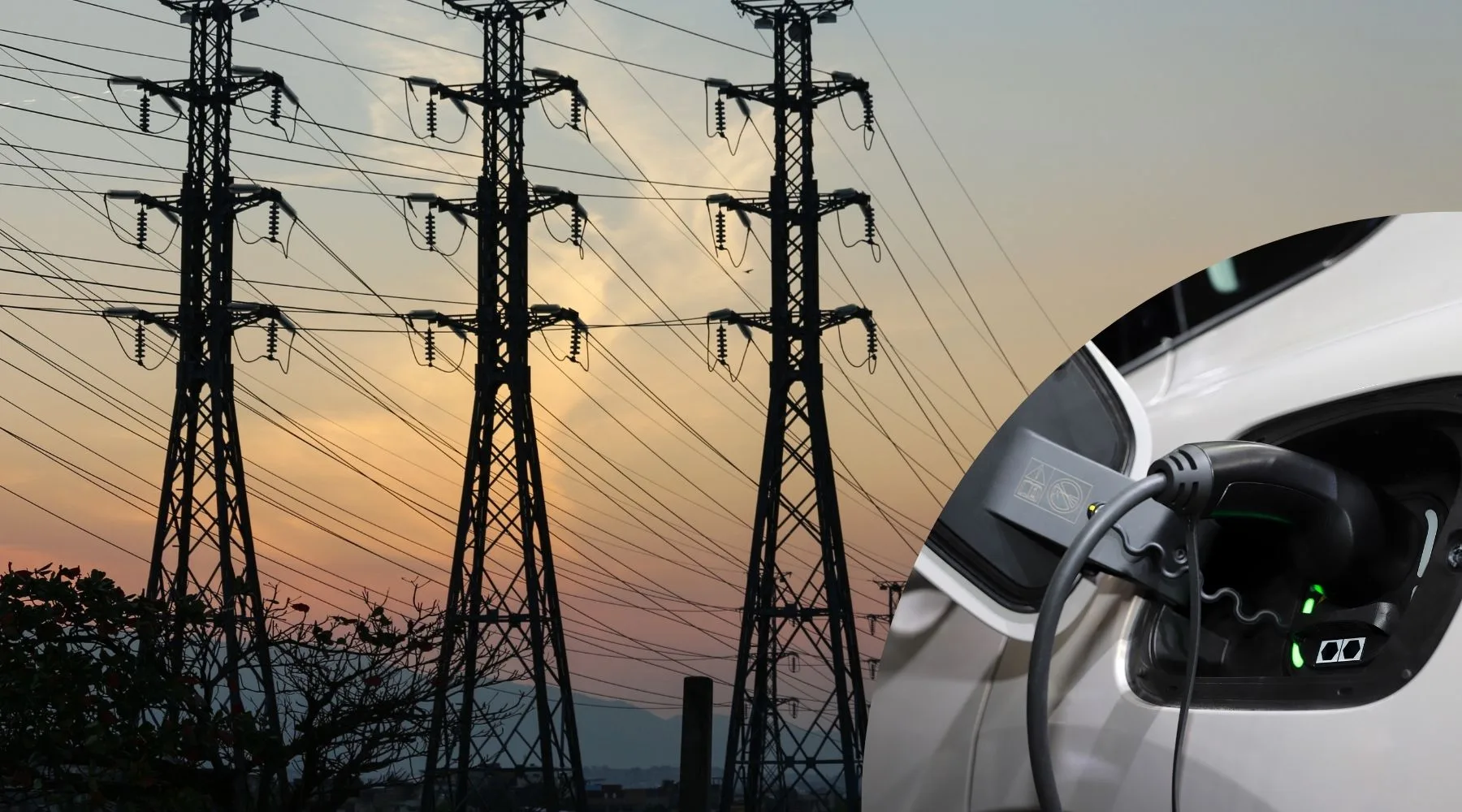
Your power bill could rise for the next five years to help fund thousands of new EV chargers across Australia.
The Australian Energy Market Commission (AEMC) has given preliminary backing to a proposal that would allow electricity network companies to play a role in delivering public EV charging infrastructure.
These are the businesses that own and maintain the poles and wires that deliver electricity to your home.
The proposal is part of a $40 million federal government program designed to get around 14,000 EV chargers into areas where they're needed.
This includes places that may not be commercially attractive to private charging operators.
That's on top of Australia's existing public charging network, which currently has just over 5,000 public charging sites, though each site can have multiple charging points.
So why is my bill going up and by how much?
The federal government will cover about 30% of the infrastructure costs.
The other 70% would come from electricity customers through regulated network charges.
So you could contribute to the cost through your power bill whether or not you drive an EV.
The AEMC estimates this would add around $1 a year to a typical residential electricity bill for five years.
The AEMC says the program is deliberately limited and would only apply to infrastructure delivered under this specific Commonwealth scheme, which is due to run for five years from mid-2029.
Why does the AEMC want networks involved?
The AEMC says the plan is intended to help address gaps in Australia's charging network, particularly for people who don't have access to off-street parking and for drivers in regional areas.
AEMC chair Anna Collyer said the program could help keep charging infrastructure in step with the growing number of EVs on Australian roads.
But the proposal has attracted criticism from parts of the charging industry.
Ross De Rango, director of Vehicle Charging Solutions Australia, told the ABC that private companies are already competing to build public charging infrastructure. He questioned why electricity networks need to step in and build them too.
The National Electrical and Communications Association also criticised the proposal, arguing that electricity customers shouldn't have to fund EV charging infrastructure through their bills.
The AEMC, however, says the program's targeted and time-limited design means its likely benefits, including emissions reductions and better access to charging, outweigh the costs to consumers.
What happens next?
The proposal isn't final yet.
Consultation on the AEMC's draft determination is open until 5 November 2026, with the regulator due to make its final determination by 17 December 2026.
Sources
Ask a question