Can’t afford Melbourne property? Then forget Brisbane, Adelaide or Perth


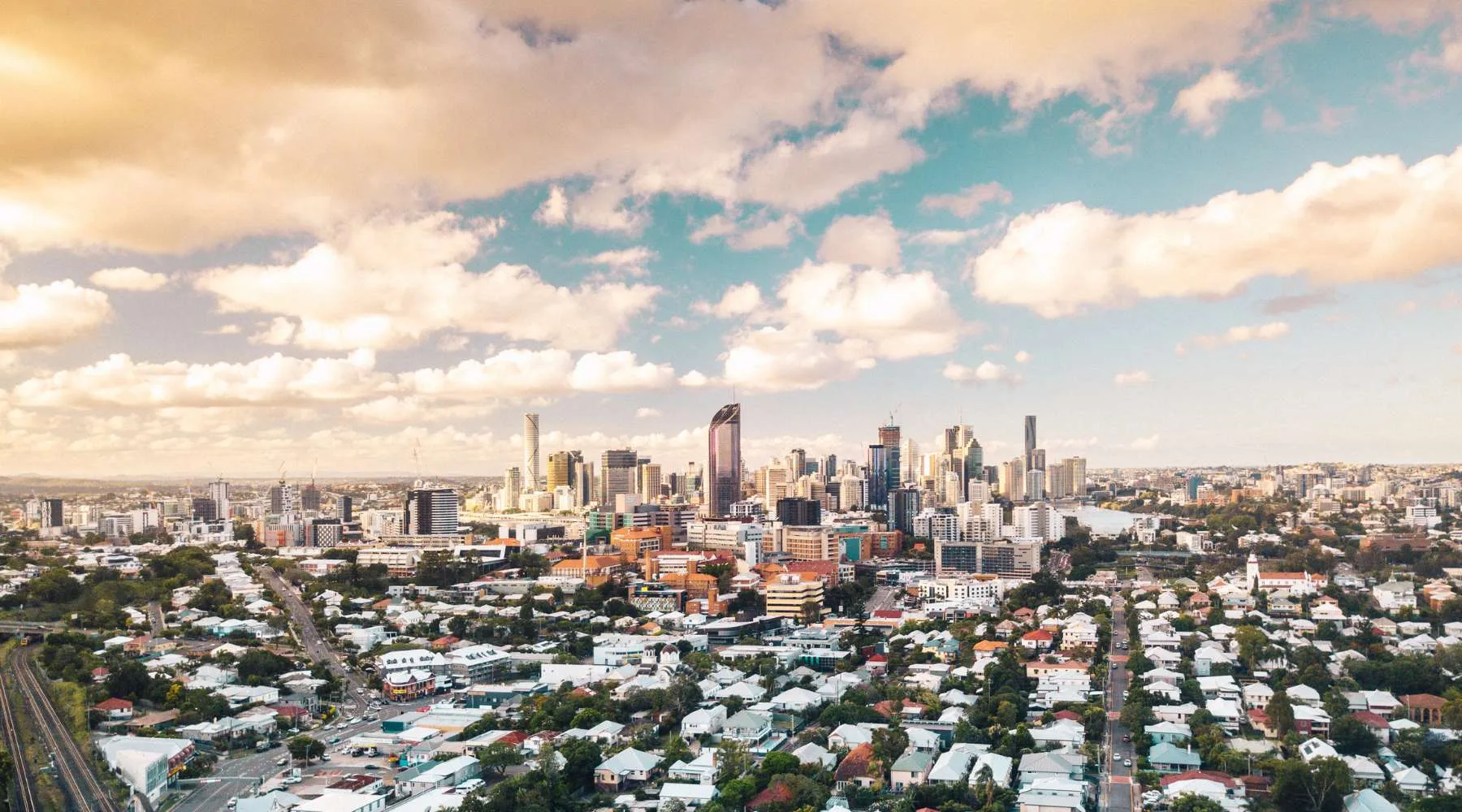
Somehow Australia's second biggest city is one of the cheapest. Which still isn't very cheap.
Real estate agents might lie but property data doesn't: Melbourne is one of Australia's cheapest major cities.
Median property prices are higher in Sydney (duh), Canberra (nothing new there), Brisbane, Adelaide (oh) and Perth.
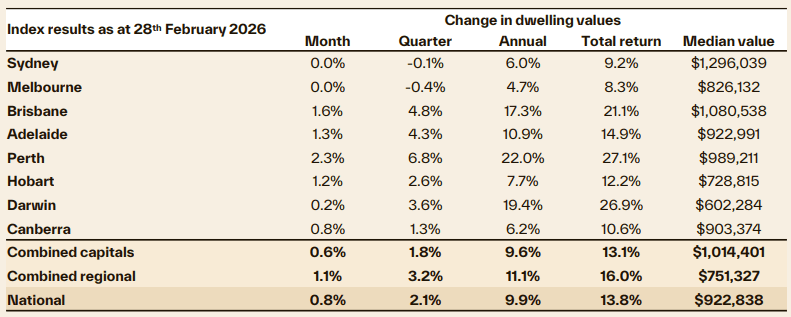
Source: Cotality
That's according to the latest Cotality Home Value Index. And it's not just true for the state capitals. Property is more expensive in areas like Newcastle/Lake Macquarie and Wollongong.
Looking to buy?
Get the right home loan
This is bad news for first home buyers. Because no one will tell you that Melbourne is a cheap place to buy a house. It's not.
It's just that property prices have risen everywhere, and places that were once cheaper have seen blistering growth.
Consider these annual growth rates:
- Sydney: 6%
- Melbourne: 4.7%.
- Hobart: 7.7%
Very nice. Now make sure you're sitting down for these ones:
- Canberra: 10.6%
- Adelaide: 10.9%
- Brisbane: 17.3%
- Perth: 22%
Let's say you were eyeing off an $800,000 Perth property 12 months ago. At 22% annual growth that house could cost $976,000 today.
The mind boggles, the wallet weeps.
Units, houses, it doesn't matter
On looking at this data you might think that Melbourne prices are lower on average because the city has so many apartments.
But if you split the median prices out by unit and house Melbourne is still cheaper.
The median Melbourne house price ($977,579) is lower than the Adelaide equivalent ($980,815).
The median Adelaide unit is $675,818. In Melbourne it's $642,431. It's the same story in Perth too.
Brisbane is particularly striking. The median house price there is $1,175,981, which is 20% higher than Melbourne.
While unit values are stronger in other markets, supply is still a big part of the reason Melbourne prices are lower.
Supply matters
Victoria builds more homes than any other state, and has done so consistently for the last few years. In the first three quarters of 2025 Victoria saw 42,888 homes completed, versus 36,104 in NSW and 29,370 in Queensland.
Prices are also a reflection of who's selling. Cotality research director Tim Lawless says that counter-cyclical price movements (where Sydney and Melbourne aren't leading property price growth) do happen.
"The mid-sized capitals continue to see support from extremely low inventory levels, which is boosting the growth in values.
"Vendors are looking more motivated in Sydney and Melbourne, possibly looking to beat a further softening in selling conditions as clearance rates ease and demand slows."
Interest rates have now increased twice in early 2026, which will definitely affect property prices across the board as borrowers face higher interest charges. But how this affects prices city by city remains to be seen.
Sources
Ask a question