Why Halloween is the scariest night of the year for dog owners


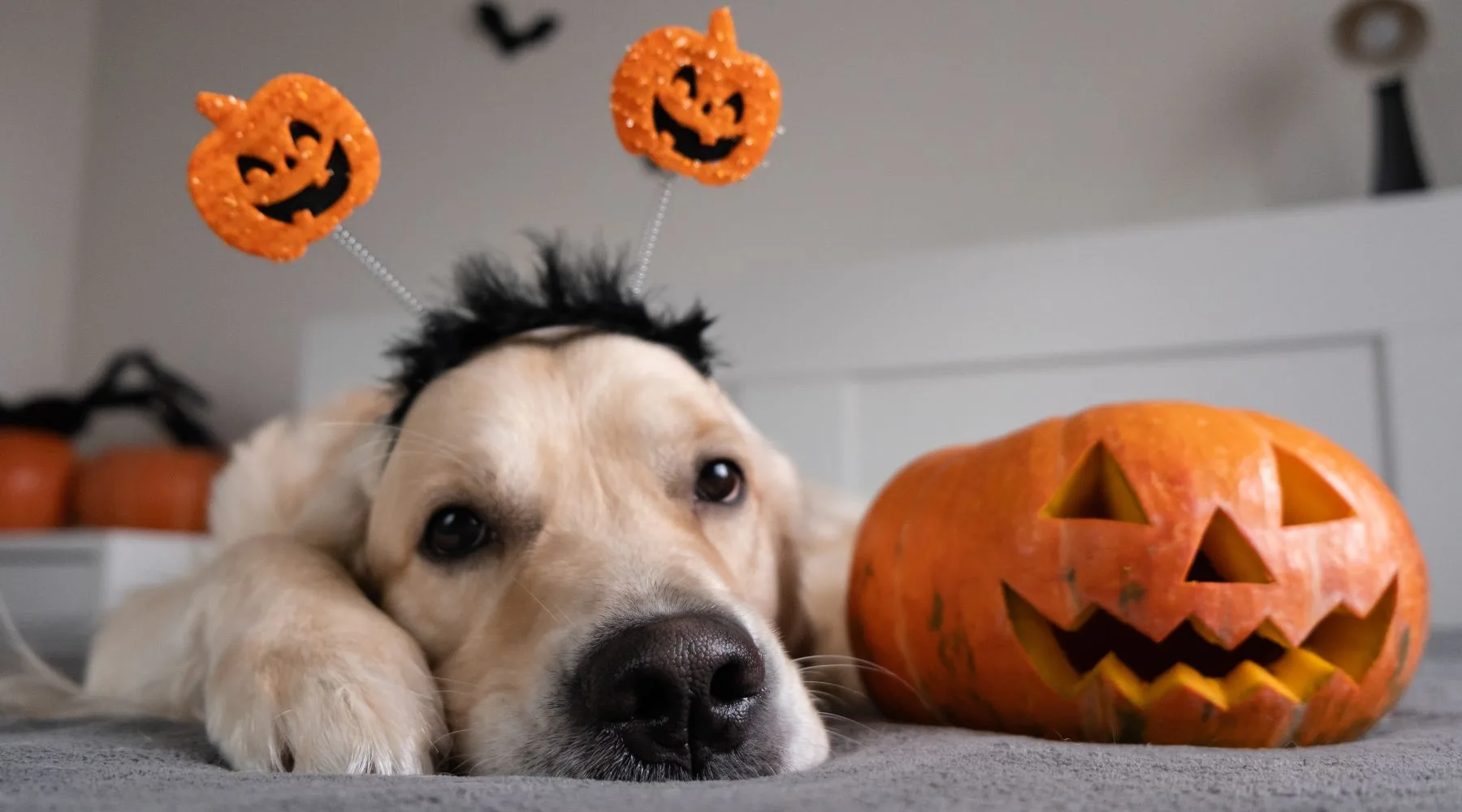
As many households prepare for a sea of ghosts, zombies and witches this Friday, pet owners are reminded to stay vigilant over their furry friends.
During my early days as a dog owner, my puppy Maple, who was 3-months old at the time, decided I needed a Friday the 13th moment by stealing chocolate off my coffee table.
After rushing to the vet with tears in my eyes, the nurse compassionately told me how common the ordeal was, with Easter, Halloween and Christmas being the busiest times of year for chocolate toxicity.
Chocolate contains theobromine, a natural chemical compound found in cacao beans, and caffeine, both of which are toxic to dogs as they cannot metabolise it as fast as humans can.
"Chocolate toxicity remains one of the most common causes of emergency vet visits during holiday periods. Dogs, in particular, are at high risk due to their keen noses and willingness to gobble up anything," said Pet Insurance Australia spokesperson, Nadia Crighton.
"Xylitol, a common sweetener found in many sugar-free lollies and gums, is highly toxic to dogs," Crighton warned. "Even small amounts can cause a dangerous drop in blood sugar or liver failure."
The most common signs of chocolate toxicity
While I hope you get as "lucky" as I did to catch Maple in the act, dogs are sneaky and can inhale things in seconds without you knowing. Some of the signs to watch out include:
- Vomiting
- Diarrhoea
- Tremors
- Seizures
- Rapid or abnormal heart rate
Need pet insurance for your pup?
Start comparing
Is chocolate toxicity covered under pet insurance?
To rid the body of any poisoning, vets will often induce vomiting through an apomorphine injection. In Maple's case, she also received an injection to reverse the effects of the apomorphine and was back to normal within minutes.
Then, I had to pay the bill.
Fortunately, most comprehensive pet insurance policies will cover accidental chocolate ingestion, with many listing the event under accident cover.
"Emergency vet visits can quickly add financial strain to the spooky season," says Crighton.
"The average claim for toxicity and foreign-body ingestion in dogs was over $1,000, with some surgical cases costing more than $40,000."
Of course, prevention remains key for dog owners.
Ensure a safe and happy Halloween for everyone in your household by keeping the sweet stuff out of reach and reminding little ones to never share their stash with furry friends.
Ask a question