These are the groceries blowing up your weekly supermarket budget

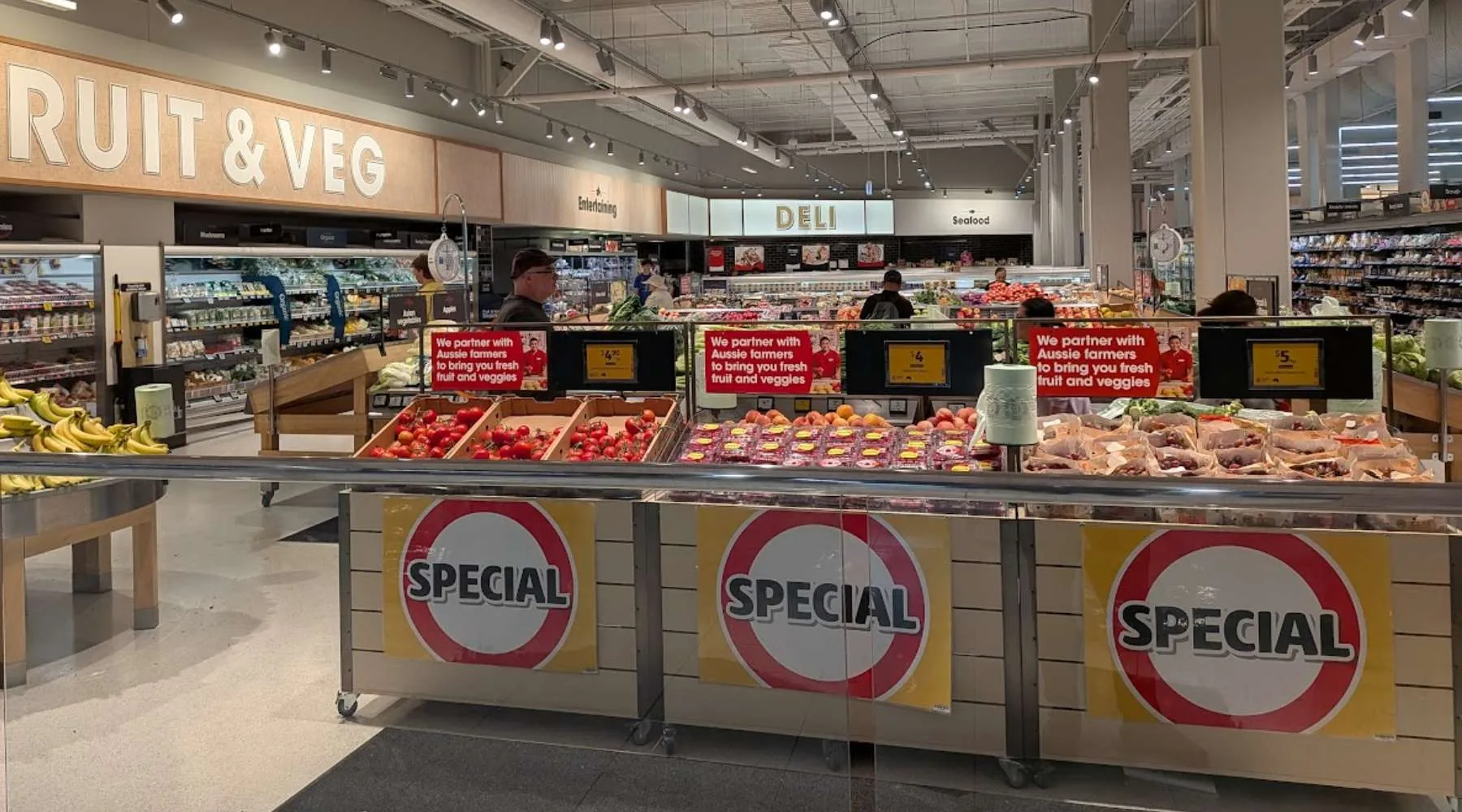
Inflation has hit groceries hard. Here's how to beat the supermarket at the grocery game.
Rising grocery prices are hitting Australians hard. Finder research shows the average weekly grocery spend was $157 in early 2022. It's now $207 a week.
While it feels like everything in the supermarket has become more expensive, certain grocery categories have seen much higher price inflation than others.
This is due to multiple factors like changing weather patterns, changes in consumer demand and increased transportation costs.
Here are the grocery items hitting your wallet hardest, and what you can do about it.
Want more out of your shop?
Get a credit card that earns you points
1. Chocolate
Weaker cocoa harvests thanks to climate-induced bad weather, plus strong demand have driven chocolate prices up.
Looking at this Coles catalogue from 2023 you used to be able to get a 180g block of Old Gold Chocolate for $5.50 before it was on special. Today it's $8.
Easter eggs have become particularly expensive. This is likely because while chocolate prices are higher generally, it's often easier to pass higher costs onto consumers for special seasonal items.
And when prices are low, some items might be smaller than in the past (the old shrinkflation trick).
2. Cooking oil
Cooking oil has seen high inflation generally, but olive oil is particularly expensive.
Droughts in parts of Europe have pushed olive oil prices up by as much as 40% in the last few years.
In 2023 a La Espanola Extra Virgin Olive Oil 1 litre was $20 (and $10 on special), now it's $26. That's a brutal 30% increase in 3 years.
3. Coffee
Prices for a bag of coffee beans jumped massively in 2024 and 2025, thanks to a weaker Aussie dollar and (this is getting familiar) extreme weather conditions and increased transportation costs.
Although harvests have improved recently, prices are still high. It wasn't that long ago a 1kg bag of Coles Urban Coffee Culture beans cost $13.
Now it goes for $24. So much for the old money saving tip of making your coffee at home!
4. Meat
Beef and lamb prices have risen over 10% in the last 12 months, according to ABS statistics.
This is partly due to weather conditions, a correction due to an oversupply of lamb in years past and increasing demand for Australian lamb overseas.
Chicken prices have stayed much more stable.
9 ways to make your supermarket shop work for you
- Eat fresh. Seasonal fruit and vegetables tend to be much cheaper than red meat and packaged food items. While some things like cheese have become much more expensive, fresh fruit and vegetables fluctuate in price and can get cheaper depending on the weather and recent harvests. Price rises on packaged goods tend to be locked in.
- Plan your meals. It's much easier to stick to a budget and avoid overspending when you know exactly what you're cooking and how much you'll need.
- Shop around. It's not really practical for everyone to just "shop at Aldi" and there are limits to the savings of shopping at multiple stores versus the convenience of a single shop (your time is valuable too).
- Stick with store brands (when it works for you). Figure out which store or no name brand products are just as good (for me, Coles own brand coffee beans are just fine but a more serious coffee drinker would probably disagree, strongly).
- Plan around sales where you can. The gap between a sales price and the regular price can be enormous. It's worth waiting to buy expensive items with a longer shelf life like (cooking oil, oats, protein powder) when they're on special. 2 for 1 deals (like on chocolate) can sometimes bring items back to the prices of years past. You just have to resist eating it all in one go.
- Lift your culinary game. The more you diversify your diet and culinary range, the more options you have at the supermarket and the more you can save. A confident cook can adapt recipes based on what ingredients are currently cheap and fresh, and find uses for the bits and pieces that might otherwise end up in the bin.
- Take advantage of long life pantry staples. Man cannot live on beans alone, but tinned goods like chickpeas, beans and tomatoes are more inflation-resistant than most items, and they're filling and nutritious. Plus, if you're willing to spend the time soaking and cooking dry beans and lentils, you can stretch a couple of dollars to a series of hearty meals.
- Play the points game. The only upside to spending more money on groceries is that you can earn more points. Both Coles and Woolworths offer points (Flybuys and Everyday Rewards respectively). But the real value is these points convert to frequent flyer points (Flybuys to Velocity Points and Everyday Rewards to Qantas Points). With the right credit card you can earn even more points, and redeem them for reward flights. If you travel even just a couple of times a year this can save you a lot.
- Take advantage of supermarket memberships. Both Coles and Woolworths offer different membership programs that easily pay for themselves. I pay $7 a month for Coles Saver to earn double Flybuys and get 10% off one shop a month. As long as I spend more than $70 it quickly pays for itself. The Woolworths Everyday Extra membership gives you a very similar offer.
Sources
Ask a question