Aussies turn to electric vehicles, but is it worth it?

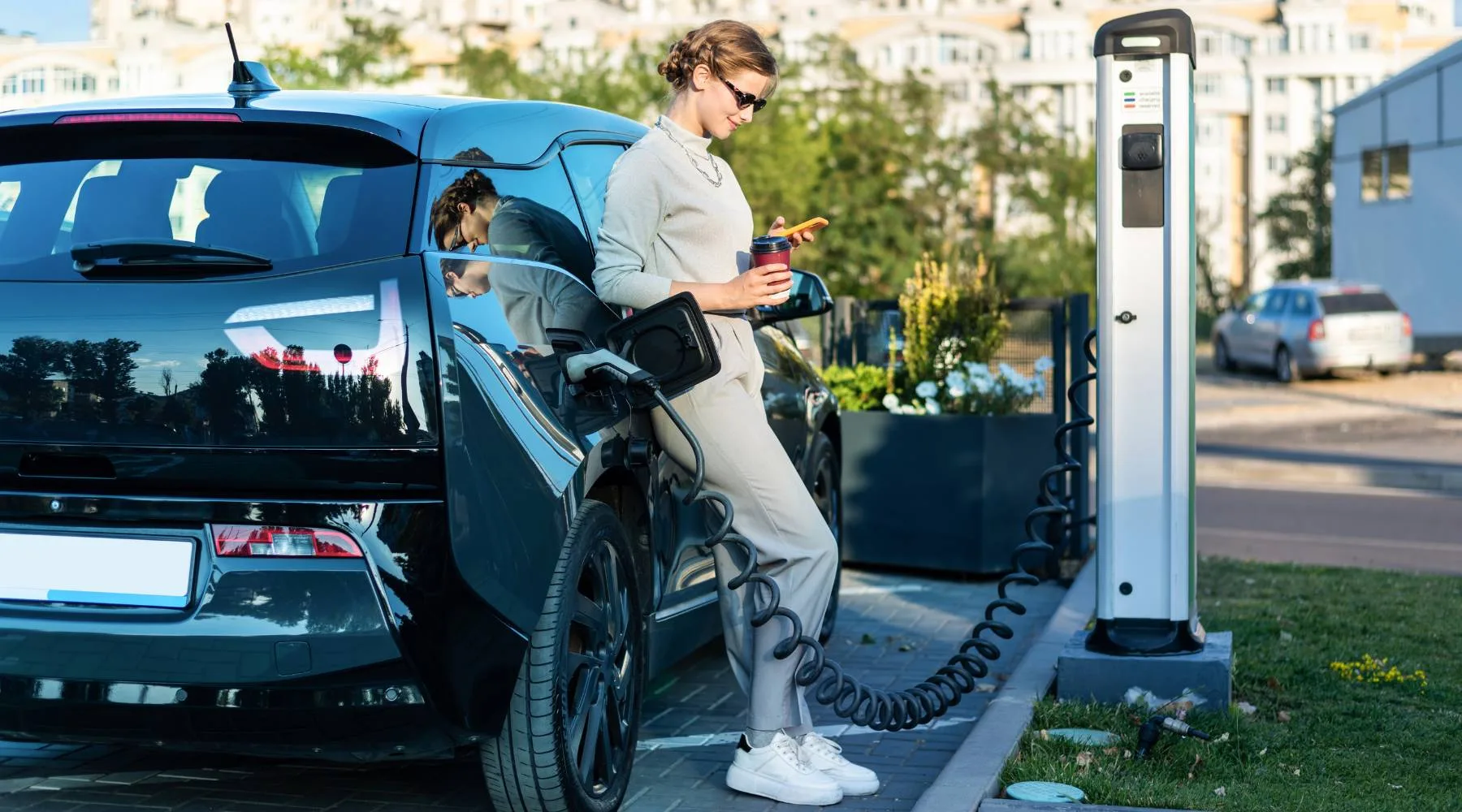
Electric vehicle sales are growing as drivers look for alternatives to fuel costs.
Drivers sick of paying for elevated fuel costs have been heading to the dealership to swap out the pump for the plug.
Electric vehicles reached their highest share of cars sold in March 2026. Of all the vehicles sold, EVs made up 14.6% of them. To put that into perspective, in the same month last year they made up about 7.5% of all vehicles sold.
Although the number of electric vehicle sales has been growing for a while, climbing fuel prices over the last couple of months has spurred more Australian car buyers to switch to a battery-operated car.
Thinking of going electric?
Keep your new EV costs low by finding a low interest rate car loan.
Will you actually save money with an electric vehicle?
The cost of charging an EV isn't free: it still requires you to use electricity.
But according to calculations from car loan provider Savvy, you could save up to $1,210 a year by driving an EV* compared to driving a petrol car. With a diesel vehicle the savings are even higher - almost $2,000.
You're likely to have other savings as well, which are hard to put a clear price on, such as service and maintenance costs. On the other hand, batteries will need to be replaced every decade or so.
The larger problem has been the upfront cost of EVs, which are typically more expensive than fuel-run cars. But more affordable vehicles are now on the market, making it a much more realistic option for most people. Novated leasing also provides a cost-effective way to drive an electric car.
Infrastructure still not keeping pace with growth
Whether it's to cope with the rising cost of fuel or drivers have simply supercharged a trend that was already happening, EV sales have jumped considerably. EV brand BYD has become Australia's most popular provider of electric vehicles. It sold the third most number of cars in the country in March.
Federal Chamber of Automotive Industries chief executive, Tony Weber, said the EV industry has invested to bring more than 100 EV models into market, but more work needs to be done on public charging infrastructure: particularly in regional areas and where home charging isn't practical.
"Ensuring infrastructure keeps pace with consumer demand will be critical to enabling sustainable growth in EV adoption beyond short-term influences," Weber said.
*Source: Savvy. Calculations based on someone in Sydney driving a Mazda3 12,000km a year, using petrol prices on 29 March 2026 and electricity prices in January.
Sources
Ask a question