The secret lives of Aussie spenders: 1 in 4 hide money from partners


A wave of financial deceit is sweeping through Australian households, according to new research by Finder.
A Finder survey of 1,017 respondents, 591 of whom are in a relationship, found more than 1 in 4 (27%) are secretly racking up debt, opening bank accounts, and even gambling money – all without their partner's knowledge.
The research found 1 in 10 (10%) have secretly accumulated debt via a credit card or personal loan, while 9% have opened a bank account or credit card in their name only.
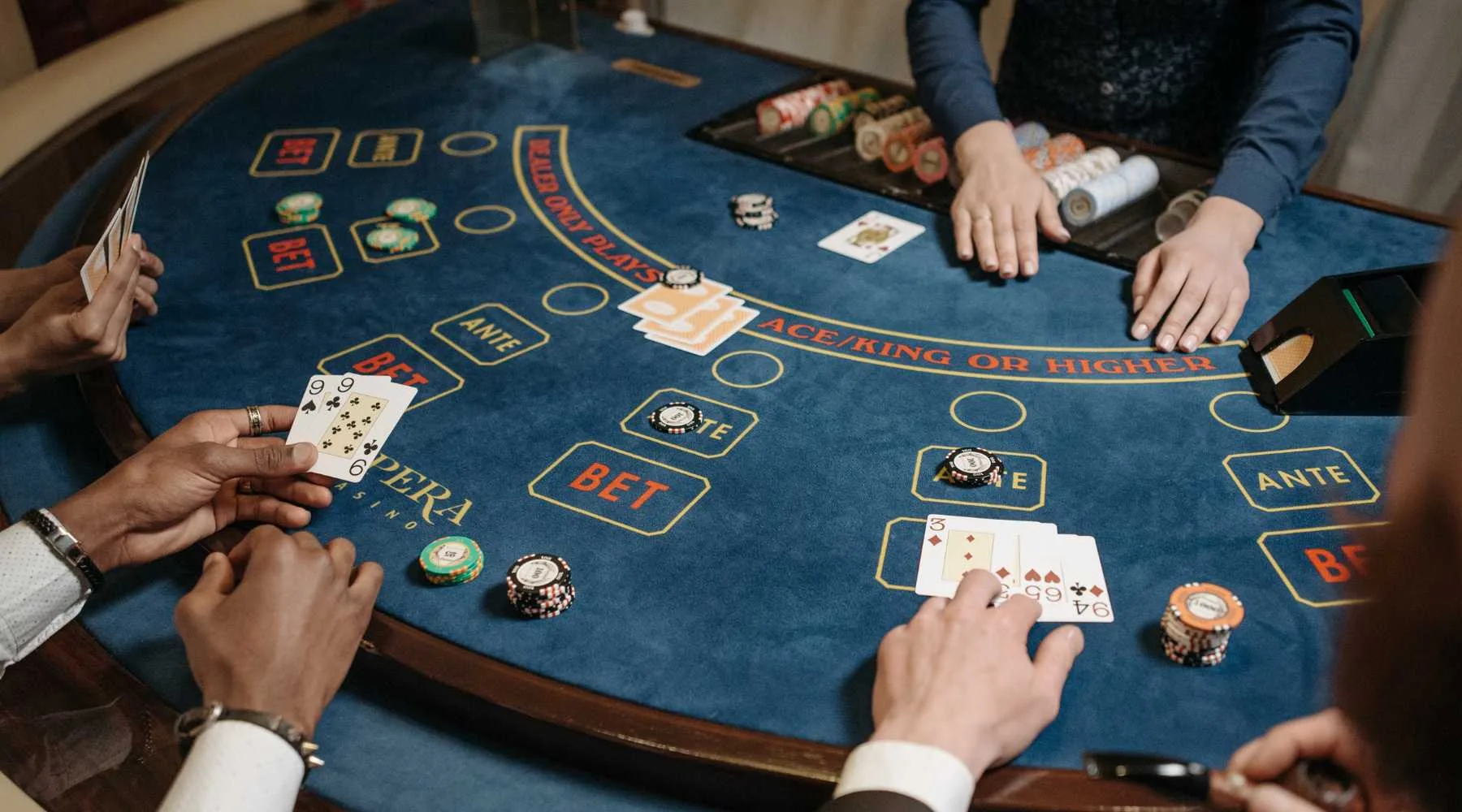
The same proportion (9%) confessed to gambling in secret.
Other covert money moves include financially helping out a family member or friend without disclosure (8%), making a significant purchase like a car or luxury item (7%), investing or selling investments without discussion (6%), and even withdrawing large sums from a joint account (4%).
Sarah Megginson, personal finance expert at Finder, said the widespread level of deception amongst partners is worrying.
"Keeping financial secrets from your partner can be just as damaging as emotional or physical betrayal when it comes to breaking trust.
"This type of behaviour can create financial chaos, wreck your credit, and in some cases, lead to relationship breakdowns. Money is a deeply emotional topic and secrecy only compounds that.
"Especially if you are in a longer-term relationship, their money might be yours – and vice-versa – in the event that you decide to go your separate ways."
Megginson said that while some might justify secretive spending or financial decisions as harmless, the long-term consequences can be serious.
"Whether it's hiding debt, secretly punting thousands on the ponies or investing joint money without your partner's input, these actions can spiral.
"You might think you're shielding your partner, but you're actually adding risks to your future together.
"Love is first and foremost about trust. Open conversations about money – the good, the bad, and the ugly – are the only way to build financial intimacy and security."
Megginson said sometimes, secret spending and hiding purchases can be a sign of financial abuse, and urged anyone who feels like their partner controls their spending to seek help.
"You can speak to a financial counsellor at the National Debt Helpline for free – their services are confidential and they can help you create a plan to move forward if you're stuck in a difficult financial situation.
"Create a safe space for discussing finances regularly and be upfront about both individual and joint goals.
"If you're scared to tell your partner about a money decision, it's a sign something deeper might be wrong – either with your financial habits or the relationship itself."
Have you done any of the following secretly without telling your partner?
| Accumulated debt (e.g. credit card, personal loan) | 10% |
| Opened a new bank account or credit card in my name only | 9% |
| Gambled money | 9% |
| Helped a family member or friend financially | 8% |
| Made a significant purchase (e.g. car, major appliance, luxury item) | 7% |
| Invested or sold investments without their knowledge | 6% |
| Withdrawn a significant amount of money from a joint account | 4% |
| No, I have not done any of these secretly | 73% |
| Source: Finder survey of 1,017 respondents, 591 of whom have a partner, June 2025 |  |
Methodology
- Finder's Consumer Sentiment Tracker is a monthly recurring nationally representative survey of more than 60,000 respondents.
- Figures in this release are based on 1,017 respondents from June 2025.
- The Consumer Sentiment Tracker is owned by Finder and operated by Qualtrics.
- The survey has been running monthly since May 2019.
Ask a question