Will you pay more for energy with the 3 hours of free electricity offer?


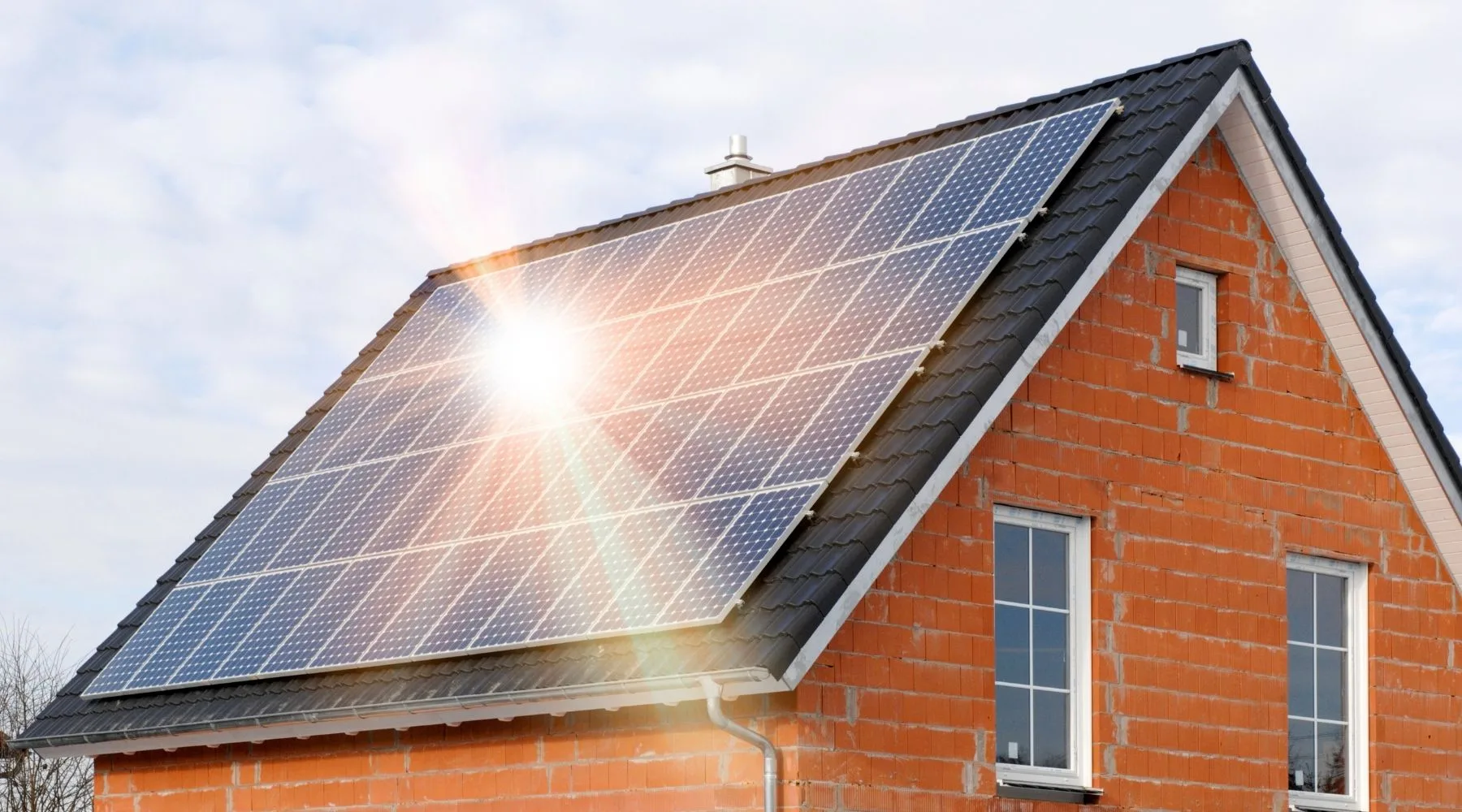
Origin Energy and EnergyAustralia are pushing for a delay to the Solar Sharer offer, warning it could lead to higher electricity prices at other times of day.
Here's a quick recap of the 3-hours-of-free-electricity scheme, also known as the Solar Sharer offer, before we get into the concerns raised during the consultation process.
What's the 3-hours-of-free-electricity scheme again?
The Solar Sharer offer was introduced by the Labor government late last year.
It will require energy retailers to offer households at least 3 hours of free electricity in the middle of the day.
It's pencilled in to roll out by mid-2026 in New South Wales, South-East Queensland and South Australia, and then other states and territories the following year.
You will need a smart meter to opt into the Solar Sharer plan.
Why are Origin Energy, EnergyAustralia and others concerned?
Submissions were made by energy retailers as well as industry bodies, including the Clean Energy Council, Energy Consumers Australia and the Energy Efficiency Council.
After wading through the nitty-gritty, here's the gist of what we found.
There appears to be general consensus that Solar Sharer will be beneficial.
It'll help households reap the benefits of all the solar power being generated - even if they don't own solar panels.
However, there are mutual concerns that if it's not implemented correctly, it may hurt consumers. So the design really matters.
1. Potential price increases outside of 'free hours'
This is one of the biggest concerns.
Offering energy usage rates of $0 per kWh for 3 hours every day, without addressing the underlying costs, could backfire.
These underlying costs include network tariffs, which make up around 40% of a customer's energy bill.
In its submission, Origin Energy said: "Energy is not costless, regardless of what time of day it is delivered. Even during periods of low demand or excess supply, retailers incur wholesale, network and retail operating costs.
"To ensure the market functions effectively and efficiently, retailers must be able to recover the costs they incur in providing energy during the designated zero-cost period."
Energy Consumers Australia showed similar concerns, stating that the free period should actually be free.
The design 'must make sure the costs aren't just shifted around'.
Haven't compared energy plans in over 12 months?
You could be missing out on a cheaper deal.
2. Renters and low-income households could lose out
The Solar Sharer offer was introduced to share the benefits of solar power all around.
However, not everyone will be able to shift energy-intensive activities to this 3-hour window.
"There is evidence that shows that low-income households are those who are most likely to shift consumption but are unable to, or do not have the right equipment," EnergyAustralia said in its submission.
"In contrast, those most likely to benefit are customers with batteries who have the flexibility to load shift by charging during the free periods and discharging later."
3. Consumers need good information
For some context, the Solar Sharer plan would be a 'reform' to the Default Market Offer (DMO), which the Australian Energy Regulator sets each year on 1 July.
The DMO is the maximum price retailers can charge on a standing offer plan.
It applies to households in NSW, SA and South-East Queensland who don't shop around and instead stay on their retailer's default electricity plan.
Retailers will offer the Solar Sharer plan as a new regulated standing offer.
But because people have to actively opt in, it's unclear whether the plan will reach the households that standing offers are supposed to protect.
According to the Energy Efficiency Council submission, the government will need to "provide clear, accessible consumer resources explaining how the Solar Sharer standing offer operates compared with other retail offers".
"These resources should also explain that accessing the full benefits of the Solar Sharer Offer requires flexible appliances, and that a home's thermal and energy efficiency levels will influence consumer costs under the Solar Sharer Offer.
"If consumers do not understand their energy-use patterns or which demand can be shifted, they cannot make a fully informed assessment of potential bill impacts."
Final thoughts
There is broad support for offering three hours of free electricity each day.
However, there's consensus that the scheme must be well-designed, fair, supported by wider reforms and clear about how it works and who benefits.
We reached out to AGL for its submission, but unfortunately, it isn't available to the public.
However, the energy giant said it was already offering a 'Three for Free' plan in South Australia, where residents won't have to pay for power between 10am and 1pm daily.
Sources
Ask a question
Why is there such a big difference in daily supply charges between retailers. It’s the same infrastructure used no matter who you sign up with.
The government should look at that as the retailers just move the figures around. Give with one hand and take with the other.
Hi Rod, the network sets a baseline charge, but you’re right — retailers ultimately decide how much you pay. Unfortunately, only standing offer plans have regulated usage rates and supply charges. Market offers, on the other hand, are largely left to the discretion of energy retailers.
The best general advice I can give is to look at both the usage rate and the daily supply charge when comparing energy plans, as they work together to determine your overall cost.