Energy retailers will be forced to email you cheaper offers


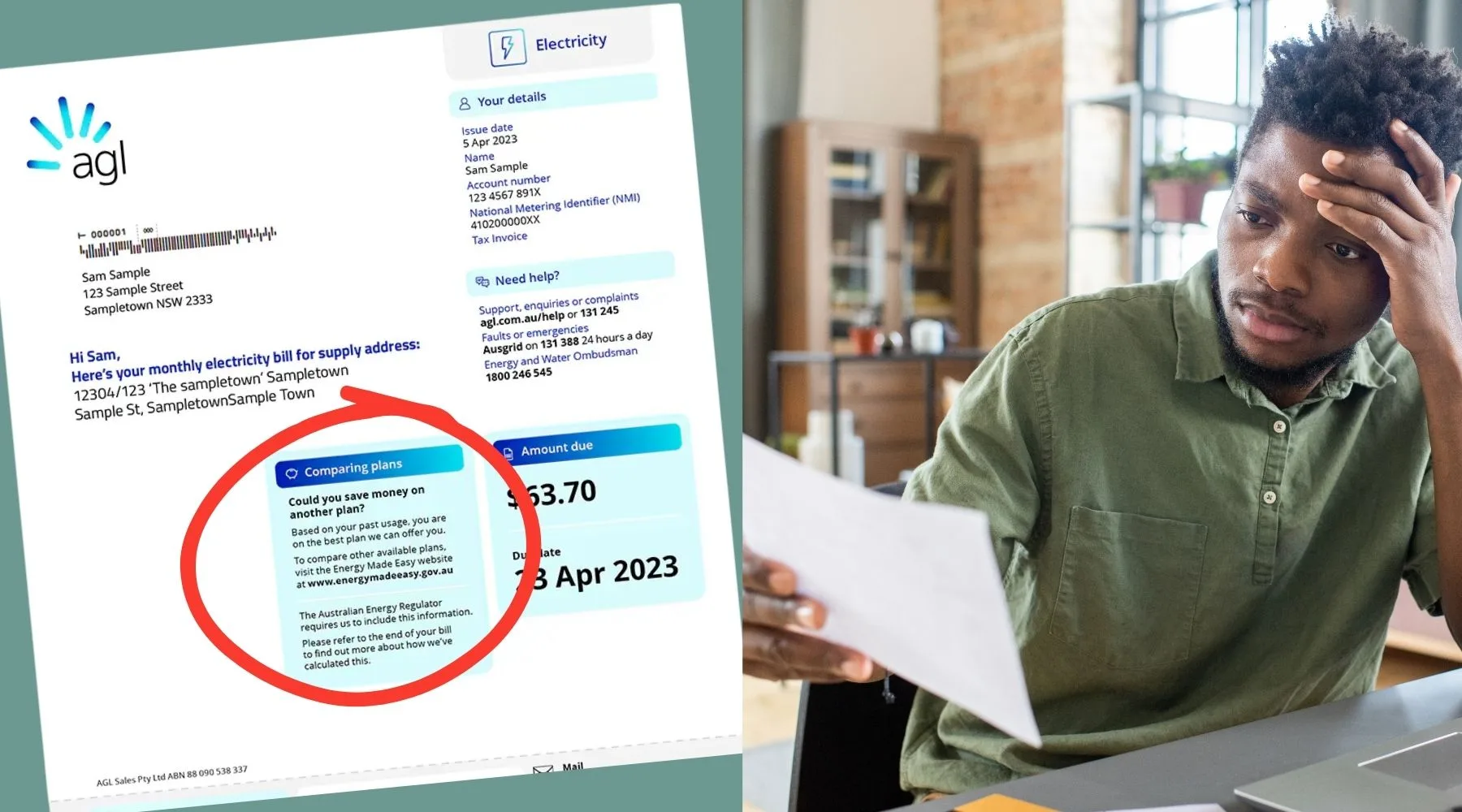
New energy rules mean companies have to email you if you're paying too much – but they have some time up their sleeves.
The Australian Energy Market Commission (AEMC) will make it simpler for Aussie households and small businesses to be notified of a cheaper energy plan with their existing retailer.
How will the new rule for energy bills work?
Right now, energy retailers are already obligated to show you a 'better offer' message on the first page of your energy bill at least every 100 days.
While these guidelines have been in place for a while, people have either missed the message when reviewing their bill or, as the AEMC found, nearly half of customers don't even open their bill.
To make it more prominent, your retailer will now have to clearly display whether they have a cheaper plan available.
They'll do this through whichever channel they normally use to send your bill - like email.
AEMC chair Anna Collyer said there's evidence showing better visibility over what's on offer will increase engagement.
"Energy bills can be complex, and many customers are busy, leading large numbers to disengage and potentially miss out on better plans," Collyer said in a media release.
This final rule is like placing important price information on the shopfront, making it clear, upfront and hard to miss. More informed customers make better financial plans, which in turn improves competition in the energy retail market.
Haven't compared energy plans in over 12 months?
There's a good chance you're missing out on a cheaper deal.
When does the new energy rule take effect?
While this is great news for energy customers, the catch is the new rule won't kick in until 30 December 2026.
However, the 'better offer' message still appears on the first page of your energy bill, so you can spot potential savings.
One of my colleagues at Finder recently got a shockingly high energy bill for the month ($450!!), and asked me for help.
The first thing I checked was whether she could switch to a cheaper plan with her existing provider, and lo and behold, she could, saving up to $195 over the year.
The best advice is to always check your energy bill, not just when it's unexpectedly high, and to compare plans, at least once every 12 months.
According to our database, the difference between the cheapest and most expensive plans can exceed $500 a year.
Sources
Ask a question