Breaking point: 9.2 million Aussies have less than $1,000 in savings


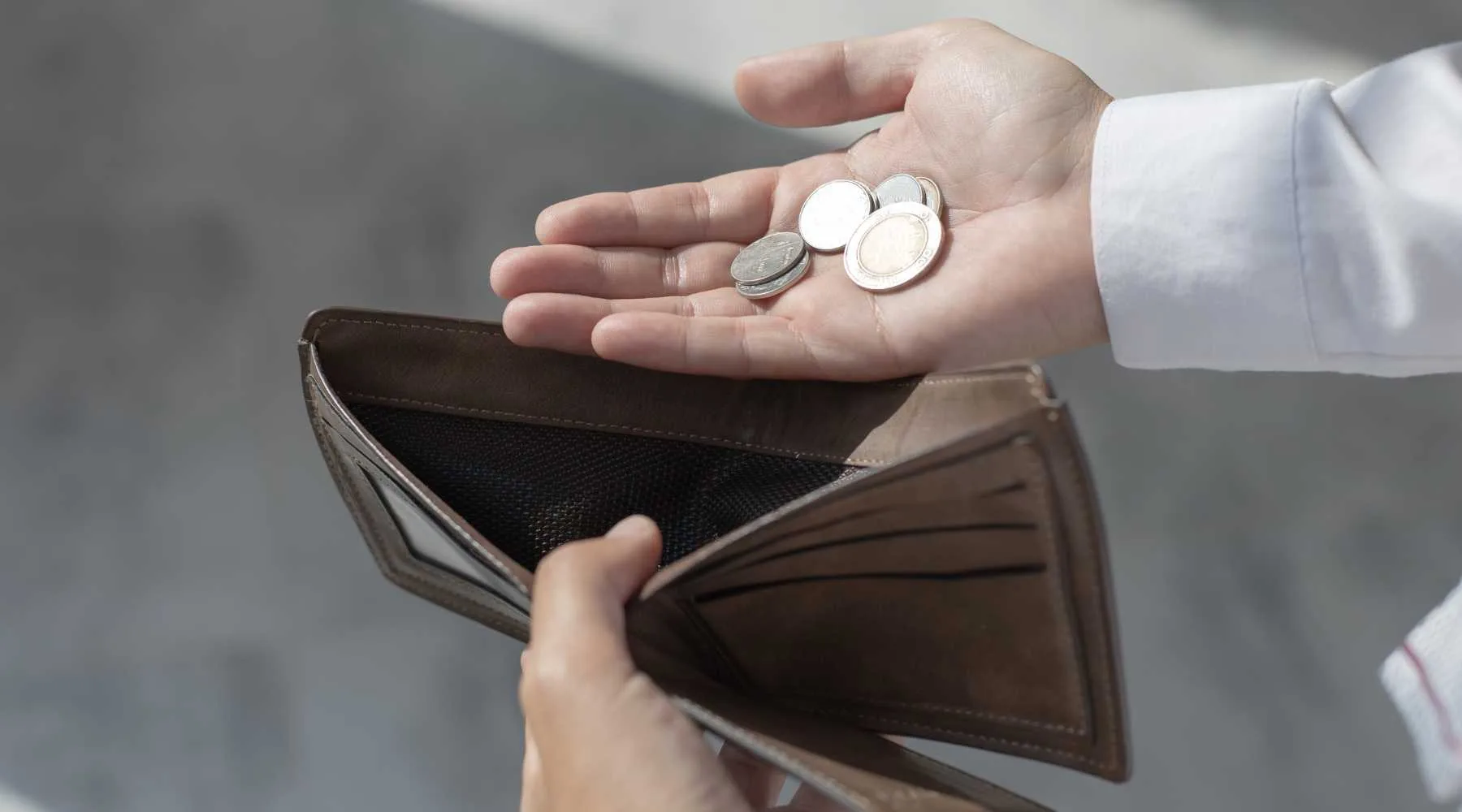
Millions of Australians are one unexpected bill away from crisis, according to new research by Finder.
Finder's Consumer Sentiment Tracker of 1,310 respondents revealed 2 in 5 (43%) Australians – equivalent to 9.2 million people – have less than $1,000 in their bank account.
Of those who have less than $1,000 on hand, the average bank balance is just $215 – barely enough to pay for groceries.
More than half (52%) admit they are living month to month, and shockingly, almost 1 in 5 (18%) – equivalent to 3.8 million people – say they have $0 in savings.
However, there's a stark contrast between the haves and the have nots, with the average Australian reporting to have a staggering $43,007 in the bank.
Sarah Megginson, personal finance expert at Finder, said Australian households are facing unprecedented financial pressure, with many pushed to their absolute limits.
"The nation's savings crisis has hit a breaking point, and it's pushing millions to the edge of financial ruin.
"For many households, even an unexpected minor expense like a cracked windscreen or an emergency trip to the dentist, it would be enough to cause serious financial stress."
Megginson said those households with lower savings don't have as much of a savings buffer, so they're at a higher risk of falling into debt.
"While tools like credit cards, personal loans, and buy-now-pay-later services can be helpful, using them for everyday expenses can quickly lead to a spiraling financial situation."
Megginson said ideally, Aussies should aim to build an emergency fund equivalent to three months of living expenses, so you have enough to cover you in an emergency.
"You can find a number of areas where you can save on everyday expenses – saving $50 on your monthly car insurance, for instance, could add up to an extra $600 by the end of the year.
"Parking your savings in a high-interest savings account can also boost your balance compared to a standard transaction account.
"For instance, a recurring investment of $150 a month into a high-interest savings account paying 5% interest could grow to $5,813 in just three years."
How much do Australians have in savings?
| Average Australian | Household income of less than $10,000–$49,999 | Household income of $50,000–$99,999 | Household income of $100,000–$250,000+ | |
| Percentage with less than $1K in savings | 43% | 56% | 37% | 21% |
| Percentage with $0 saved | 18% | 25% | 15% | 7% |
| Source: Finder's Consumer Sentiment, May 2025 |  |
Sources
Methodology
- Finder's Consumer Sentiment Tracker is a monthly recurring nationally representative survey of more than 60,000 respondents.
- Figures in this release are based on 1,310 respondents from May 2025.
- The Consumer Sentiment Tracker is owned by Finder and operated by Qualtrics.
- The survey has been running monthly since May 2019.
Ask a question