iPhone Duo first impressions: I hate Apple for getting a lot right here


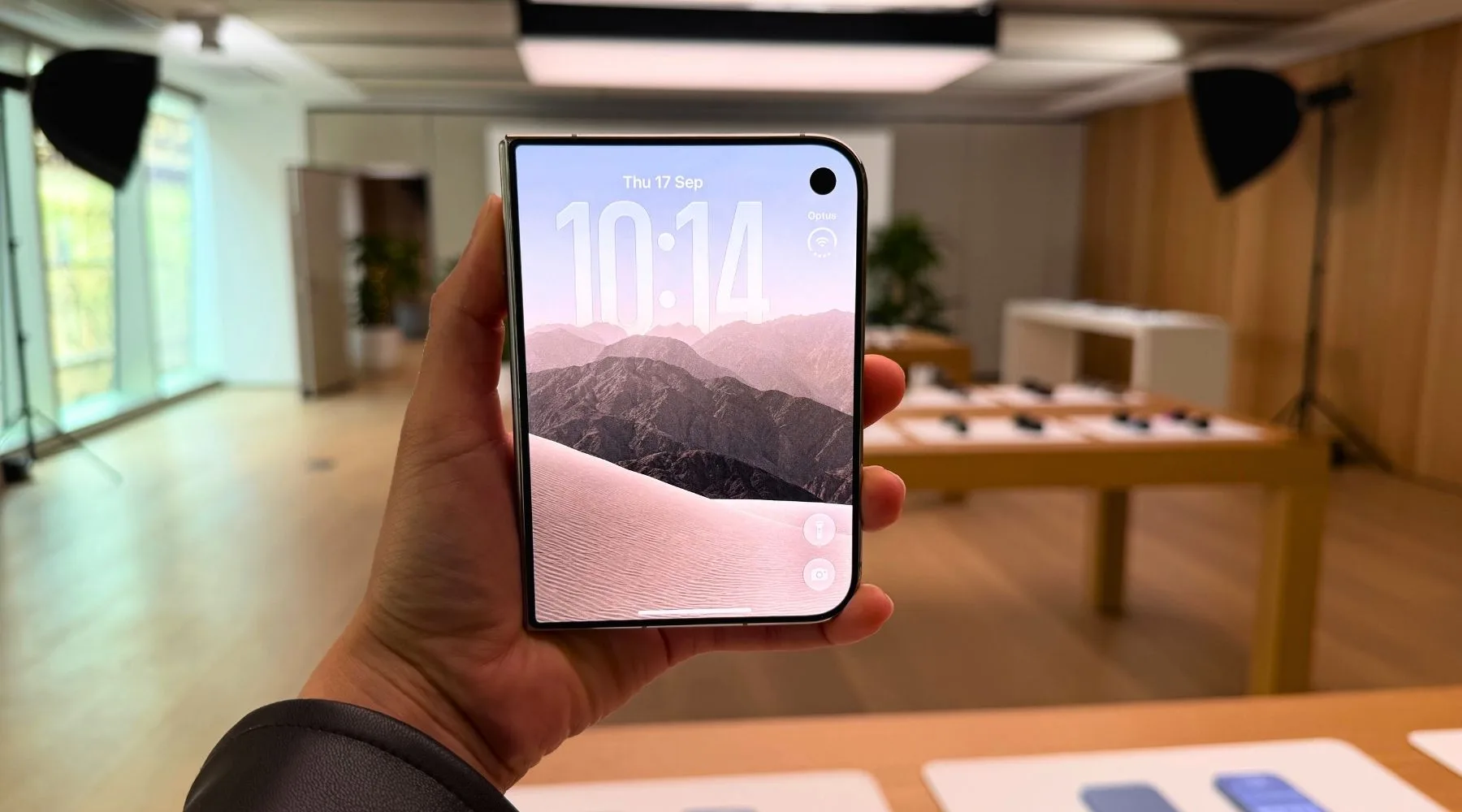
I had 30 minutes with Apple's iPhone Duo. It's changed my mind about foldables all over again.
Apple's first foldable has turned up years late to the party, costs a hideous amount of money, and still somehow talked me out of almost every reservation I walked in with.
Now, let me preface this by saying this isn't a full-blown review. It's my first impression of the iPhone Duo after spending 30 minutes with it.
I've spent enough time around foldables to know it takes a few iterations to get things right.
From bulky, awkward software to a crease you can't unsee and hinges that just don't feel quite there yet, there's usually something that needs a little more work.
So I went into this expecting to be half-impressed. Instead, I came out annoyed, because Apple's actually nailed a fair bit, even if the price is more than my month's rent.
It starts at $3,499, making it the most expensive phone on the Australian market right now.
Despite the weight, it feels good to hold
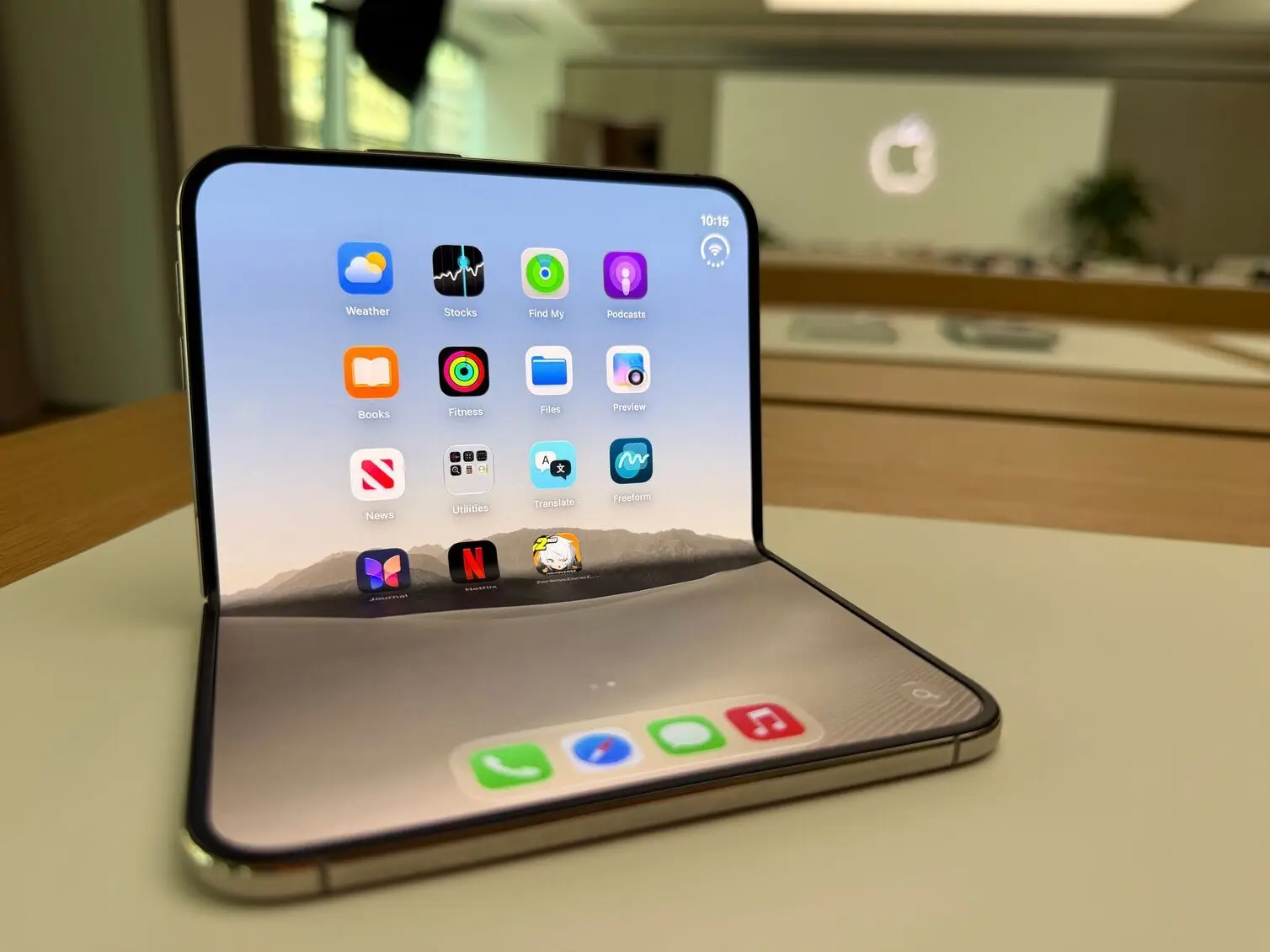
The iPhone Duo has a titanium frame, Ceramic Shield on the outside and measures 11.3mm thick when folded, opening out to just 5.2mm.
It's heavier than Samsung's Galaxy Z Fold 8 (254g versus 201g), but it doesn't feel unbalanced in the hand, closed or open. And I do quite like the rounded corners.
The crease was barely noticeable. Apple's used a nano-texture matte finish on the inner display, which helps cut down glare and makes the fold line slightly harder to spot and feel.
That said, you never really know how the crease will look once you're using it day to day.
The software is what actually sold me
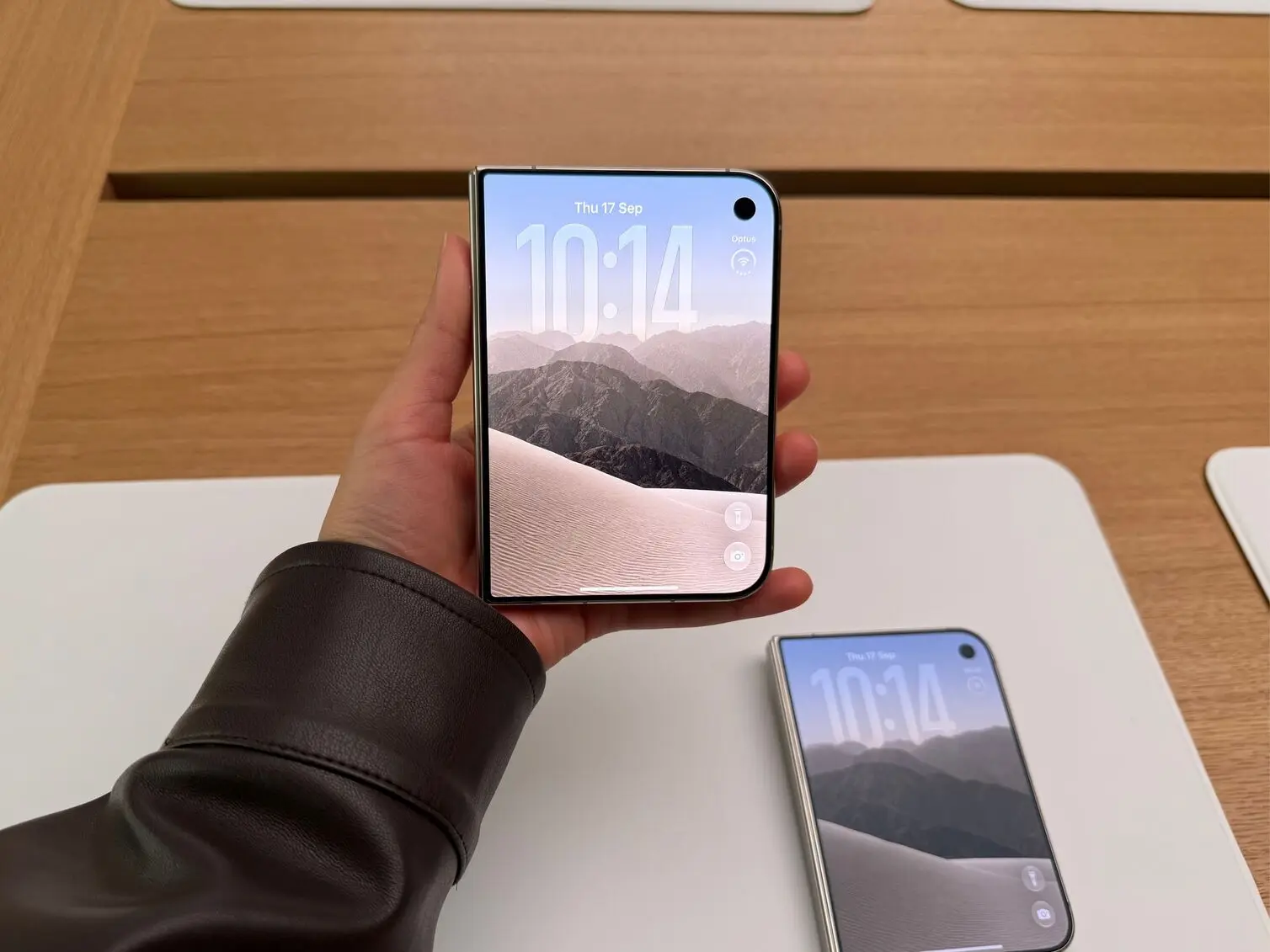
This is where Apple's come in particularly strong. I thought the Galaxy Z Fold 8 had finally sold me on foldables this year, but the Duo takes it a step further.
The transition of content between the inner and outer screens is one of the first things I noticed.
Content picks up exactly where you left it when you move from the outer screen to the bigger inner one, instead of restarting or resizing awkwardly.
Say you're watching something on Netflix on the train and open the phone up when you sit down.
It doesn't relaunch the app or throw you back to the home screen.
It just keeps playing, scaled up to fill the bigger display, right where you left off.
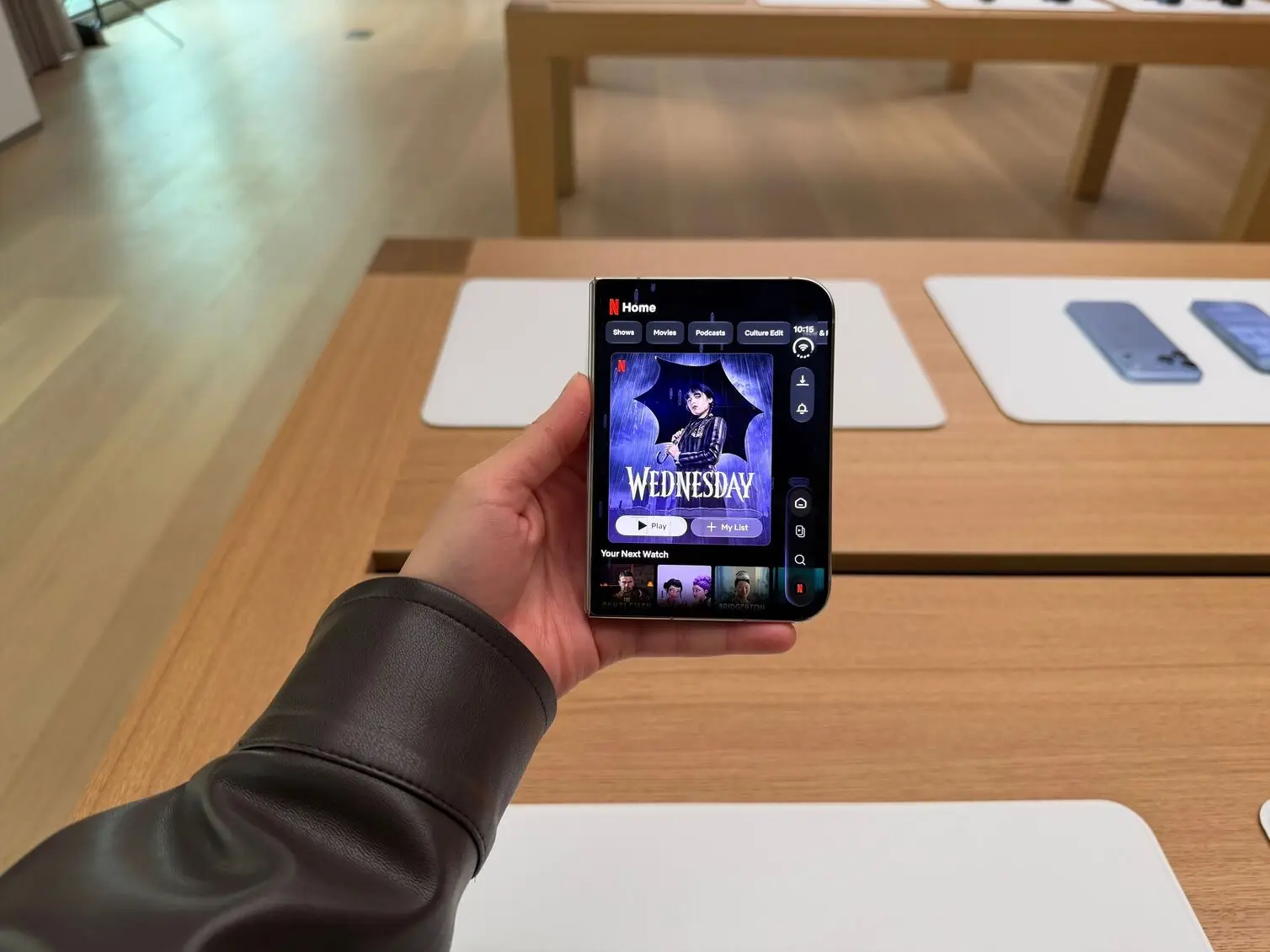
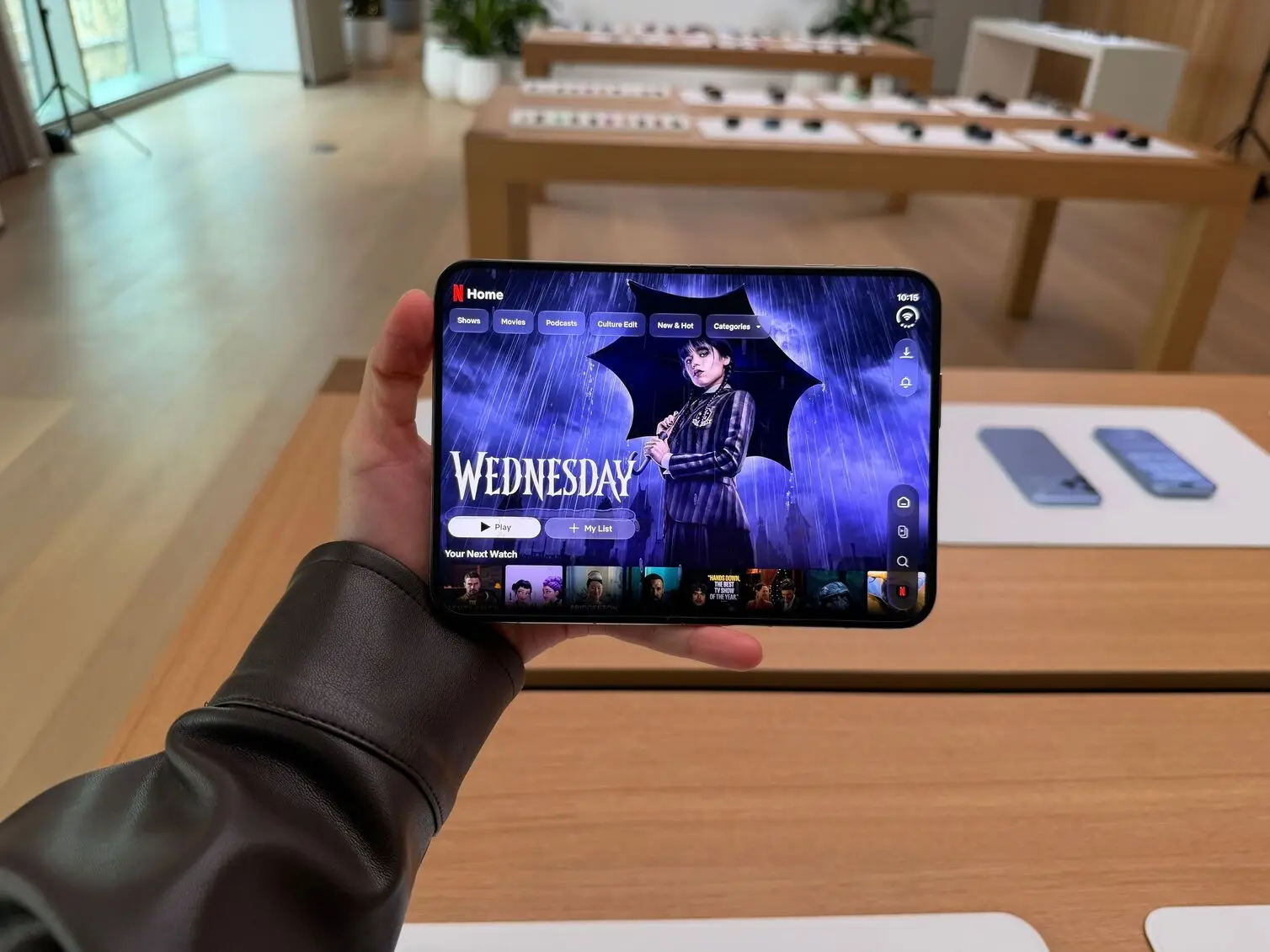
The controls shift to whichever side of the screen you're using, and running two apps side by side feels like a natural part of the fold rather than something added on later.
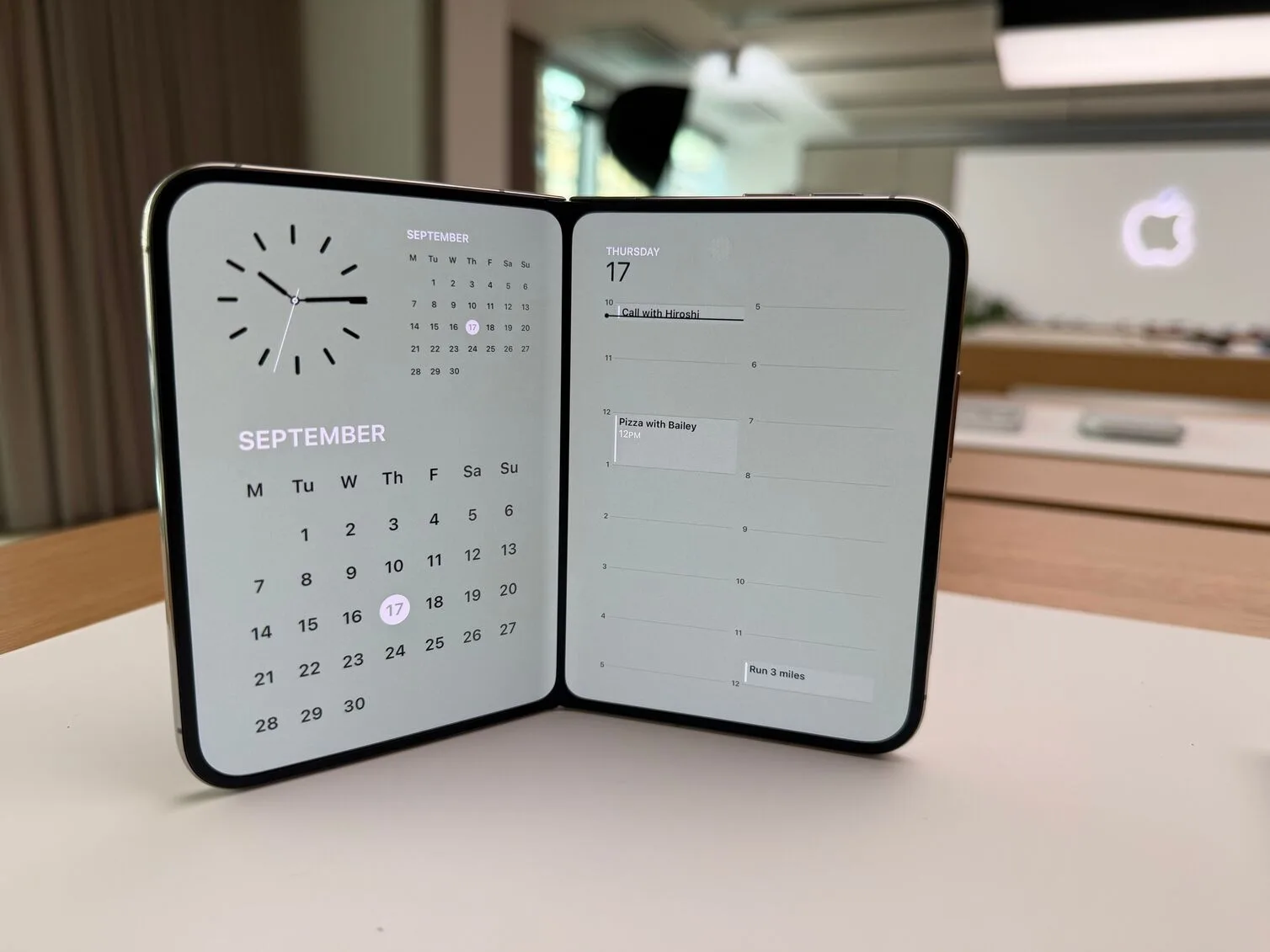
Dragging an app out of the dock opens it straight into the other half of the screen, without having to fiddle around with resize handles or work out where it's going to land.
Apple has also confirmed Zoom and Slack are optimised for the fold at launch, so at least a couple of apps you'd actually use for work are ready from day one.
For everything else, it's more of a wait-and-see while developers catch up.
Where it falls short
There's no Face ID. Apple's own reasoning is that there isn't enough depth in the fold to fit the Face ID hardware, so you're back to Touch ID on the power button.
While I didn't get to test the cameras, the setup just has the main lenses: a primary and an ultra-wide. There's no telephoto lens.
It works fine, but it's a step backwards if you've gotten used to just glancing at your phone. There's no Action Button either, which some people will genuinely miss.
The Apple Pencil situation is a bit half-baked too. The inner display supports it, but you can't actually buy one for the Duo until later in 2026, and there's nowhere on the phone to store it.
None of these is a deal-breaker, just something to keep in mind when you're investing in new tech.
Final thoughts
This isn't going to be an impulse buy given the price tag.
But the passport-sized shape could make it more appealing to people who haven't been sold on foldables, particularly if you like the idea of having a phone and small tablet in one device.
When the time comes, I'd try it in store before making a decision. And watch this space for my full review.
Ask a question