Earn in-game currency by playing, like Axie Infinity players earning 75-300 SLP daily.
Generate passive income through staking tokens, potentially yielding 10-20% annually, or renting out NFTs.
Trading NFTs or virtual real estate requires deep market research to identify valuable assets.
Back in the day, your parents may have told you to "stop playing that game and get a real job." Now you can tell them that video games have evolved, thanks to blockchain technology.
Gamers can have true ownership over their in-game assets, earn rewards with real value, and blockchain marketplaces allow for the buying and selling of unique assets and more.
Disclaimer: This information should not be interpreted as an endorsement of cryptocurrency or any specific
provider, service or offering. It is not a recommendation to trade.
There are many ways to try to make money with play-to-earn games with nonfungible tokens (NFTs). However, there's no way to guarantee that you'll earn with blockchain gaming, how much you earn can depend on the value of the in-game currency and the NFTs, the time you have to grind and the methods you use.
What is an NFT?
Nonfungible tokens, or NFTs, are digital assets that live on a blockchain, which is a digital public ledger that allows all NFT transactions to be tracked and verified. These cryptographic assets can represent art, music, in-game items and more and include unique identifiers and metadata that make them one-of-a-kind and provide proof of ownership. Most NFTs are bought with cryptocurrency. Using smart contracts, the original creators of an NFT can earn royalties each time the NFT is sold.
10 ways to make money with NFT games
NFTs give players the power of how they use their in-game assets. From renting NFT characters out for a profit, to staking tokens, there are many ways to earn in blockchain gaming.
1. Earning the in-game currency
Most blockchain games have an in-game currency that can be swapped for other cryptocurrencies, or cashed out.
For example, the crypto game Axie Infinity uses Smooth Love Potion, or SLP. It has two main uses: it's the in-game currency and an item used to breed the characters. By playing Axie Infinity and winning battles — Axies being axolotl-type monsters — you're rewarded in SLP which can be swapped or cashed out. At the time of writing, SLP is valued at US$0.02632 according to CoinMarketCap.
Some games require active engagement, while other games are passive. Axie Infinity, CryptoBlades and Splinterlands require players to engage in battles to earn. Other games, like Bomb Crypto's Treasure Hunt mode, require the player to start the game mode where the in-game characters do all the work to clear the level.
Image source: Axie Infinity
What you need: A blockchain game of your choice and account, the required cryptocurrency and a digital wallet.
How to start: Create an account with a blockchain game and start playing to earn the in-game currency.
How much can I make: It depends on the value of the in-game currency, how often you play, and largely, how good you are — though some games aren't skill-based. In Axie Infinity, new players can earn anywhere from 75 to 300 SLP per day, depending on the mentioned factors. In Bomb Crypto, new players may earn around four to five BCOIN — the in-game currency — per run in Treasure Hunt mode.
2. Breeding
Blockchain games aren't just battling and exploring — breeding is another way to earn passive income. In blockchain gaming, breeding means minting a new token to be put in circulation in the game.
For example, the breeding and collecting game, CryptoKitties. Players can pair a male and female NFT cat and breed them to create new cats that can be sold on NFT marketplaces. The new cat takes on features from the parent cats, and its attributes are dependent on the parents and its generation, which factor into the new cat's value.
Image source: CryptoKitties
What you need: A blockchain game of your choice and an account, required cryptocurrency, a digital wallet and the required items to breed, such as two parent NFTs and a catalyst.
How to start: Create an account with the breeding blockchain game and learn how to breed top-tier, valuable in-game characters or collectibles. Each game varies in how breeding works and what makes a new NFT valuable.
How much can I make: Breeding can require a significant investment at first. For a higher chance of breeding valuable NFT collectibles, you may need to purchase valuable parent NFTs. In the case of CryptoKitties, the average CryptoKitty sells for around US$65, as reported by Investopedia. However, some are worth hundreds of thousands of dollars, and a couple have sold for over US$2 million.
3. Minting new items
There are many ways to earn by minting new items in blockchain games.
In metaverse games like Decentraland and Cryptovoxels, players can create 3D objects, wearables and other collectibles and earn royalties from secondary sales. In Cryptovoxels, players can earn up to 10% of a sale price with each subsequent sale, thanks to smart contracts built on blockchain technology.
In other games, such as CryptoBlades, players can forge new weapons and sell them on the CryptoBlades marketplace. In the upcoming massive-multiplayer online RPG (MMORPG) Ember Sword, players will be able to submit NFT collectible designs, and if selected, will be added to the game allowing artists to earn royalties on secondary sales in perpetuity.
Image source: CryptoVoxels
What you need: A blockchain game of your choice and an account, the required cryptocurrency and a digital wallet.
How to start: Create an account with the game, and create new items in the game through editing or creating tools, forging, breeding or other methods. Make sure to read the fine print and see how much you can earn through royalties, if applicable.
How much can I make: How much you earn depends on the royalty percentage when it comes to NFT creation. Typically, creators earn between 1% to 15% per secondary sale, depending on the game and marketplace.
4. Scholarships
Scholarships in blockchain games are a fancy way of saying "rent out characters for profit." In scholarship guilds, there's typically a manager and players (scholars). The manager officially owns the NFTs, and the scholars use those NFTs to play the game. The rewards are split between guild members.
There are guilds built around scholarship programs. A guild is a group of players that team up to play a game together and split earned profits. Axie Infinity has multiple guilds based in many countries.
What you need: A blockchain game of your choice and an account, the required cryptocurrency and a digital wallet.
How to start: Managers need NFT characters to rent out, and to create a guild or join an existing guild. Scholars need to locate a manager with NFTs available to be rented out.
How much can I make: Scholarship programs involve splitting the earned in-game rewards. For example, Axie guild members can earn around 50% to 70% of earned SLP, or a fixed amount.
Image source: Axie Infinity
5. Staking tokens
Staking is locking your tokens to earn rewards. Staking your tokens means you're making them available for other users to make exchanges. Tokens are locked away for a specific amount of time — called epochs — and once that period is over you earn rewards, usually from transaction fees.
Many blockchain games have staking pools, like DeFi Kingdoms, a role-playing game (RPG). Players go to the Gardens to stake tokens, such as the in-game currency JEWEL. Players stake JEWEL to earn JEWEL emissions, which refers to how quickly new tokens are released. Over time, players that stake "unlock" more rewards as they move through Epochs.
Staking is a passive earning method. When you stake, your tokens are locked and you can't use them while locked — you still own them, though. If you take your tokens out of the staking pool before an epoch is over, you miss out on rewards. And there's a chance that staking your tokens earns you less income than simply holding them in your wallet, if the value of those tokens drops while you are staking them — called impermanent loss — so it's not completely risk-free.
Image source: DeFi Kingdoms
What you need: A blockchain game of your choice and an account, and the required tokens to join the staking pool.
How to start: A blockchain game's staking pool may be called a garden, bank or just staking pool. Make sure to read the terms and conditions of the staking pool and go over the schedule.
How much can I make: In DeFi Kingdoms, each staked token in Epoch 1 gets you 5% in unblocked rewards. In each Epoch, the percentage of claimed rewards increases by 2%. Each game varies in how much you can earn by staking. Overall, you could earn around 10% to 20% of your staked tokens per year, depending on the game and token's value.
6. Trading NFTs
Trading NFTs refers to buying and selling them. It sounds as easy as "buy low, sell high," but this method of earning in blockchain gaming requires research, patience and possibly a decent investment up front.
NFTs in crypto games are key, so many players are willing to pay to get the items they need to progress in a game. If you get your hands on a rare and powerful Splinterlands trading card, for example, it could mean flipping it for a profit on the market.
Nearly every blockchain game has its own market featuring tradable NFT assets, including Splinterlands, Axie Infinity, CryptoBlades, Pegaxy, The Sandbox and more.
Image source: Splinterlands market
What you need: A blockchain game of your choice and an account, the required cryptocurrency and a digital wallet.
How to start: A good place to start trading NFTs is learning what makes the NFTs valuable in the blockchain game you want to trade in. From rarity level, abilities, utility, attributes and more, what makes an NFT valuable depends on the game. From there, you can start collecting, buying and selling to hopefully earn.
How much can I make: Remember that buying and selling NFTs also means gas fees, and there's no guarantee that an NFT you've purchased will appreciate. How much you earn depends on the NFT's value, the in-game currency and the game's current popularity.
Compare marketplaces to buy game NFTs
5 of 19 results
7. Tournaments and events
Some MMO games feature special events and tournaments, opening opportunities for players to earn unique rewards for participating.
The gaming platform Arc8, a mobile app with 11 different crypto games, features multiple tournaments. Players enter a tournament and pay an entry fee, and the top player earns the pot. CryptoBlades also features special events, called Boss Raids, where players can team up to fight bosses and earn special rewards.
Image source: CryptoBlades
What you need: A blockchain game of your choice and an account, the required cryptocurrency and a digital wallet.
How to start: Start by creating an account with the blockchain game of your choice, then keep an eye out for special events via newsletters, Discord servers, Reddit or on social media outlets. These events may require decent gear and some skill under your belt, so practicing before entering may be wise.
How much can I make: The rewards vary depending on the game you're playing. In tournaments, there's usually an entry fee — paid with crypto in this case — so the more players entering, the bigger the pot. In Arc8, tournament payouts can be anywhere from US$8 to US$500, depending on the day, number of players entered, the in-game currency's value and game difficulty.
8. Virtual real estate
Virtual real estate, or virtual reality parcels, are metaverse properties. There are many crypto games where players can buy, sell and build on virtual parcels. Virtual properties are NFTs, often ERC tokens.
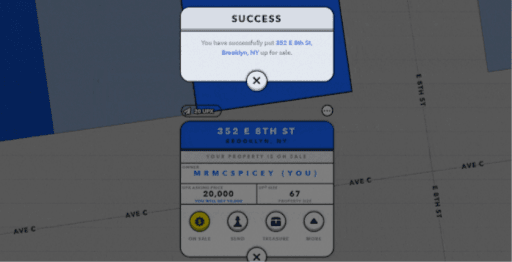
Popular metaverse games with NFT parcels include Upland, Decentraland and The Sandbox. In the real estate blockchain game Upland, the name of the game is buying and selling virtual parcels, creating 3D structures that will become functional businesses and collecting properties to earn passive income. Upland's metaverse is mapped to the real world — multiple cities including San Francisco, Detroit and New York City are up and running for players to explore, buy and build on.
In metaverse games, a virtual parcel's attributes are related to its value. For example, a property next to a parcel that's owned by a celebrity is likely to be more valuable. Or a property next to a popular venue can be highly-sought after. The size of a parcel, ownership history and features all contribute to its value.
Image source: Upland.me
What you need: A blockchain game of your choice and an account, the required cryptocurrency and a digital wallet.
How to start: Start by researching what makes a parcel valuable in the game you're playing. In Axie Infinity's metaverse, properties near roads are more valuable. In Upland, properties with high value in real life can mean a higher value in the game.
How much can I make: How much you can make in trading virtual parcels varies. Similarly to trading gaming NFTs, your profits depend on your purchase price and how much it appreciates over time. In some metaverse games, players can create play-to-earn games or attractions on parcels, charge entry fees and earn income.
9. Streaming
Popular gamer streamer platforms include Twitch and YouTube, though Twitch is more aimed at gamers specifically. Becoming a streamer can be a real career, though it's a saturated market.
Twitch streamers primarily earn income from subscriptions. The streamer sets the cost of subscriptions, and many also accept donations to keep the stream up and running. Subscribers can get access to exclusive content or other rewards. YouTubers primarily earn income from advertising, sponsorships and views, and may accept donations from subscribers.
Many blockchain gaming streamers focus on the financial side of crypto gaming, offering advice on how to earn, blockchain game walkthroughs or funny moments while playing. Some popular channels that focus on blockchain gaming include Crypto Gamers, Go Shiny Hunter and On Chain Gaming.
Image source: Getty Images
What you need: A blockchain game of your choice, a streaming setup (camera, PC, platform account, microphone, headset and soundboard), cryptocurrency and a digital wallet.
How to start: A good starting point for new crypto streamers is educating yourself on how blockchain games function, researching new crypto games and talking points for your videos. Choosing a platform is important as well, with many crypto influencers focusing on YouTube, Twitter, Discord and Twitch. Creating social media accounts for your brand, purchasing a decent setup and focusing on an audience can help you determine how to direct your content.
How much can I make: If you're completely new to streaming, it can take a long time to see profits or even land subscribers. Expert Twitch streamers can earn anywhere from US$3,000 to US$5,000 a month, according to Business of Apps, but it may take a long time to see regular income when you're just starting out.
10. Mining
This method of earning isn't for everyone, but worth mentioning.
You may have heard of Bitcoin mining. Mining a coin is when hardware "mines" new coins to be put in circulation. In blockchain gaming, the mining phase typically begins at the immediate release of a new game. Miners start the process of adding the new game's currency into circulation so that it can be used for the game. Mining in crypto refers to hardware solving complicated math problems to create the next block. It's a costly, time-consuming process.
Keep in mind that mining coins puts a lot of stress on your graphics processing unit (GPU). This earning tactic is generally reserved for users with well-equipped computers that can handle the complicated process of mining coins, and for people with the funds to afford a mining setup.
Check out our comprehensive guide on coin mining for more information.
Image source: Getty Images
What you need: A powerful PC, crypto wallet and mining hardware or rigs and possibly a mining pool if you plan on being an individual miner.
How to start: Factor in the cost of your hardware, computer, electricity cost, rig cost and mining software. Once you're all set up and have the mining software installed, you can start mining.
How much can I make: How much a miner earns depends on how much they put in this setup at the get-go, if they didn't already have it — a professional mining rig can run as much as US$15,000. Mined coins are taxable, the coin's value isn't guaranteed after you've mined it and rewards from entering a mining pool can vary. However, mined coins can be sold or placed in pools to earn passive income.
Crypto gaming considerations
Crypto gaming can be a risky investment. There's no way to guarantee that you'll come out on top, but luckily, blockchain gaming can offer the satisfaction of having fun if you pick a game you're interested in.
There are many blockchain game genres to choose from, including:
Battle royales
Breeding and collecting games
Collectible card games (CCGs)
Farming simulators
Monster-battling games
Role-playing games (RPGs)
Real estate mogul simulators
Trading-card games (TCGs)
Some of the most popular crypto games are monster-battling games and trading-card games, but you're not required to jump into that genre if that's not your cup of tea — there are many games to look through before investing your time and crypto.
Bottom line
Getting into blockchain gaming can be time consuming, but so is regular gaming. The benefit with many crypto games is that they're free to play, meaning there's no initial investment required. Some games, though, do require buying NFTs to start, like CryptoBlades and CryptoKitties.
Take into consideration how much time you'll need to plan and the tactic you want to use to earn. We don't recommend putting in more than you can afford to lose.
Check out our comprehensive list of crypto games to see which one fits your play-to-earn style.
Sources
Disclaimer: Cryptocurrencies are speculative, complex and involve significant risks – they are highly
volatile and sensitive to secondary activity. Performance is unpredictable and past performance is no guarantee of
future performance. Consider your own circumstances, and obtain your own advice, before relying on this information.
You should also verify the nature of any product or service (including its legal status and relevant regulatory
requirements) and consult the relevant Regulators' websites before making any decision. Finder, or the author, may
have holdings in the cryptocurrencies discussed.
Bethany Hickey is a writer for Finder, specialising in car and life insurance. She has ontributed to multiple automotive sites including CarsDirect, Auto Credit Express, Drivers Lane, and The Car Connection. She has a Bachelor of Arts in English from the University of Michigan-Flint, and has always been fascinated by digital content’s impact on current writing practices. When Bethany isn’t writing, she’s either crocheting or playing cozy games on her Switch.
See full bio
Creating an NFT is easier than you might think. Here are 5 steps to make an NFT, and other details you should know.
Important information about this website
Finder is a comparison service. We do not compare every product or every provider in the market.
We make money through commercial arrangements with some of the providers on this site. Products marked 'Sponsored', 'Promoted', 'Featured' or 'Advertisement' appear as a result of a commercial arrangement.
Our editorial content, product reviews and any 'Top Pick' designations are prepared independently of these commercial arrangements.
The default order of products in our tables can be influenced by commercial arrangements. You can re-sort or filter using the controls above each table.
Some content on this site may be generated or supported by AI tools. You should verify details directly with the provider.
Finder is one of Australia's leading comparison websites. We are committed to our readers and stand by our editorial principles.
Our comparison service does not include every product or every provider in the market. Some product issuers offer their products under multiple brands or through associated companies. Where we can, we identify the underlying issuer so you can compare like with like, but you should always check with the provider directly to confirm which brand you are dealing with.
Finder is a comparison website and an intermediary. We are not a product issuer and we do not provide personal financial or credit advice. When you click a link to a product, or apply for a product through our site, you deal directly with the product issuer. We may receive a referral fee, commission or other payment from the issuer if you click through, apply or take out a product. We describe these arrangements in more detail under 'How we make money' below.
Product features, fees, terms and eligibility criteria are set by the product issuer and may change. We rely on information supplied by issuers when we present product details on our site. Before you apply for or take out any product, you should confirm the details directly with the issuer.
We earn revenue from Finder in four principal ways:
Referral fees and commissions. When you click a product link, complete an enquiry form or apply for a product through our site, we may receive a referral fee, commission or other payment from the product issuer. We may also receive payment based on the volume of leads or conversions we send to an issuer.
Sponsored placements. Products marked 'Sponsored', 'Promoted', 'Featured' or 'Advertisement' appear as a result of a commercial arrangement between Finder and the issuer. These labels always indicate a paid placement. We do not use them for editorial choices.
Display advertising. Banner advertising, newsletter advertising and similar display ads on our site are paid by advertisers.
Content sponsorship. Some articles, videos and social media posts are sponsored by an issuer and are clearly labelled as such.
Our editorial opinions, product reviews and any 'Top Pick' designations are prepared independently of these commercial arrangements. A 'Top Pick' is an editorial choice made by our writers and editors based on the criteria described on each comparison page. A 'Top Pick' is not a personal recommendation and does not mean the product is appropriate for your circumstances.
If you would like to know whether we have a commercial arrangement with a specific product issuer, please contact us.
When products are grouped in a table or list, the default order can be influenced by commercial arrangements we have with product issuers. In some categories, sponsored or featured products appear in the top positions of the table by default, and are always labelled as such.
Other factors that influence default order include price, fees and features, and (where relevant) our editorial view of the product.
You can re-sort every comparison table using the controls above the table. You can filter by product features that matter to you. The order you see after re-sorting or filtering is not influenced by commercial arrangements.
Some content on this site is generated or supported by artificial intelligence tools, including our AI-powered assistant FinderBot. AI-generated content may contain errors. Please verify important information directly with the product issuer before making a financial decision. For more information about FinderBot, see the FinderBot Terms of Use and FinderBot Privacy Collection Notice.
Please read our website terms of use and privacy policy for more information about our services and our approach to privacy.
We update our data regularly, but information can change between updates. Confirm details with the provider you're interested in before making a decision.
Our goal is to create the best possible product, and your thoughts, ideas and suggestions play a major role in helping us identify opportunities to improve.

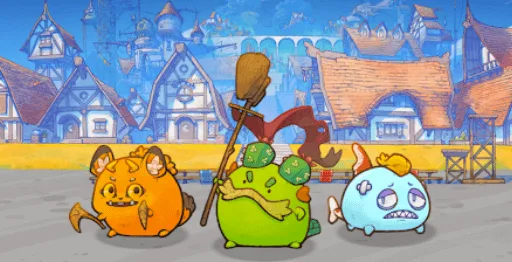
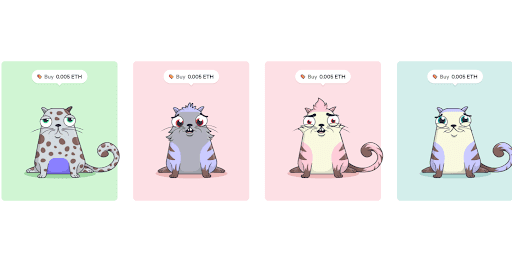
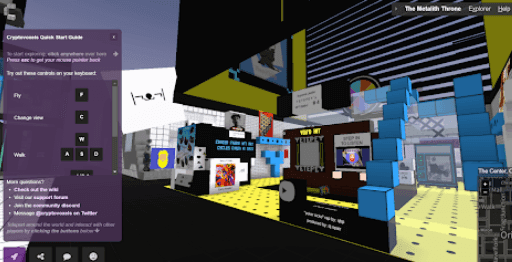
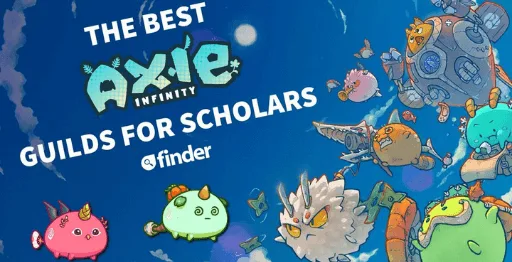
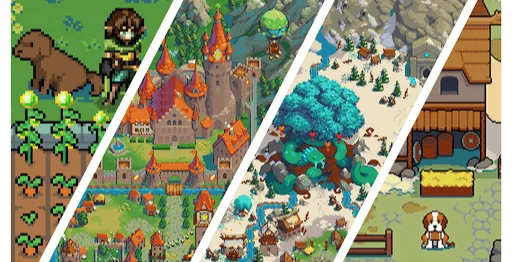
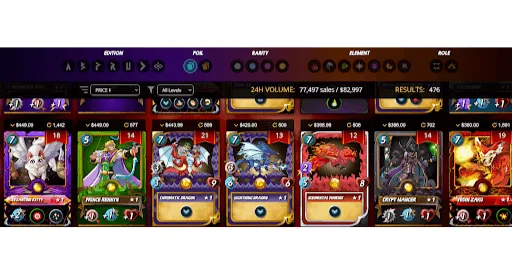
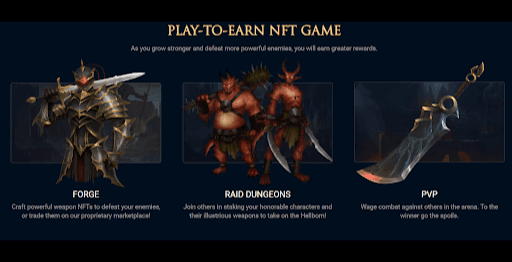 Image source: CryptoBlades